The Ministry of Tourism and Wildlife has announced a policy granting free entry to all Kenyan national parks and reserves for a single day in 2026.
This directive, announced by Cabinet Secretary Rebecca Miano, forms a component of the annual National Tourism Week celebrations.
The initiative aims to promote domestic tourism and increase citizen participation in the country's conservation efforts.
Policy Coverage for Free Park Entry
This directive applies to all properties managed by the Kenya Wildlife Service (KWS).
These properties include national parks, national reserves, and marine parks.
The policy aims to remove the financial barrier of entry fees, encouraging Kenyan citizens to experience the nation's diverse ecosystems and wildlife populations directly.
Key Dates and Validity
The free entry policy is valid for one day only: Saturday, 28 September 2026.
This date coincides with World Tourism Day celebrations.
The wider National Tourism Week runs from 22 September to 29 September 2026, but the fee waiver applies strictly to the 24-hour period of 28 September.
| Day | Date | Free Entry Status |
|---|---|---|
| Sunday | 22 September 2026 | Standard Fees Apply |
| Monday | 23 September 2026 | Standard Fees Apply |
| Tuesday | 24 September 2026 | Standard Fees Apply |
| Wednesday | 25 September 2026 | Standard Fees Apply |
| Thursday | 26 September 2026 | Standard Fees Apply |
| Friday | 27 September 2026 | Standard Fees Apply |
| Saturday | 28 September 2026 | Free Entry Confirmed |
| Sunday | 29 September 2026 | Standard Fees Apply |
Specific Parks Included and Excluded
The free entry directive covers all major national parks, including Maasai Mara, Amboseli, Nairobi, Tsavo East, Tsavo West, Lake Nakuru, and Aberdare.
It also includes Samburu National Reserve.
All KWS-managed parks and reserves are part of this one-day initiative.
Privately-owned conservancies and sanctuaries operate outside this government policy and will charge their standard entry fees.
Beneficiaries of the Free Park Entry Policy 2026
Kenyan Citizens and Residents
Kenyan citizens and legal residents are the primary beneficiaries.
To gain free entry, individuals must present valid identification at the park gate.
Accepted documents include a National ID card, a valid passport, or a birth certificate for minors.
Resident permit holders are also covered by this policy.
International Visitor Implications
International visitors and non-resident tourists are not eligible for this initiative.
All foreign nationals will pay the standard 2026 KWS Premium Park Rates.
These fees serve as a critical revenue source for conservation activities managed by the Kenya Wildlife Service.
Special Exemptions and Conditions
The entry fee is waived, but all other park regulations and fees remain in effect.
This includes vehicle entry fees, camping fees, guide fees, and any charges for special activities.
Visitors must adhere to all park rules, including staying on designated tracks and respecting wildlife viewing distances.
Planning Your Visit to Kenya's National Parks on Free Entry Day 2026
Optimising Your Visit Time
On 28 September, park gates typically open at 06:00 and close at 18:00.
To optimise wildlife viewing opportunities, an early morning entry (06:00-09:00) or a late afternoon visit (15:00-18:00) is recommended.
These periods offer increased animal activity as temperatures are cooler.
Essential Packing Tips
Visitors should prepare for a full day in the park.
Essential items include sufficient drinking water, packed meals or snacks, binoculars for wildlife viewing, a camera, and sun protection like a hat or sunscreen.
Wearing neutral-coloured clothing (khaki, green, brown) is advised to minimise disturbance to wildlife.
Responsible Tourism Practices
Adherence to responsible tourism is mandatory.
This includes a strict no-littering policy (carry-in, carry-out), maintaining silence near animals, and never feeding wildlife.
Cabinet Secretary Miano stated, "Protecting our parks and wildlife is a shared responsibility," encouraging visitors to maintain environmental responsibility.
Featured National Parks for Free Entry Day 2026
Maasai Mara National Reserve Key Features
The Maasai Mara is a 1,510 square-kilometre reserve located in Narok County.
It is known for its high density of predators and the Great Wildebeest Migration.
September represents a peak period for this event.
- Wildebeest Migration Crossings: Visitors may witness herds of wildebeest and zebra crossing the Mara River, a significant event in their annual cycle.
- Well-known Lion Prides: The reserve is home to well-known lion prides, including the Marsh Pride, which offers reliable lion sightings.
- Sekenani Gate Road Upgrades: Access to the Maasai Mara has improved significantly. The main road to the Sekenani Gate is now tarmac, providing a smooth and accessible journey from Nairobi.
Amboseli National Park Features
Amboseli National Park, covering 392 square-kilometres, is located in Kajiado County.
It is known for its large elephant population and distinctive landscapes.
- Mount Kilimanjaro Views: The park offers clear, unobstructed views of Mount Kilimanjaro's 5,895-metre peak, particularly in the early morning.
- Marshlands and Swamps Ecosystems: The park's unique ecosystem is fed by underground water from Kilimanjaro's ice caps. This creates permanent swamps that attract vast herds of elephants and diverse birdlife.
Samburu Buffalo Springs and Shaba National Reserves
These adjoining reserves in Samburu County protect a semi-arid ecosystem.
This ecosystem features distinct fauna not typically found in southern parks.
- Unique Northern Species: The area is known for the "Samburu Special Five": the Grevy's zebra, reticulated giraffe, Beisa oryx, Somali ostrich, and gerenuk.
- Ewaso Ng'iro River Lifeline: The Ewaso Ng'iro River provides the permanent water source that supports all life in the reserves, attracting concentrated wildlife along its banks.
Tsavo East and West National Parks
Combined, Tsavo East and Tsavo West National Parks form one of Kenya's largest protected areas.
They cover nearly 22,000 square kilometres.
- Mzima Springs Geological Feature: Located in Tsavo West, Mzima Springs consists of four natural springs. These springs produce 190 million litres of fresh water daily and include an underwater viewing hide for observing hippos and crocodiles.
- Volcanic Landscapes and Lava Flows: The parks feature the Yatta Plateau, the world's longest lava flow, and the Shetani Lava Flow, offering a stark volcanic landscape.
Lake Nakuru National Park Features
This 188 square-kilometre park hosts an alkaline lake ecosystem.
It is known for its avian populations and significant conservation role.
- Alkaline Lake Ecosystem: The soda lake provides a habitat for vast flocks of flamingos and over 450 other bird species.
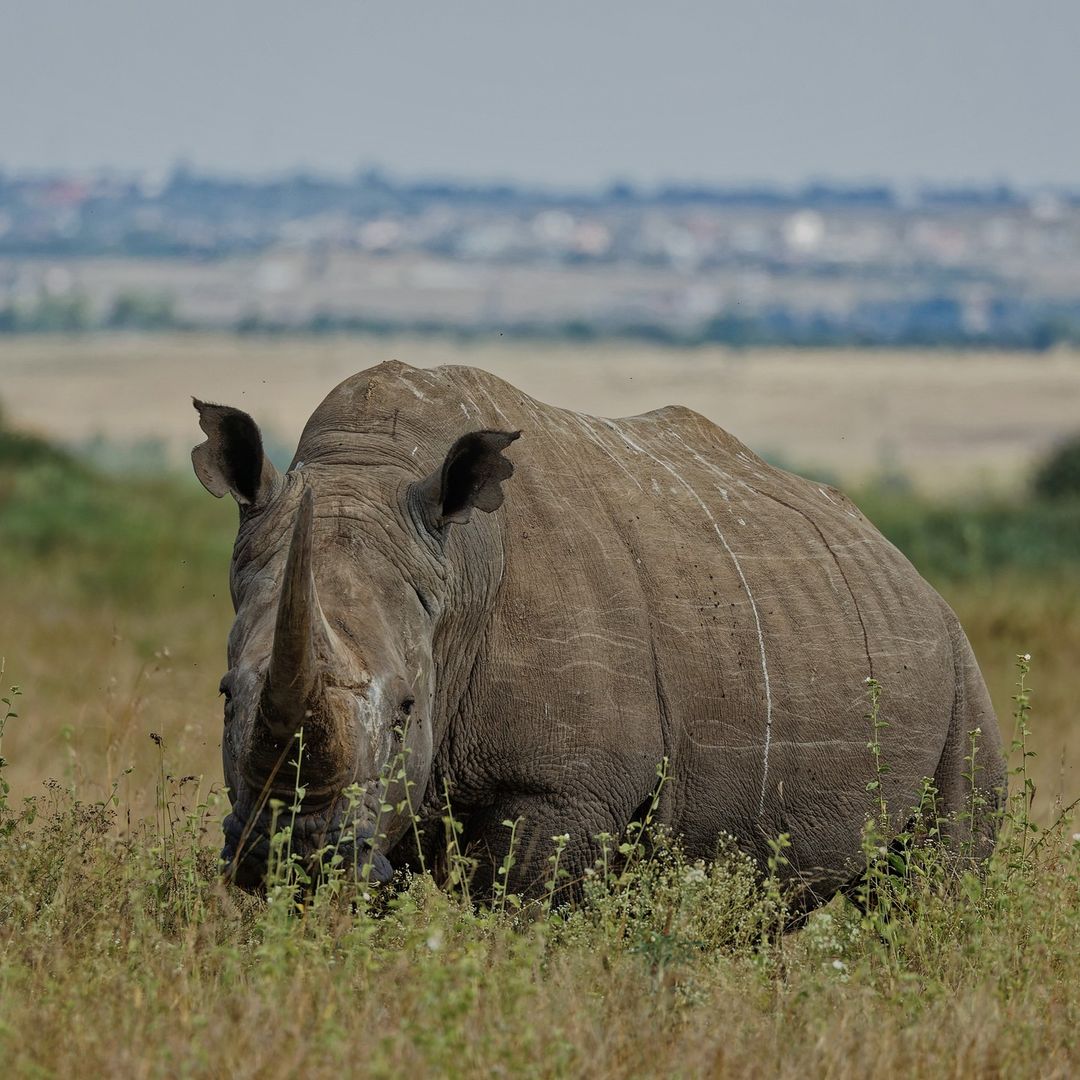
- Rhino Sanctuary Efforts: Lake Nakuru serves as a designated rhino sanctuary, hosting one of Kenya's highest concentrations of black and white rhinos.
Aberdare National Park Features
Aberdare National Park covers 766 square kilometres of the Aberdare Mountain Range.
It is characterised by high-altitude, dense forests.
- Unique Montane Ecosystems: The park features rare ecosystems. These include montane rainforests, bamboo forests, and alpine moorlands, providing a habitat for elusive species such as the bongo antelope and giant forest hog.
Logistics and Getting There for Your Kenya Park Visit
International Entry Requirements Electronic Travel Authorisation (eTA)
International visitors planning travel to Kenya must obtain an Electronic Travel Authorisation (eTA) prior to departure.
The previous visa system has been replaced.
Applications are made online; it is recommended to apply at least 72 hours before travel to allow for processing.
Domestic Travel Options Road and Air
Most major parks, including Nairobi, Amboseli, and Lake Nakuru, are accessible by road from Nairobi.
These routes use a network of tarmac and well-maintained gravel roads.
For destinations such as the Maasai Mara and Samburu, scheduled domestic flights operate from Wilson Airport in Nairobi to various park airstrips, offering a faster alternative.
Park Accessibility and Infrastructure Developments
Ongoing infrastructure projects have improved access to key tourism circuits.
The completed tarmac road to Maasai Mara's Sekenani Gate serves as a primary example.
KWS and county governments continue to upgrade access roads to other parks to improve the visitor experience and reduce travel times.
Understanding 2026 KWS Premium Park Rates
Standard Entry Fees for International Tourists
For international tourists, the 2026 KWS Premium Park Rates will apply on 28 September and throughout the year.
These fees are tiered based on the park's status (Premium, Wilderness, Urban) and the season (High, Low).
| Park Category | Example Park | High Season Fee (USD) | Low Season Fee (USD) |
|---|---|---|---|
| Premium | Amboseli, Lake Nakuru | $100 | $80 |
| Wilderness | Tsavo East & West | $75 | $60 |
| Urban | Nairobi National Park | $100 | $80 |
Resident and Citizen Rates
On all other days of the year, Kenyan citizens and residents pay subsidised entry fees.
These rates are significantly lower than those for international visitors and are payable in Kenya Shillings (KES).
Future Policy Outlook
The free entry day is a recurring annual event tied to National Tourism Week.
The Ministry of Tourism and Wildlife reviews its policies periodically.
However, the commitment to fostering domestic tourism through such initiatives remains a stated priority in national development agendas.
Important Guidelines for Your Kenyan Safari
Safety and Health Precautions
All visitors must remain in their vehicles at all times, except in designated picnic or walking areas.
Adherence to park speed limits is mandatory for the safety of both wildlife and visitors.
It is advisable to carry a basic first-aid kit and any personal medication required.
Sustainable Tourism Practices
Support conservation by practising sustainable tourism.
This includes purchasing locally made crafts, staying at eco-certified lodges, and minimising water and power consumption.
Off-road driving is strictly prohibited as it damages fragile ecosystems and disturbs wildlife.
Cultural Etiquette
When visiting areas adjacent to parks, particularly communities such as the Maasai or Samburu, showing cultural respect is important.
Always ask for permission before taking photographs of people or their homesteads.
Engaging with local community guides provides authentic cultural insights and supports the local economy.