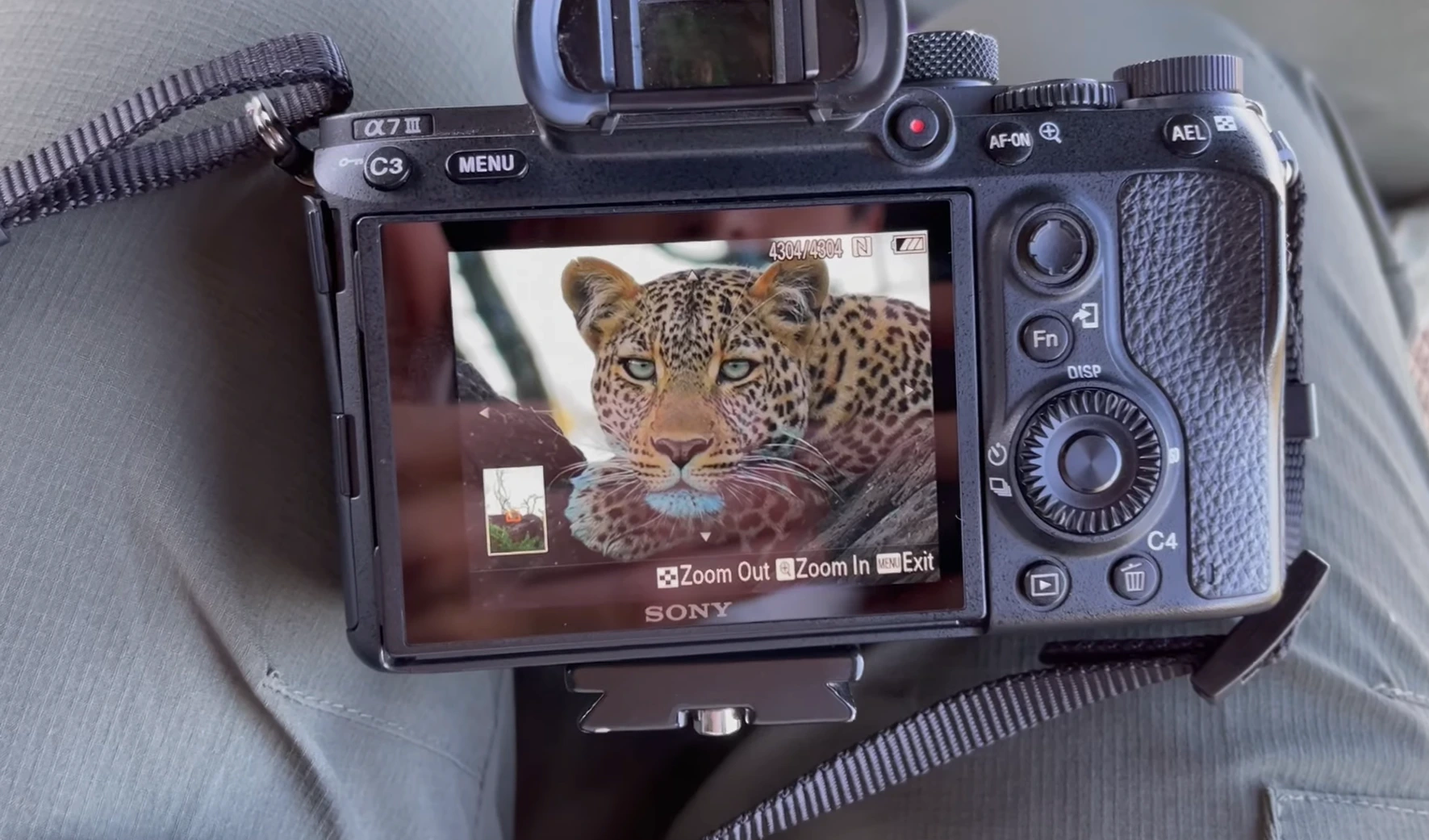
Planning an African safari requires precise logistics. You will immerse yourself in ecosystems where wildlife behaviour, weather patterns, and ground conditions dictate the daily schedule.
This guide provides a factual framework for preparation. It covers documentation, health, packing, and operational conduct. This information ensures a safe and successful expedition.
Establishing Expectations for an African Safari
A safari operates on the rhythm of the natural world. It does not follow a fixed itinerary of sightings. Wildlife sightings are not guaranteed or scheduled.
Certain days will yield high-volume sightings of predator-prey interactions. Other days will feature landscape observation and tracking. Patience and a managed expectation level are critical.
The primary objective is observing animals in their natural habitat. This requires adapting to their schedule. Expect early morning departures and periods of waiting.
Essential Documentation and Entry Requirements for Safari
Electronic Travel Authorisation (eTA) Entry Requirements
Many African safari destinations, including Kenya, have replaced traditional visa systems. They now use an Electronic Travel Authorisation (eTA).
This eTA is a mandatory digital prerequisite for all eligible foreign nationals. You must apply for the eTA online prior to departure. A recommended processing window of at least 72 hours applies.
Airlines will verify a valid eTA status before boarding. Failure to secure an eTA will result in denied entry.
Essential Travel Documentation for an African Safari
Organise and carry the following documents. Digital copies stored securely online provide a necessary backup:
- Passport: Your passport must have at least six months of validity from your date of entry and a minimum of two blank pages.
- Electronic Travel Authorisation (eTA): Bring a printed or digital copy of your approved eTA.
- Flight Itinerary: Carry confirmed return or onward travel tickets.
- Accommodation Bookings: Present confirmation of your first few nights' accommodation or your full safari itinerary.
- Vaccination Certificates: Many countries require a Yellow Fever vaccination certificate for entry. This applies if you arrive from a region with transmission risk.
Park Fees and Budgeting for 2026 Safaris
Understanding Safari Park Entry Fees and Conservation Levies
National park and reserve entry fees constitute a significant portion of a safari budget. These fees are conservation levies.
They directly fund anti-poaching units, wildlife research, and habitat maintenance. Fees typically apply per person, per 24-hour period.
Rates vary based on the park's status, the season, and the visitor's residency status (citizen, resident, or non-resident).
Potential Premium Park Rates for 2026
Park authorities periodically adjust fees. For planning purposes, anticipate rates to align with figures such as the 2026 Kenya Wildlife Service (KWS) Premium Park rates.
These premium parks, such as Amboseli and Lake Nakuru, command higher fees. This is due to their dense wildlife populations and ecological significance. Below is a sample fee structure for budget estimation.
| Park Category | Example Park | High Season (Jul-Mar) | Low Season (Apr-Jun) |
|---|---|---|---|
| Premium | Amboseli National Park | USD 100 | USD 80 |
| Wilderness | Tsavo East/West | USD 75 | USD 60 |
| Marine | Kisite Mpunguti MPA | USD 20 | USD 15 |
Safari Destinations and Ecosystems
Safari Regions: East Africa Compared to Southern Africa
Safari destinations broadly categorise into two regions. Each offers distinct experiences.
East Africa, including Kenya and Tanzania, features vast, open grasslands like the Serengeti and Maasai Mara. These landscapes facilitate high-visibility game viewing and provide opportunities to witness the Great Wildebeest Migration.
Southern Africa, including Botswana, South Africa, and Zambia, offers varied topographies. These include the Okavango Delta wetlands and the dense bush of Kruger National Park. These environments support activities like boat and walking safaris.
Iconic Safari Destinations: Maasai Mara, Serengeti, and Kruger
Certain parks are cornerstones of the African safari circuit. The Maasai Mara National Reserve in Kenya and the Serengeti National Park in Tanzania form a single contiguous ecosystem.
This ecosystem is famed for its high density of lions and the annual migration. Kruger National Park in South Africa is one of the continent's largest and oldest reserves.
It is known for its reliable 'Big Five' sightings and well-developed infrastructure.
Diverse Safari Ecosystems: Woodlands, Floodplains, and Riverine Areas
The type of ecosystem dictates the wildlife you will see. Acacia woodlands support browsers like giraffe and elephant.
Seasonal floodplains, such as those in Botswana's Okavango Delta, attract large herds of water-dependent species and prolific birdlife.
Riverine forests along waterways like the Mara or Luangwa rivers provide critical habitats for leopards, hippos, and crocodiles.
Safari Activities and Experiences
Beyond Game Drives: Walking and Boat Safaris
The 4x4 game drive is the primary mode of wildlife viewing. Other activities provide a different perspective.
Walking safaris, particularly prevalent in Zambia and Zimbabwe, offer a ground-level, sensory experience in the bush. You will focus on tracking, botany, and smaller creatures.
Boat safaris on rivers and lakes provide close encounters with hippos, crocodiles, elephants, and water birds. They offer this experience without vehicle intrusion.
Hot Air Balloon Safaris and Cultural Village Visits
A hot air balloon safari, famously offered over the Maasai Mara or Serengeti, provides an aerial perspective of the plains at sunrise. This experience concludes with a champagne breakfast.
Conduct cultural visits to local communities, such as a Maasai village, through ethical operators. This ensures authentic interaction and directs economic benefits to the community.
Understanding African Wildlife
The Big Five, Little Five, and Ugly Five Explained
The term 'Big Five' refers to the Lion, Leopard, Elephant, Rhino, and Cape Buffalo. This term originated from big-game hunters, denoting the five most difficult and dangerous animals to hunt on foot.
Today, it serves as a key checklist for photographic safaris. Complementary groupings include the 'Little Five' (antlion, leopard tortoise, elephant shrew, rhino beetle, buffalo weaver) and the 'Ugly Five' (wildebeest, warthog, marabou stork, vulture, hyena).
These categories encourage appreciation for the wider ecosystem.
Observing Animal Migration Patterns
The Great Wildebeest Migration involves the continuous, year-long movement of over 1.5 million wildebeest and 200,000 zebra. They traverse the Serengeti-Mara ecosystem in search of fresh grazing.
Its location is predictable on a seasonal basis. This makes it a major driver for safari timing and logistics. Plan a safari around this event with well-in-advance bookings.
Health and Safety Protocols for Safari
Essential Vaccinations and Malaria Prophylaxis
Consult a travel medicine specialist four to six weeks before departure. Vaccinations for Tetanus, Diphtheria, and Hepatitis A/B are standard recommendations for travel.
A Yellow Fever certificate is a legal requirement for entry into certain countries. Most key safari areas are in malaria zones.
Adhere to a prescribed malaria prophylaxis regimen, such as Malarone or Doxycycline. This is required before, during, and after your trip.
Insect Repellent, Sun Protection, and First-Aid Kit
Pack an insect repellent containing DEET. This protects against mosquitoes carrying malaria and tsetse flies. The equatorial sun is intense.
Use a high-SPF sunscreen (SPF 30+), a wide-brimmed hat, and sunglasses. Carry a personal first-aid kit. Include antiseptic wipes, plasters, pain relievers, antihistamines, and any personal prescription medications.
Wildlife Safety: Guide Instructions and Respect for Animals
Wild animals are habituated to vehicles. They are not habituated to humans. Animals view the safari vehicle as a single, non-threatening entity.
To maintain this perception, follow specific rules without exception:
- Remain Seated: Do not stand up, lean out, or make sudden movements. Such actions alter the vehicle's silhouette and can startle wildlife.
- Maintain Low Voices: Noise can scare animals away or agitate them. Communicate in a quiet, conversational tone.
- Avoid Flash Photography: Artificial light can disturb or temporarily blind animals, particularly nocturnal species.
- Do Not Exit the Vehicle: Exiting the vehicle is forbidden. This applies except in designated, guide-approved safe areas. Predators can be camouflaged and cover ground with extreme speed.
Your guide is a trained professional responsible for your safety. Their instructions are final and require immediate adherence.
Packing Essentials for Safari
Layered Clothing for Safari Comfort
Temperature fluctuation characterises safari environments. Early morning game drives can be cold, often below 15°C. Midday temperatures can exceed 30°C.
Layering provides the only effective clothing strategy. Start with a t-shirt. Add a long-sleeved shirt, then a fleece or light jacket. Remove layers as the day warms.
Neutral, earth-toned colours (khaki, green, brown) are standard. They blend with the environment and do not attract insects like bright or dark colours.
Essential Gear: Binoculars, Camera Specifications, and Power Banks
Binoculars are an essential item. A pair of 8x42 or 10x42 binoculars provides the standard for effective wildlife spotting.
For photography, a camera with a telephoto lens (minimum 200mm, ideally 300mm+) captures distant subjects effectively. Pack extra batteries and memory cards.
Electricity in camps can be limited to specific hours. A portable power bank is critical for charging devices.
Navigating Safari Terrain: Dust, Dirt, and Roads
Safari travel involves extensive driving on unpaved tracks, creating a dusty environment. This generates considerable dust in the dry season.
A scarf or buff effectively covers your nose and mouth. Protect camera equipment in a dustproof bag.
Major access routes to key reserves like the Maasai Mara via Sekenani Gate now feature tarmac. The internal road network, however, remains rugged.
Vehicle breakdowns or delays due to mud in the wet season are operational realities. They form part of the safari experience.
Money, Tipping, and Connectivity
Currency, Payment Methods, and Tipping Etiquette
The US Dollar receives wide acceptance for tourism-related payments. This includes park fees and tips. Carry a mix of cash, including small denominations for tips and larger notes for payments.
Also carry credit cards like Visa or Mastercard. Tipping is discretionary. It forms a deeply ingrained part of the safari economy and constitutes a significant portion of staff income.
Standard practice involves tipping guides, trackers, and general camp staff.
| Service Provider | Recommended Amount (USD) |
|---|---|
| Safari Guide / Driver-Guide | $10 – $20 per day |
| Camp/Lodge General Staff (pooled) | $10 – $15 per day |
| Tracker (if applicable) | $5 – $10 per day |
| Porters / Restaurant Staff | $1 – $5 per service |
Most lodges provide a communal staff tip box at reception. This ensures equitable distribution.
Mobile and Internet Connectivity in Remote Areas
Mobile phone signal and Wi-Fi connectivity are inconsistent. Expect limited to no connectivity while on game drives.
Most lodges and camps offer Wi-Fi. It is often slow, unreliable, and confined to the main communal area. This connectivity is not suitable for streaming or large data transfers.
Inform contacts of your limited online access. Embrace the digital detox experience.
Cultural Sensitivity and Interaction
Respectful Interaction with Local Communities
Engage respectfully with local people. Learn a few basic greetings in the local language, such as "Jambo" in Swahili. Always ask for permission before taking a photograph of someone.
Avoid giving sweets or money to children, as this practice encourages begging. Instead, support the community by purchasing authentic local crafts.
Alternatively, donate to a school or project via your safari operator.
The On-Safari Experience
Maximising the Safari Experience: Every Game Drive is Unique
Skipping a game drive due to fatigue is a common decision. It is also regrettable. Each drive presents a new and unrepeatable set of opportunities to observe wildlife.
The animals you sought yesterday may appear today. More time spent in the field increases the probability of witnessing unique animal behaviours and interactions.
Morning and evening drives are specifically timed to coincide with periods of maximum animal activity. These occur at dawn and dusk, also known as crepuscular hours.
Embracing Safari Unpredictability
A safari represents an expedition into a dynamic, wild environment. It is not a visit to a zoo. There are no guarantees of specific sightings.
Your guide will use their expertise in tracking and animal behaviour to maximise sightings. Patience remains fundamental.
Value all aspects of the experience. This includes identifying bird species, learning about the flora, and observing the landscape.
Choosing a Safari Operator
Selecting a Reputable and Ethical Safari Company
The quality of your safari directly correlates with the quality of your operator and guide. A superior operator provides well-maintained 4x4 vehicles and ensures efficient logistics.
Importantly, they employ experienced, certified guides. An ethical operator also demonstrates a commitment to conservation and community upliftment. This is often termed "impact tourism."
This ensures your travel expenditure contributes positively to the preservation of visited ecosystems.
Final Pre-Safari Planning Checklist
Before departure, verify the following critical points:
- Documentation: Secure passport validity, eTA approval, and all necessary certificates.
- Health: Complete medical consultation, administer vaccinations, and obtain malaria prophylaxis.
- Packing: Pack layered, neutral-coloured clothing, binoculars, camera gear, and power sources.
- Finances: Prepare a mix of USD cash and credit cards. Understand tipping protocol.
- Operator: Print and save all booking confirmations, itineraries, and emergency contact details from your operator.
Proper logistical preparation forms the foundation of a rewarding African safari. It allows you to focus on the immersive experience of the continent's wild spaces, rather than the trip's mechanics.