&Beyond Kichwa Tembo Camp operates as a five-star luxury safari camp within the Masai Mara ecosystem.
This camp offers a comprehensive Kenyan safari.
It features a blend of contemporary design with classic tented safari architecture.
The location provides excellent wildlife viewing and direct access to the Great Migration.
It accommodates wildlife enthusiasts, families, and groups by providing high standards of service, logistics, and authentic cultural engagement.
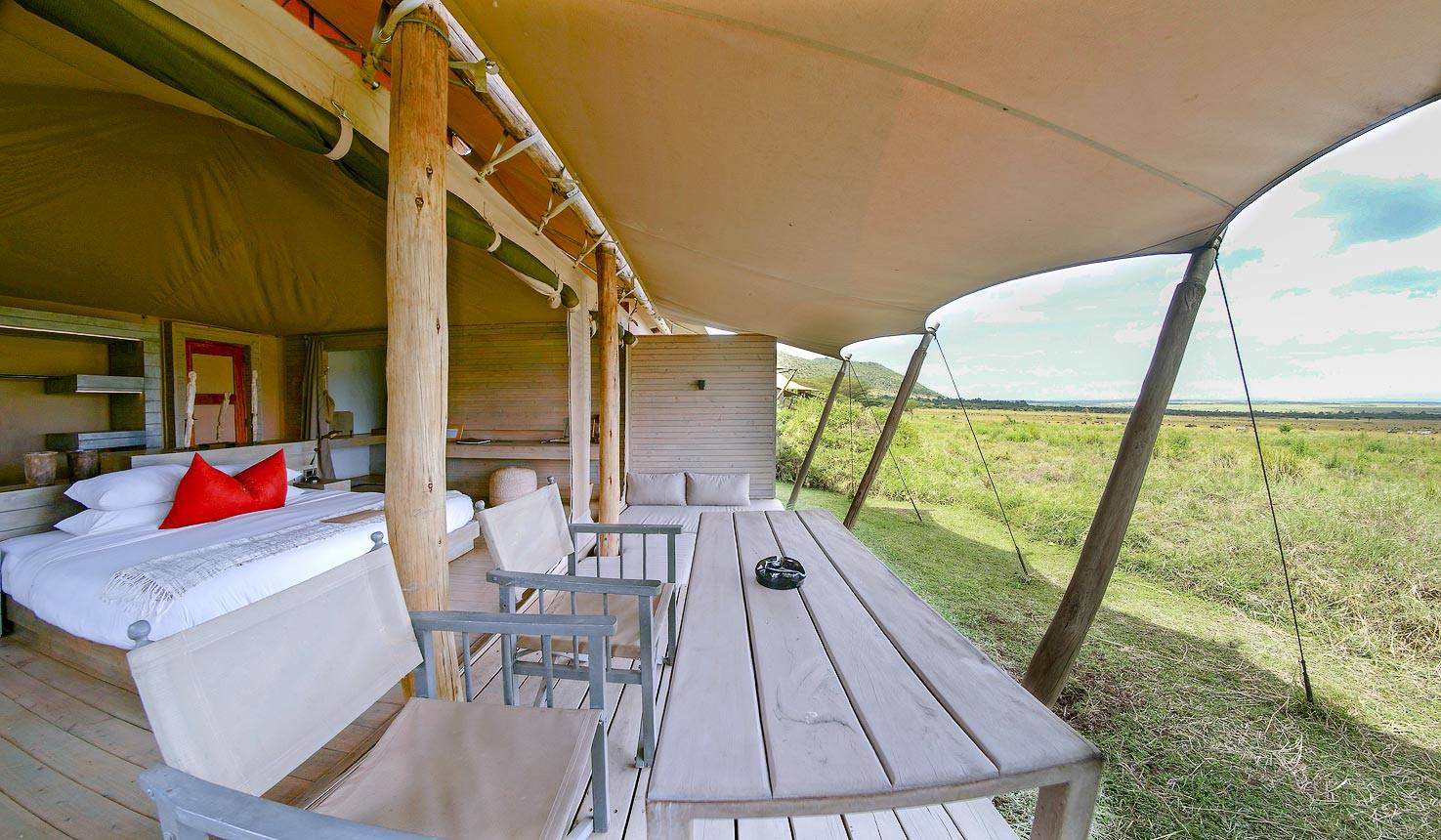
&Beyond Kichwa Tembo Camp Five-Star Luxury Experience
&Beyond Kichwa Tembo Camp Exclusive Safari Tier
&Beyond Kichwa Tembo Camp holds a classification as a five-star luxury permanent tented camp.
This designation reflects its comprehensive amenities, high-quality guided experiences, and high service levels.
These elements align with top-tier international travel standards.
The camp operates an all-inclusive model.
This model covers accommodation, meals, standard drinks, and scheduled safari activities.
&Beyond Kichwa Tembo Camp Camp Size and Capacity
The camp features 40 guest tents.
This structure maintains privacy and spaciousness.
The inventory divides into three distinct categories.
These categories address different preferences for views and location.
They include 12 Classic Tents, 20 Superior Tents, and 8 Superior View Tents.
This capacity allows for personalised service and accommodates both individual travellers and larger groups.
&Beyond Kichwa Tembo Camp Private Concession Details
The camp operates on a private concession.
This land is leased directly from Maasai landlords.
This exclusive-use area borders the unfenced Masai Mara National Reserve.
It grants guests access to activities prohibited within the national reserve itself.
These activities include guided bush walks, night game drives, and off-road driving for specific sightings.
These offerings provide more intimate and varied wildlife encounters.
Location of &Beyond Kichwa Tembo Camp
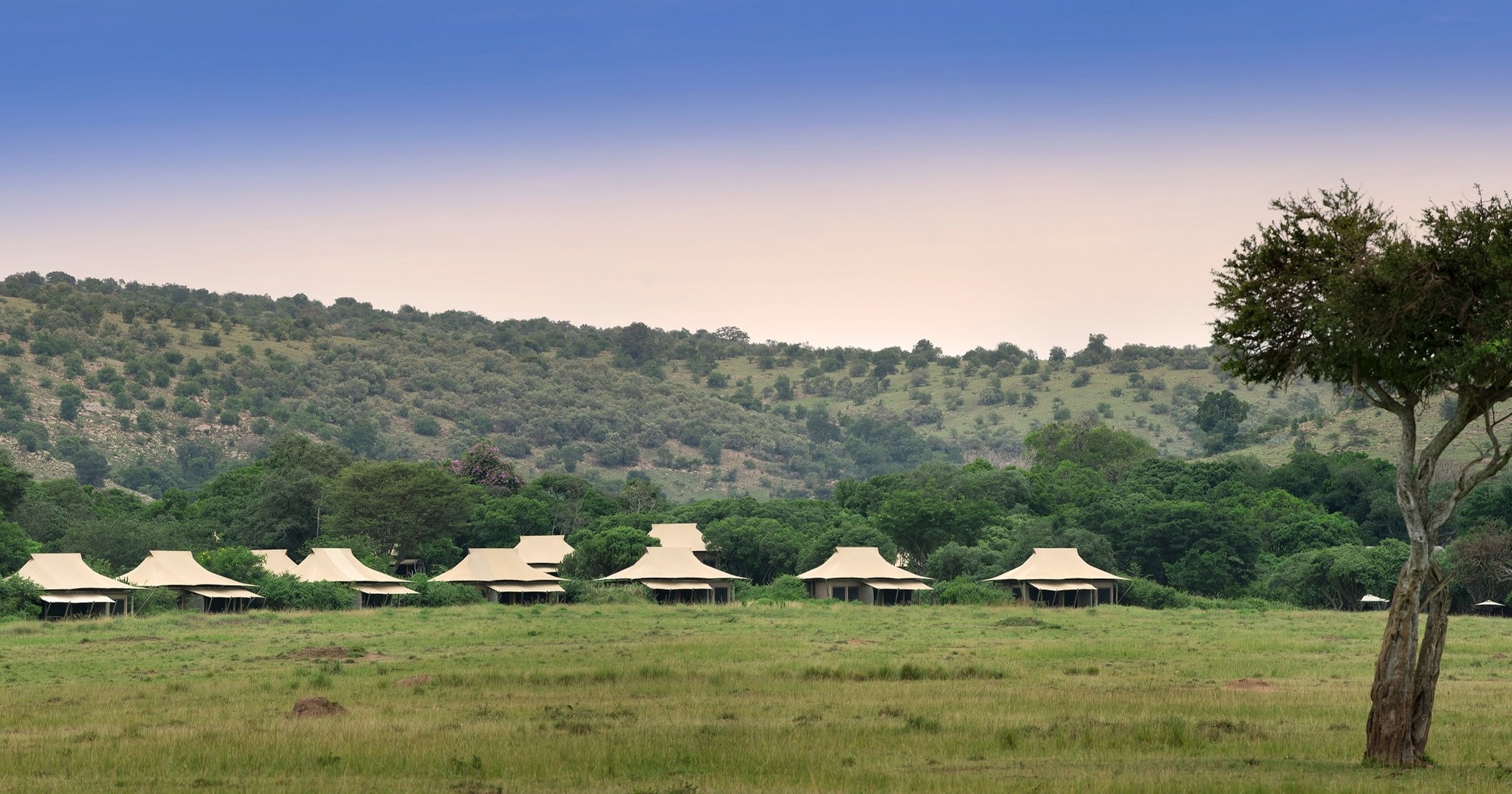
&Beyond Kichwa Tembo Camp Mara Triangle Access
&Beyond Kichwa Tembo Camp is situated at the base of the Oloololo Escarpment.
It lies on the western boundary of the Masai Mara, within the exclusive Mara Triangle.
The Mara Conservancy administers this sector.
It supports a high density of wildlife and benefits from efficient management.
This results in consistent game viewing opportunities year-round.
The location holds historical significance.
It sits near the filming sites for the 1985 film "Out of Africa."
&Beyond Kichwa Tembo Camp Proximity to Mara River Crossings
The camp's position provides access to several key crossing points of the Mara River.
This access is available during the annual Great Migration, typically from July to October.
Proximity allows guides to monitor river conditions and herd movements.
This increases the probability of witnessing this natural event.
It also avoids longer transit times often required from camps located further afield.
&Beyond Kichwa Tembo Camp Surrounding Ecosystems
The camp's environment combines three distinct ecosystems.
These include the open savanna plains of the Masai Mara, the riverine forest flanking the Saparingo River, and the forested slopes of the Oloololo Escarpment.
This ecological diversity supports a wide variety of species.
It also provides varied landscapes for game drives and walks.
&Beyond Kichwa Tembo Camp Diverse Flora and Avian Life
The riverine forest ecosystem provides a habitat for specific bird species.
These species are not commonly found on the open plains.
Birdwatchers frequently identify species such as the Schalow's Turaco, Ross's Turaco, and various kingfishers and cuckoos.
The surrounding acacia woodlands and grasslands host raptors and plains-dwelling birds.
This makes the concession an area for diverse birding opportunities.
Accommodation at &Beyond Kichwa Tembo Camp
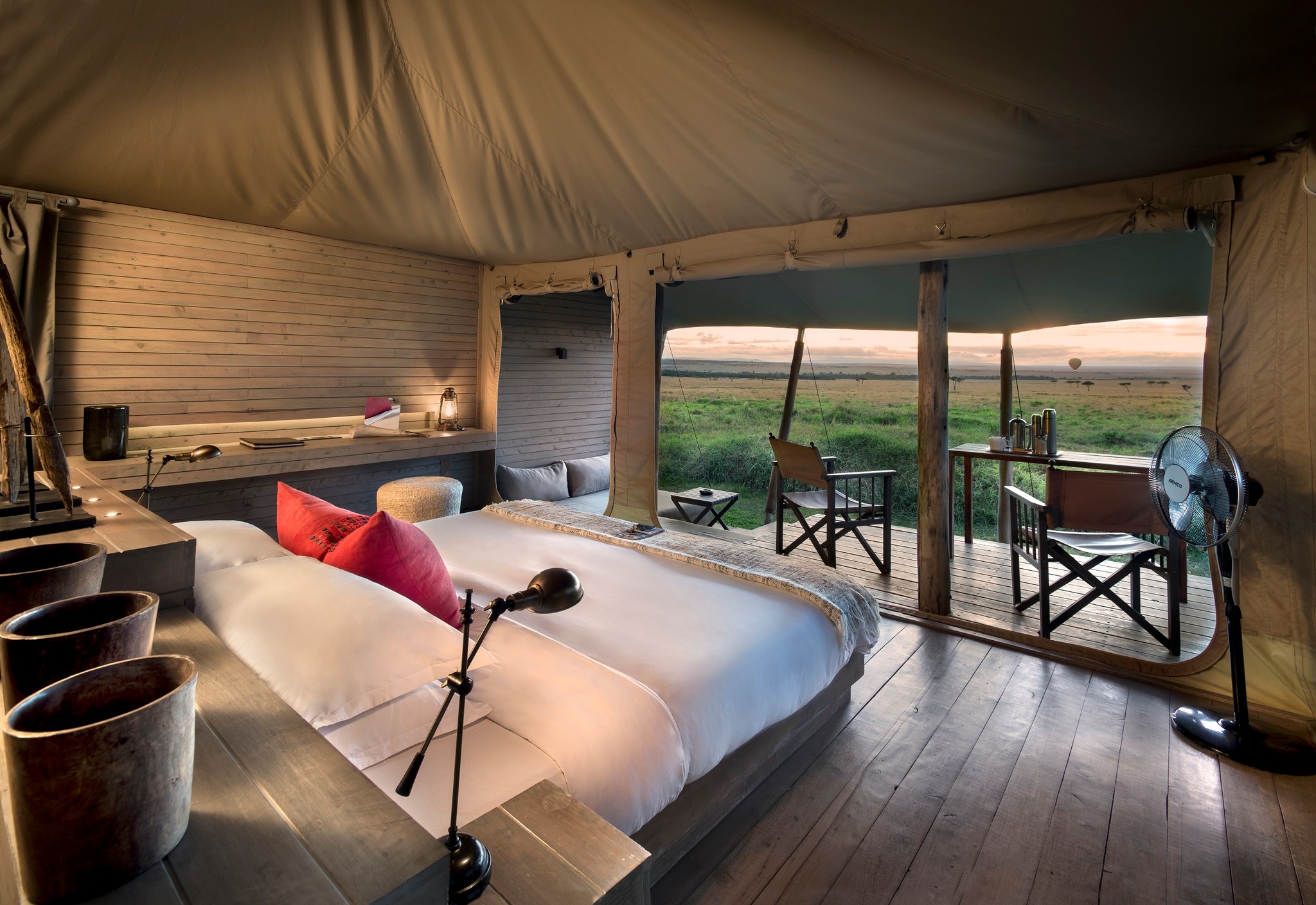
&Beyond Kichwa Tembo Camp Tent Categories
The camp provides three tiers of tented accommodation.
All accommodations feature en-suite bathrooms with indoor showers, private verandas, internet access, in-room safes, and floor fans.
- Superior View Tents: These eight tents position for expansive, 180-degree views across the Masai Mara plains. These views are accessible directly from their private verandas. Interiors feature contemporary Maasai-inspired design.
- Superior Tents: The 20 Superior Tents sit within the cool shade of the riverine forest. This provides a private and tranquil atmosphere. These tents suit guests who prioritise seclusion and birdwatching.
- Classic Tents: These 12 tents are located near the Saparingo River. They present a traditional early-20th-century safari aesthetic. They include classic furnishings and layouts.
&Beyond Kichwa Tembo Camp Superior Tents Forest Setting
The Superior Tents are located within the dense riverine forest that borders the camp.
This location provides natural cooling.
It also creates a distinct auditory environment of bird calls and forest sounds.
The shaded setting offers a contrast to the sun-exposed plains.
It provides a quiet retreat between safari activities.
&Beyond Kichwa Tembo Camp Family Tents and Amenities
Superior Family Tents configure from two interconnected Superior Tents.
This arrangement provides a shared en-suite bathroom and a central private veranda.
The standard configuration accommodates two adults and two children.
A third child can be accommodated upon request.
This design maintains private sleeping quarters while ensuring family cohesion.
Wildlife Encounters at &Beyond Kichwa Tembo Camp
&Beyond Kichwa Tembo Camp Resident Wildlife Prides
The Mara Triangle is known for its stable and high-density predator populations.
The camp's location provides access to the territories of several well-documented lion prides and coalitions.
Cheetahs are frequently sighted on the open plains.
The area's leopard population is healthy, though sightings require skilled tracking within the woodlands and riverine areas.
&Beyond Kichwa Tembo Camp Notable Animal Sightings
Year-round, guests expect reliable sightings of large elephant herds, buffalo, topi, giraffe, and zebra.
The camp's private concession also serves as a location for observing nocturnal species.
These include bat-eared foxes, civets, and genet cats during night drives.
Black rhino sightings are possible within the Mara Triangle.
This area acts as a protected sanctuary for the species.
&Beyond Kichwa Tembo Camp Game Drive Experiences
Game drives use customised open-sided 4x4 Land Cruisers.
These vehicles are designed for photographic and viewing opportunities.
Each vehicle includes SWAROVSKI OPTIK binoculars for guest use.
Professionally certified guides lead these drives.
They possess extensive knowledge of the local fauna, flora, and ecology.
&Beyond Kichwa Tembo Camp Seasonal Migration Viewing
From approximately July to October, the camp functions as a base for viewing the Great Wildebeest Migration.
Its proximity to the Mara River allows for efficient positioning to witness herd crossings.
Game drives during this period focus on the immense herds and the associated predator activity.
Dining Experiences at &Beyond Kichwa Tembo Camp
Dining at the camp forms an integral part of the safari experience.
It focuses on fresh, locally sourced ingredients and varied settings.
Options include communal dining and private arrangements.
&Beyond Kichwa Tembo Camp Interactive Kitchen
The camp features an open, interactive kitchen.
This setup allows guests to observe the culinary team at work.
This "farm-to-table" approach is integral to the dining experience.
Chefs are available to discuss menus and preparation techniques.
&Beyond Kichwa Tembo Camp Private Dining Options
Private dining arranges in various locations throughout the camp for guests who seek exclusivity.
Settings include the poolside deck or a secluded spot on the guest's tent veranda.
These options provide intimate meal services.
&Beyond Kichwa Tembo Camp Bush Dining Experiences
The camp provides dining experiences set in the wilderness.
Options include breakfasts served on the Oloololo Escarpment, overlooking the Mara.
Picnics can be arranged in a secluded spot during a full-day game drive.
Lantern-lit dinners in the bush are also available, complete with a campfire and Maasai guards.
&Beyond Kichwa Tembo Camp Farm-to-Table Cuisine
A significant portion of the fresh produce used in the kitchen harvests from the camp's large organic vegetable garden.
This garden is known locally as a 'shamba'.
It supplies a variety of seasonal vegetables, herbs, and salads.
This ensures peak freshness and flavour while also reducing the camp's carbon footprint.
&Beyond Kichwa Tembo Camp Catering for Dietary Needs
The culinary team handles a wide range of dietary requirements.
These include vegetarian, vegan, gluten-free, and specific allergies.
Halal meals can be prepared with advance notification.
Guests communicate any specific dietary needs during the booking process.
This ensures proper arrangements are made.
Kosher meals are not available.
Conservation and Community Initiatives by &Beyond Kichwa Tembo Camp
&Beyond Kichwa Tembo Camp Local Community Engagement
The camp maintains a partnership with the local Maasai community.
This is established through its lease agreements and employment policies.
A visit to a neighbouring Maasai village provides cultural interaction.
All proceeds from craft sales at the Maasai Craft Centre direct back to the community.
This model provides a direct economic benefit and fosters positive relationships.
&Beyond Kichwa Tembo Camp Specific Conservation Projects
Through its partnership with the Africa Foundation, &Beyond Kichwa Tembo Camp supports long-term community development and conservation projects.
These initiatives often focus on education, such as classroom construction.
They also support healthcare, through local clinics.
Guests can learn about or visit these projects.
This helps them understand the impact of their stay.
&Beyond Kichwa Tembo Camp Sustainable Practices
The camp operates with a commitment to sustainability.
This includes the on-site 'shamba' to reduce food miles.
It also includes comprehensive waste management systems and water conservation measures.
The camp's design and operations minimise environmental impact on the sensitive Mara ecosystem.
Key Features of &Beyond Kichwa Tembo Camp
| Feature | Description |
|---|---|
| Category | Five-star luxury permanent tented camp |
| Total Tents | 40 (12 Classic, 20 Superior, 8 Superior View) |
| Location | Mara Triangle, private concession, Oloololo Escarpment base |
| Wildlife Focus | High predator density, Great Migration access, nocturnal species, black rhino potential |
| Dining Style | Farm-to-table cuisine, interactive kitchen, bush dining, private options |
| Special Activities | Guided bush walks, night game drives, off-road driving (private concession) |
| Community Involvement | Partnership with Maasai community, Africa Foundation projects |
Planning Your Visit to &Beyond Kichwa Tembo Camp Logistics
&Beyond Kichwa Tembo Camp Getting There and Transfers
Primary access to the camp uses air travel.
Scheduled flights operate daily from Nairobi's Wilson Airport (WIL) to the Kichwa Tembo Airstrip (IATA: KTW).
The airstrip is located minutes from the camp.
Road travel from Nairobi is possible, but air travel offers greater efficiency and comfort.
&Beyond Kichwa Tembo Camp Flight Information
Multiple carriers offer daily flights to the Kichwa Tembo Airstrip.
Luggage on these light aircraft restricts to 15 kg per person in soft-sided bags.
The camp coordinates with flight arrivals and departures.
This provides efficient vehicle transfers.
&Beyond Kichwa Tembo Camp Arrival Procedures
Upon landing at the Kichwa Tembo Airstrip, a camp representative and guide meet guests.
The transfer to the camp is a short game drive.
This provides an immediate introduction to the wildlife.
Check-in processes efficiently at the camp's reception area.
Important Travel Information for &Beyond Kichwa Tembo Camp Guests
&Beyond Kichwa Tembo Camp Kenya Entry Requirements
As of 2026, all international visitors to Kenya require an Electronic Travel Authorisation (eTA).
This must be obtained prior to their journey.
The previous visa system is no longer in use.
Applications for the eTA submit online.
It is advised to submit applications at least 72 hours before the scheduled departure.
This allows for processing.
&Beyond Kichwa Tembo Camp 2026 Park Entry Fees and Costs
Guests undertaking game drives into the Masai Mara National Reserve pay daily park entry fees.
The Kenya Wildlife Service (KWS) sets these fees.
They are essential for the conservation and management of the reserve.
The 2026 rates for premium parks structure by season.
| Season | Period | Fee per Adult per Day | Fee per Child (3-17) per Day |
|---|---|---|---|
| High Season | July - March | USD 200 | USD 50 |
| Low Season | April - June | USD 100 | USD 20 |
Note: Government authorities may change these fees. Confirm current rates at the time of booking. Fees are payable for each 24-hour period spent inside the reserve.
&Beyond Kichwa Tembo Camp Health and Safety Guidelines
The Masai Mara is a malaria-risk area.
All guests should consult their doctor for advice on appropriate anti-malarial prophylaxis before travel.
Guests should also use insect repellent and wear long-sleeved clothing during dawn and dusk.
The camp adheres to strict health and safety protocols.
Trained staff are available to manage any medical emergencies.
&Beyond Kichwa Tembo Camp Suggested Travel Times
Wildlife viewing at Kichwa Tembo remains consistent year-round.
The optimal time for a visit depends on specific interests:
- July to October: This period represents the peak season for witnessing the Great Migration and Mara River crossings. The weather typically remains dry and temperate.
- November to June: This period offers consistent general game viewing with fewer visitors. The "green season," from November to May, brings lush landscapes, migratory birds, and newborn animals. This provides opportunities for photography.