The choice between a guided expedition and an independent trek constitutes a primary logistical decision for any ascent of Mount Kenya.
This determination directly impacts safety protocols, itinerary structure, budget, and the overall character of the high-altitude experience.
A guided hike provides professional oversight and support. An independent trek offers maximum autonomy and personal challenge.
Defining Your Trekking Style for Mount Kenya
Evaluating your experience level, risk tolerance, and desired outcomes is the first step in planning a Mount Kenya trek.
A guided hike prioritises safety and logistical simplicity. A certified team manages the responsibility for navigation, camp management, and emergency response.
An independent hike demands a high degree of self-sufficiency, navigational skill, and preparedness for high-altitude environments.
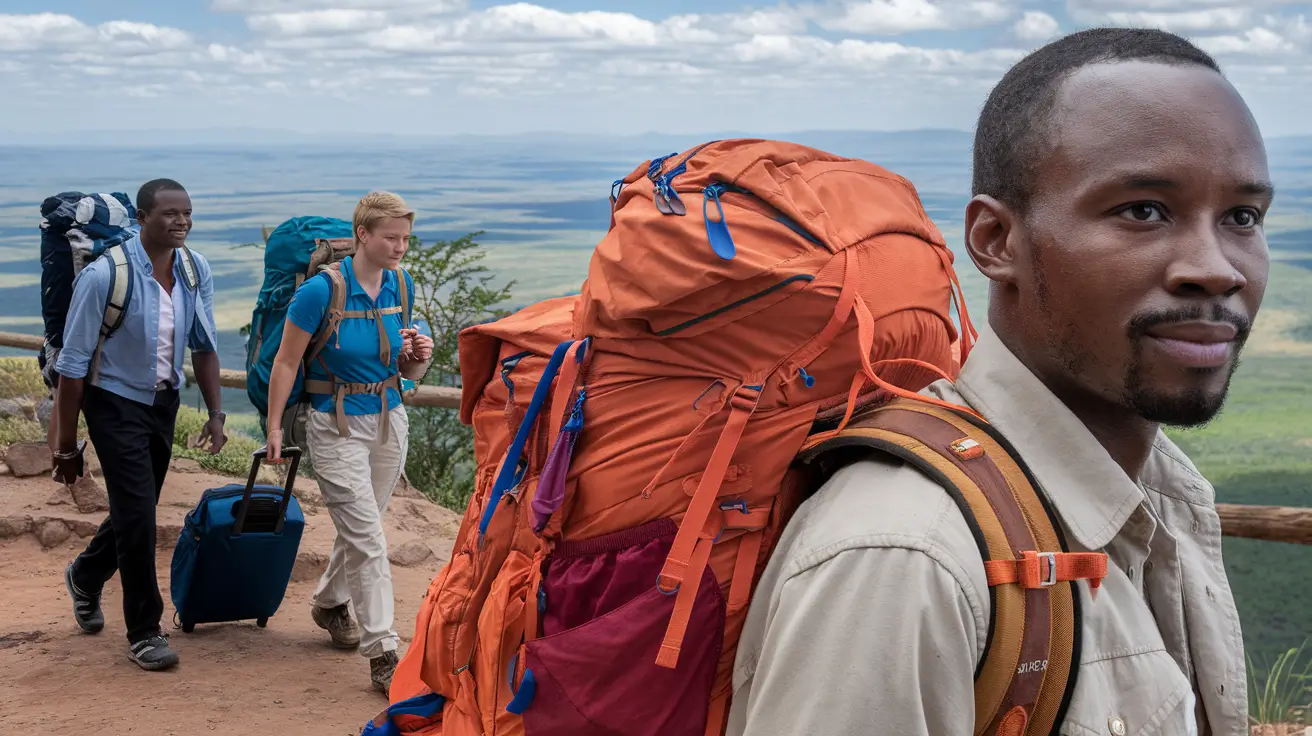
Core Differences between Guided and Independent Mount Kenya Treks
The fundamental trade-offs between guided and independent treks on Mount Kenya centre on the balance between cost, safety, and flexibility.
Features of Guided Hikes
| Pros of Guided Hikes on Mt. Kenya | Cons of Guided Hikes on Mt. Kenya |
| Enhanced Safety: Guides are certified in wilderness first aid and are proficient in identifying and managing Acute Mountain Sickness (AMS), providing a sense of security during the ascent. | Higher Cost: The total price includes fees for guides, porters, cooks, and agency logistics. |
| Expert Navigation: Professional guides possess thorough knowledge of all trails, including unclear sections and viable routes in adverse weather conditions. | Reduced Flexibility: Itineraries are typically fixed to ensure proper acclimatisation and camp logistics, allowing for minimal deviation. |
| Logistical Support: The operator manages all arrangements, including park permits, transport, and camp setup. | Group Dynamics: Trekkers must adapt to the pace and social dynamic of an established group. |
| Ecosystem Knowledge: Guides provide detailed information on the unique Afro-alpine flora, fauna, and geology of the mountain. | Fixed Schedule: Departure dates and trek duration are pre-set, offering less spontaneity. |
| Cultural Context: Local guides offer insights into the cultural significance of the mountain to communities like the Kikuyu. |
Features of Independent Hikes
| Pros of Hiking Independently on Mt. Kenya | Cons of Hiking Independently on Mt. Kenya |
| Lower Cost: Major expenses are limited to park fees, food, and transport. There are no guide or porter fees. | Safety Responsibility: Trekkers are solely responsible for their own safety, first aid, and emergency evacuation protocols. Park regulations do not permit solo hiking. |
| Maximum Flexibility: Trekkers control their own pace, itinerary, and daily schedule, enabling spontaneous route changes. | Navigational Risk: The risk of disorientation is high, especially above the tree line or in fog and white-out conditions. |
| Personal Challenge: The experience fosters self-reliance and develops advanced mountaineering and decision-making skills. | Gear and Provision Burden: Trekkers must personally carry all equipment, food, and supplies for the entire trek. |
| Solitude: This approach offers an unfiltered connection with the mountain environment, free from group dynamics. | AMS Risk Management: Trekkers must recognise and correctly respond to the symptoms of altitude sickness without expert oversight. |
| Information Gaps: Trekkers do not receive expert knowledge regarding the ecosystem, trail conditions, and cultural history. |
Key Considerations for Choosing a Mount Kenya Trek
Your personal comfort with outdoor challenges, budget, and desired level of autonomy are critical factors.
Novice high-altitude trekkers or those with limited time for logistical planning will find a guided hike more suitable.
Experienced mountaineers with proven navigational skills and a high degree of self-sufficiency may opt for an independent trek.
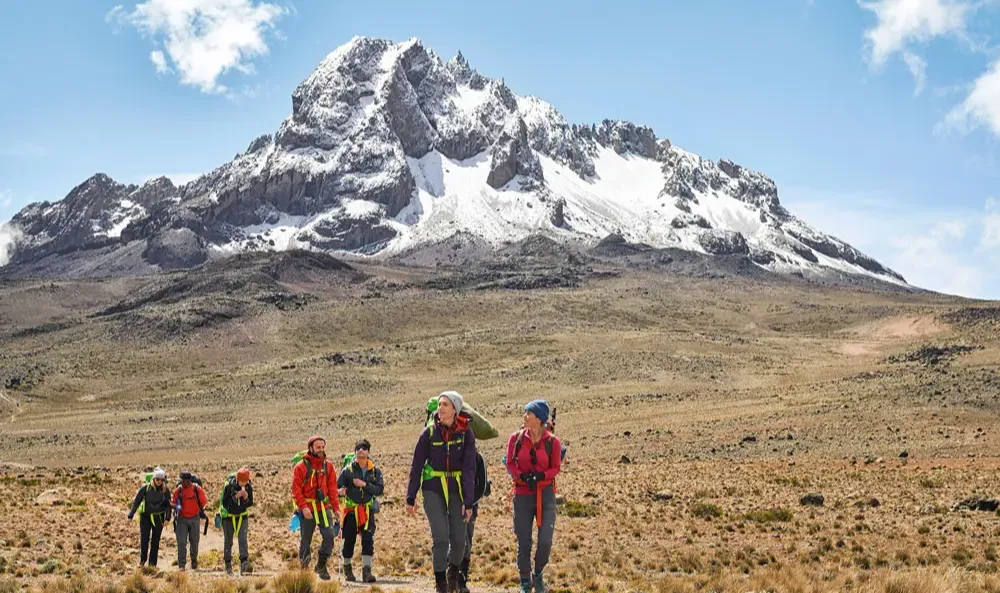
Mount Kenya Peaks and Trails Navigating Options
The choice of route and summit objective directly influences the decision between a guided or independent approach.
Technical peaks require guide services. Experienced parties may attempt trekking peaks independently.
Major Summit Aspirations Batian, Nelion, and Point Lenana
- Batian (5,199m) and Nelion (5,188m): These are technical rock climbing peaks. An ascent is only possible with certified technical mountain guides and specialised equipment. Independent attempts are prohibited and are extremely hazardous.
- Point Lenana (4,985m): This is the mountain's highest trekking peak. Point Lenana is physically demanding. It requires no technical climbing skills. It is the primary objective for most trekkers and can be attempted either guided or independently.
Popular Trail Options Sirimon, Naro Moru, and Chogoria
- Sirimon Route: This route features a steady ascent profile and abundant wildlife. It is the most popular route for acclimatisation. Its well-defined path makes it a feasible option for well-prepared independent trekkers.
- Naro Moru Route: This is the fastest route to the summit. It is also the most challenging due to its steepness and the "Vertical Bog." A guide is recommended for navigating this section, especially in wet conditions.
- Chogoria Route: This route is known for its scenic views, particularly on descent. It features steep gorges and glacial lakes. Its length and remoteness make a guided trek a more practical and safer option.
Essential Camps and Huts Shipton's, Austrian, and Mackinder's
Major routes are serviced by mountain huts that provide basic shelter.
On a guided trek, your operator manages hut or campsite bookings.
Independent trekkers must arrange and pay for these facilities directly with the Kenya Wildlife Service (KWS) or hut custodians.
Prioritizing Flexibility or Expert Guidance for Mount Kenya Hikes
Your decision rests on the value you place on complete autonomy or the safety net of professional expertise.
Each approach fundamentally alters the trekking experience.
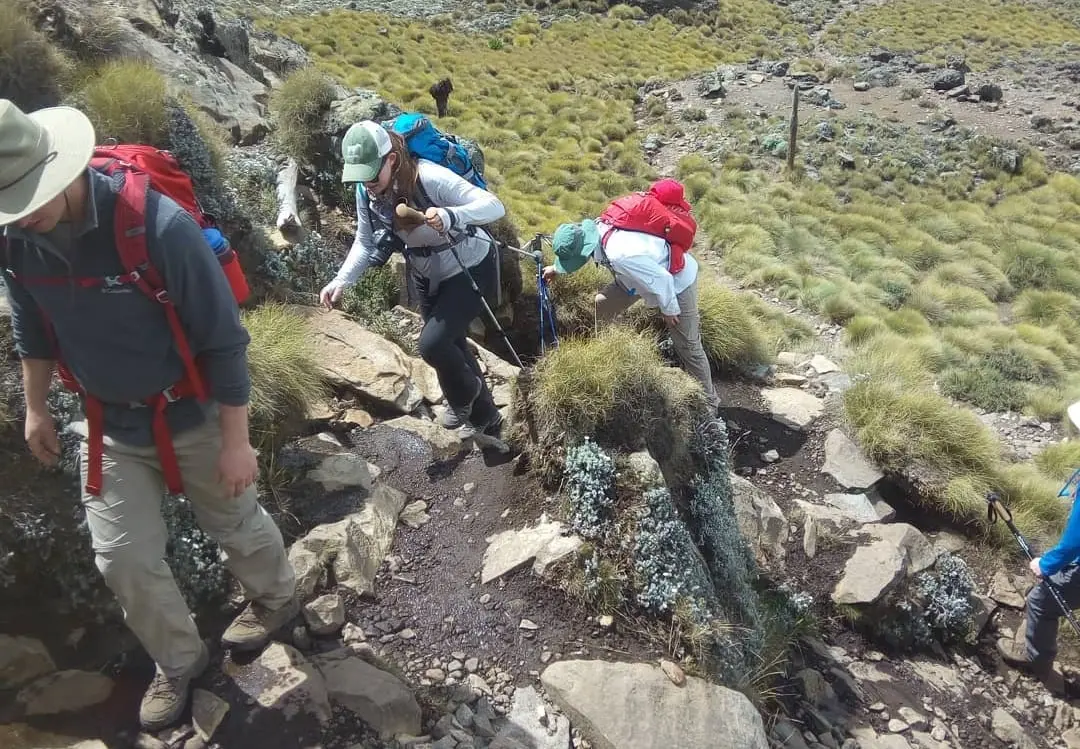
Self-Sufficiency Versus Team Support Dynamics
An independent hike is an exercise in total self-reliance, from navigation to cooking and emergency response.
A guided trek functions as a team-based expedition. The guide leads, the cook prepares meals, and porters transport the bulk of the equipment.
This structure allows you to focus solely on the physical challenge of the ascent and the surrounding environment.
Understanding Mount Kenya's Ecosystems
A guide's expertise significantly adds depth to the experience of traversing Mount Kenya's distinct altitudinal vegetation zones.
These unique ecosystems are a key feature of the trek.
- Afro-alpine Moorlands: Above 3,500 metres, this zone is characterised by distinctive flora. This includes the giant groundsel (Senecio keniodendron) and the towering Lobelia keniensis. Guides can explain the unique adaptations of these plants.
- Bamboo and Giant Heather Zones: The lower slopes feature dense bamboo forests and a subsequent band of giant heather, often draped in moss. Navigating these thick zones independently can be challenging.
- Unique Flora and Fauna: Guides possess trained eyes to spot elusive wildlife such as the rock hyrax, sunbirds, and occasionally the rare bongo antelope. They also provide context on their ecological roles.
Logistics and Practicalities for Mount Kenya Treks
Thorough planning is non-negotiable for a safe and successful trek, whether guided or independent.
Safety, Preparedness, and Acclimatization for Mount Kenya Treks
Acclimatisation is the most critical safety factor.
All itineraries, both guided and independent, must incorporate a "climb high, sleep low" strategy. They must also allow for at least one full acclimatisation day.
Independent trekkers must create their own conservative ascent schedule. Guided treks include this protocol as standard.
Carrying a comprehensive first-aid kit, an emergency communication device, and a detailed route map is mandatory for independent groups.
2026 Mount Kenya Entry Fees and Guide Costs
Budgeting for a Mount Kenya trek requires an understanding of the KWS fee structure and the market rates for guide and porter services.
All fees are subject to change and should be verified with KWS directly before your trip.
The following table outlines the estimated costs based on the 2026 KWS Premium Park rates.
| Estimated Mount Kenya Trekking Costs for 2026 | |
|---|---|
| Item | Estimated Cost (per person) |
| KWS Park Entry (Non-Resident Adult) | ~$80 - $90 USD per 24-hour period |
| Camping Fee (per night) | ~$20 - $30 USD |
| Hut Fee (per night) | ~$30 - $40 USD |
| Certified Guide Fee (per day) | ~$25 - $35 USD |
| Porter Fee (per day) | ~$15 - $20 USD |
| Cook Fee (per day) | ~$20 - $25 USD |
| All-Inclusive Guided Trek (5 days) | ~$800 - $1,500+ USD (varies by operator) |
Choosing Your Mount Kenya Trekking Adventure
The decision to trek Mount Kenya with a guide or independently is a function of experience, risk assessment, and personal philosophy.
A guided trek is often a suitable, safer, and more informative option for the vast majority of visitors. This approach ensures proper acclimatisation, adherence to park regulations, and contributes directly to the local mountain economy.
An independent trek should only be undertaken by highly experienced, self-sufficient mountaineers in groups of two or more. They must be fully equipped to handle navigation and potential emergencies in a remote, high-altitude setting.