Buffalo Springs National Reserve is a protected area located in the arid northern region of Kenya, specifically within Isiolo County.
The reserve is a key component of the larger Samburu-Isiolo conservation ecosystem and is distinguished by the oasis created by its freshwater springs and the unique, dry-country wildlife that congregates there.
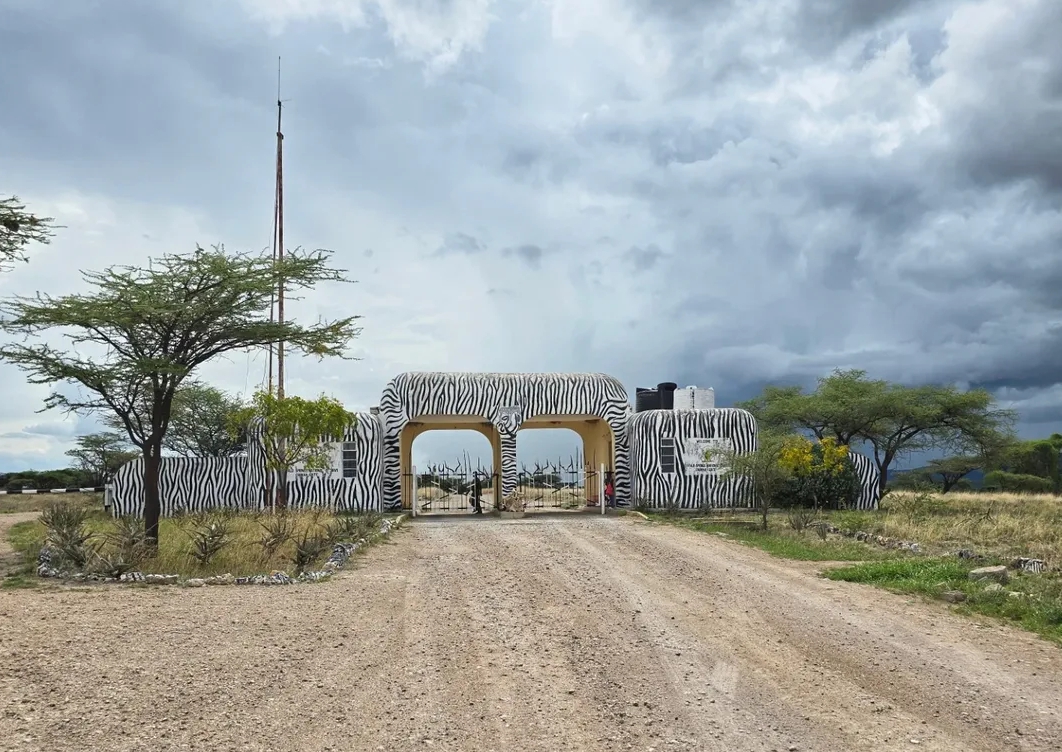
Location and Isiolo County Management
The reserve occupies the southern bank of the Ewaso Ng'iro River, which forms its northern boundary.
Directly opposite, on the northern bank, lies the Samburu National Reserve.
Together with the Shaba National Reserve to the east, these three unfenced protected areas form a contiguous and vital wildlife corridor.
Management of Buffalo Springs National Reserve falls under the jurisdiction of the County Government of Isiolo, a separate administrative body from the Kenya Wildlife Service (KWS) which manages many other national parks.
Total Geographical Area of Buffalo Springs
Buffalo Springs National Reserve covers a total area of 131 square kilometres (approximately 51 square miles).
This compact area provides a critical habitat and water source within the much larger, semi-desert landscape of northern Kenya.
The reserve's ecosystem is entirely dependent on the Ewaso Ng'iro River and its subterranean water table, which feeds the reserve's eponymous springs.
Unique Features of Buffalo Springs National Reserve
Distinctive Freshwater Springs within Buffalo Springs
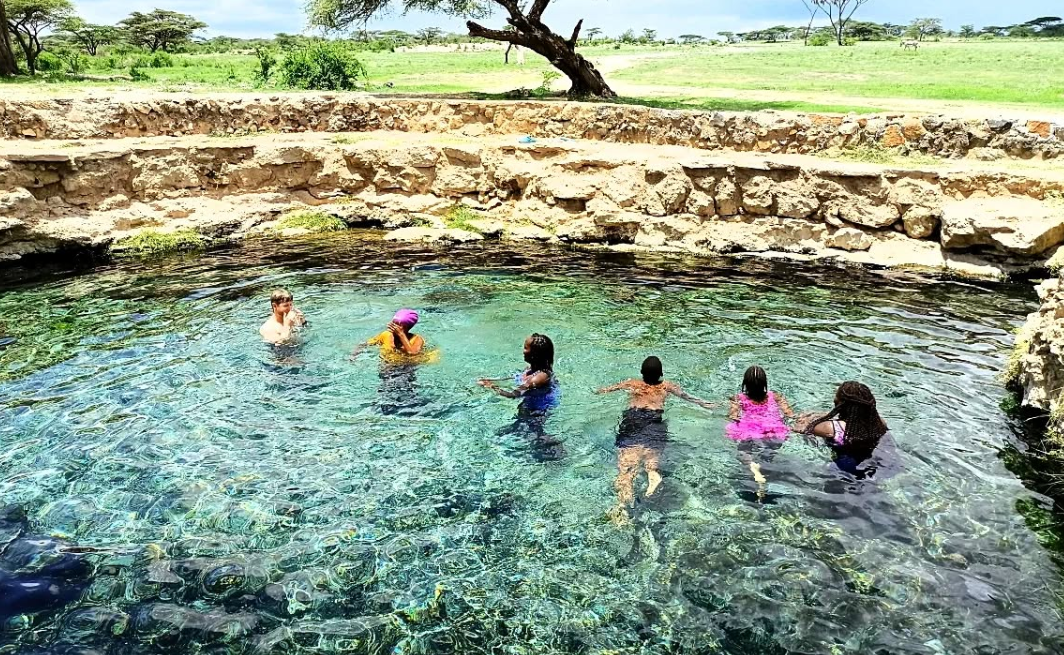
The reserve's name is derived from a series of clear freshwater springs that surface from underground aquifers.
These springs create permanent pools and streams, forming a lush oasis of green vegetation that stands in stark contrast to the surrounding dry bushland.
The main spring, often referred to as Champagne Spring due to its bubbling, clear water, is a primary attraction.
These water sources are a critical lifeline for the reserve's wildlife, particularly during the dry seasons, making the spring areas prime locations for game viewing.
Arid Landscape and Acacia-Commiphora Bushland in Buffalo Springs
The terrain of Buffalo Springs is characteristic of Kenya's northern frontier, consisting of rolling, rocky hills and scrub-covered plains.
The dominant vegetation classification is Acacia-Commiphora bushland, an ecosystem adapted to arid and semi-arid conditions.
Along the banks of the Ewaso Ng'iro River, a dense riverine forest thrives, dominated by large Doum palms and Acacia tortilis trees, which provide essential food and shade for a multitude of species.
Wildlife Encounters at Buffalo Springs NR
Signature Wildlife Species and Rare Sightings in Buffalo Springs
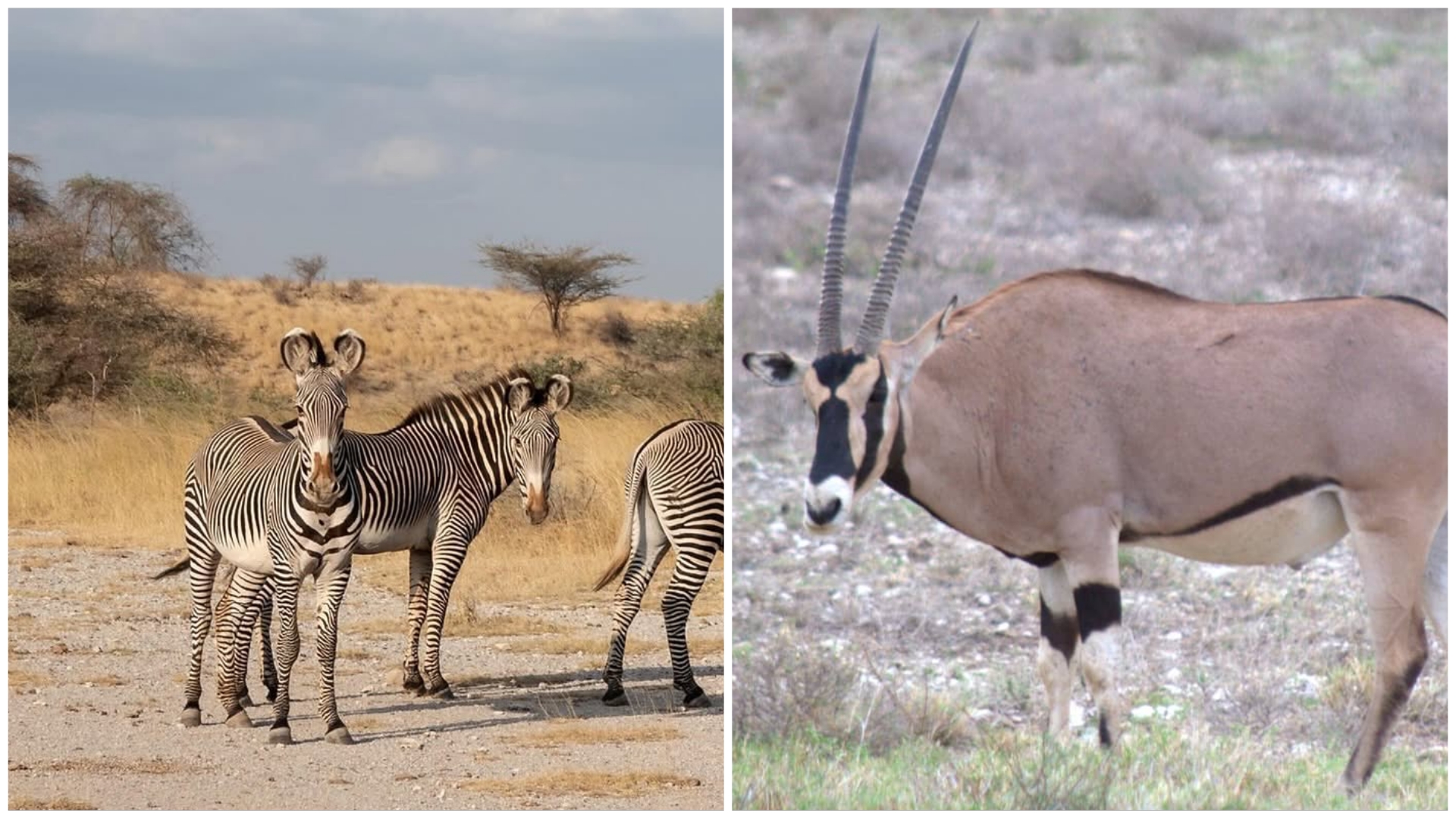
Buffalo Springs hosts several animal species specifically adapted to arid environments, often referred to as the 'Samburu Special Five'.
These are a primary attraction for safaris in the region and include the Grevy's zebra, identified by its large ears and narrow stripes; the reticulated giraffe, with its distinct net-like coat pattern; the Beisa oryx, a robust antelope with long, spear-like horns; the gerenuk, a long-necked antelope that stands on its hind legs to browse; and the Somali ostrich, recognisable by its blue-grey legs and neck.
The reserve also supports a healthy population of predators, including lions, leopards, and cheetahs, alongside large herds of elephants that frequent the river and springs.
Birdlife in Buffalo Springs
With over 365 recorded avian species, the reserve is a significant destination for birdwatching.
The ecosystem attracts many dry-country specialists.
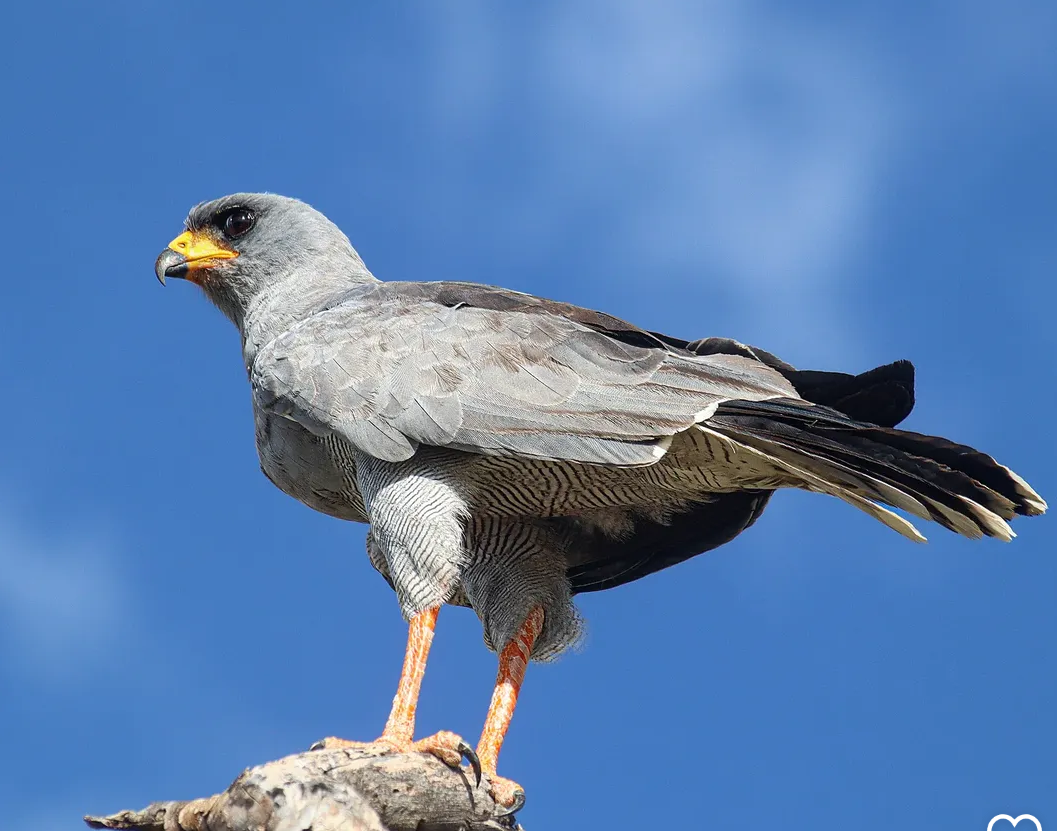
Birds of prey are common, with frequent sightings of pygmy falcons and secretary birds.
A key species is the vulturine guineafowl, a large and colourful bird with a featherless blue head and long, drooping neck feathers.
Numerous hornbill species and other arid-adapted birds are also present.
2026 Conservation Fees Buffalo Springs NR
Isiolo County Conservation Fee Structure for Buffalo Springs
All visitors must pay a daily conservation fee to enter the reserve.
These fees support wildlife conservation, anti-poaching operations, and local community initiatives.
The management of Buffalo Springs by Isiolo County means its fee structure is separate from KWS-managed parks.
Entry tickets for Buffalo Springs allow access across a bridge to the adjoining Samburu National Reserve, and vice-versa, effectively treating the two as a single destination for visitors.
| Fee Category | Non-Resident (International) | East African Resident / Citizen |
|---|---|---|
| Adult Fee (per 24 hours) | USD $70 | KES 1,000 |
| Child Fee (per 24 hours) | USD $40 | KES 500 |
Vehicle Entry Fees Buffalo Springs
In addition to the per-person conservation fees, a daily charge applies to all vehicles entering the reserve.
The rate varies based on the vehicle's seating capacity.
- Less than 6 Seats: KES 400
- 6 to 12 Seats: KES 1,000
- 13 to 24 Seats: KES 2,500
Cashless Payment Methods for Buffalo Springs Fees
Payment for all entry fees must be made through cashless methods.
Visitors should be prepared to use mobile money services such as M-Pesa or major credit/debit cards.
Entry gates only accept cashless payments.
All rates are subject to change by the county government, and verification prior to travel is recommended.
Accommodation Options Buffalo Springs National Reserve
Prominent Lodges and Tented Camps Near Buffalo Springs
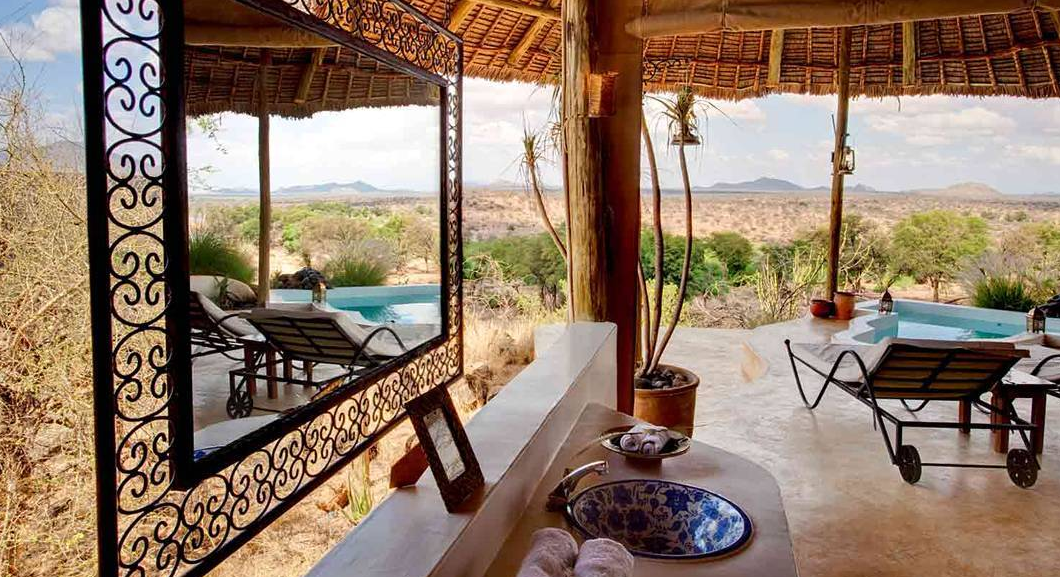
A range of accommodation is available within the greater Samburu-Buffalo Springs ecosystem, catering to various budget levels.
Some accommodation options are located within Buffalo Springs itself.
Many are situated just across the river in the adjacent Samburu National Reserve.
Access is provided between the two areas.
Notable options include Ashnil Samburu Camp, Samburu Simba Lodge, and the luxury-tier Samburu Intrepids Tented Camp.
Availability of Public Campsites in Buffalo Springs
For more self-sufficient travellers, designated public campsites are available within the reserve.
These sites provide basic facilities and offer a more direct bush experience.
Booking and payment for campsites must be arranged with the Isiolo County administration at the main gate.
Getting to Buffalo Springs National Reserve
Road Travel Access to Buffalo Springs
Buffalo Springs is accessible by road from Nairobi.
The journey covers approximately 350 kilometres and takes between six and seven hours, depending on traffic and road conditions.
The primary route is tarmac and travels north through Nanyuki and Isiolo towns, offering a view of Kenya's changing landscapes from the central highlands to the arid north.
Air Safari Options to Buffalo Springs
Flying is a more efficient travel alternative.
Scheduled and charter flights operate daily from Nairobi's Wilson Airport (WIL) to local airstrips serving the reserve, such as the Samburu (ASV) or Oryx Airstrips.
Flight duration is approximately one hour.
Upon arrival, visitors are met by their lodge vehicle for a short transfer, which often serves as the first game drive of their safari.
Pre-Travel Information for Buffalo Springs Visitors
Kenya's Electronic Travel Authorisation (eTA) for Visitors
As of 2024, Kenya has implemented a mandatory Electronic Travel Authorisation (eTA) system for all international visitors, replacing the previous visa requirement.
All non-citizen travellers, regardless of their country of origin, must apply for and receive an approved eTA before commencing their journey to Kenya.
International Entry Requirements for Kenya Travel
The eTA application must be completed online, and it is recommended to apply at least 72 hours prior to travel to allow for processing.
A valid passport with at least six months of validity from the planned date of entry is required for the application.
The eTA is a mandatory prerequisite for boarding a flight to Kenya.
Cultural Experiences Near Buffalo Springs NR
The Samburu Community Heritage Near Buffalo Springs
The lands surrounding Buffalo Springs National Reserve are the ancestral home of the Samburu people, a semi-nomadic pastoralist community with a rich and distinct cultural heritage closely related to the Maasai.
Their culture is organised around their cattle, which are their primary source of wealth and sustenance.
Traditional Samburu society is known for its gerontocracy and complex age-set system for men.
Opportunities for Cultural Interaction with the Samburu
Many lodges and safari operators in the area facilitate authentic, respectful visits to local Samburu villages.
These interactions provide visitors with an opportunity to learn about traditional customs, herding practices, housing (known as a 'manyatta'), and the community's deep connection to the local environment.
Such visits offer a valuable cultural dimension to a wildlife safari and directly support the local economy.
Book a Trip to Buffalo Springs (Buffalo Springs NR)
Include Buffalo Springs (Buffalo Springs NR) in your personalized Kenya safari itinerary and create unforgettable memories.
Plan My SafariMore Attractions
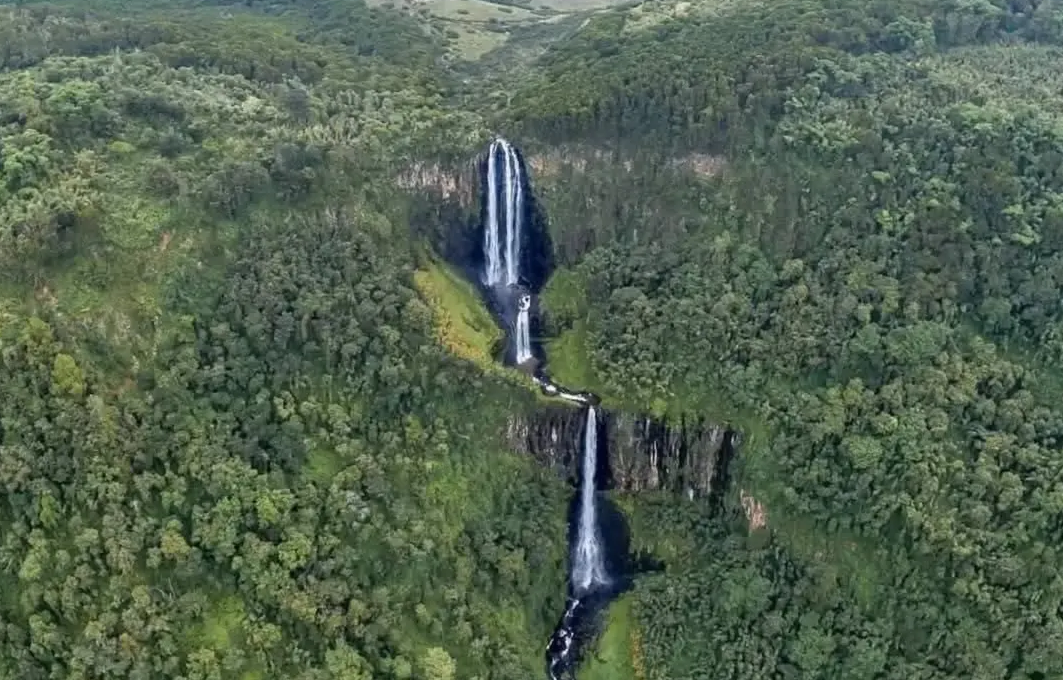
Karuru Falls (Aberdares)
Kenya's tallest waterfall in three breat...
Chania Falls (Aberdares)
Serene waterfalls cascading over rocky l...
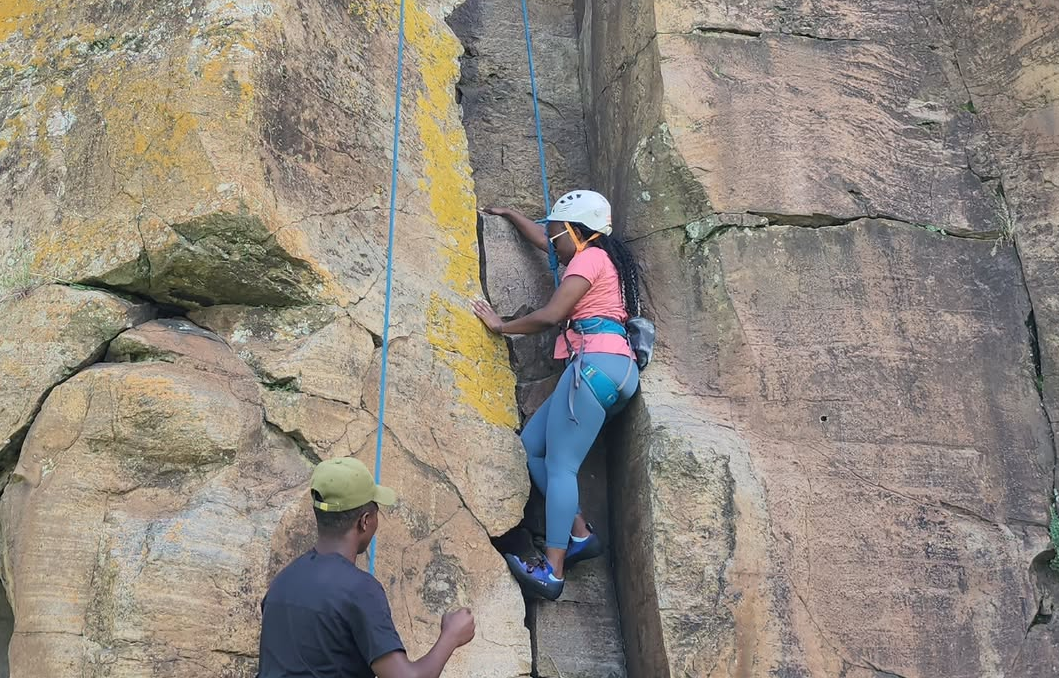
Fischer's Tower (Hell's Gate NP)
Iconic volcanic plug popular for rock cl...
Central Tower (Hell's Gate NP)
Impressive rock tower offering climbing...
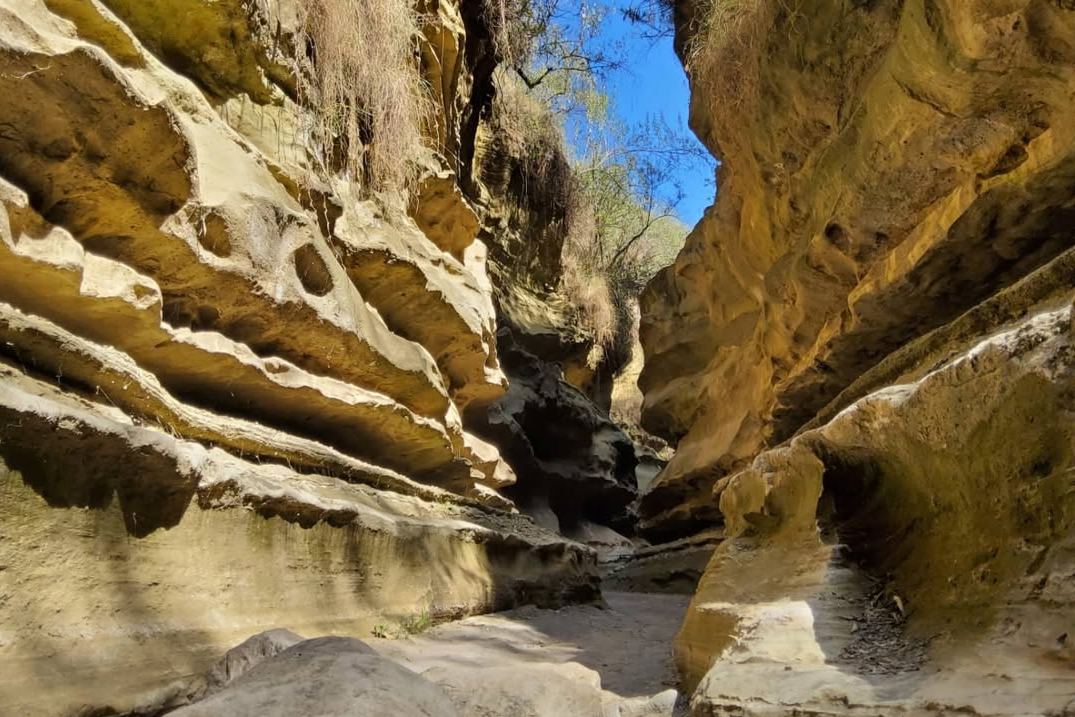
Ol Njorowa Gorge (Hell's Gate NP)
Dramatic gorge carved by ancient water f...
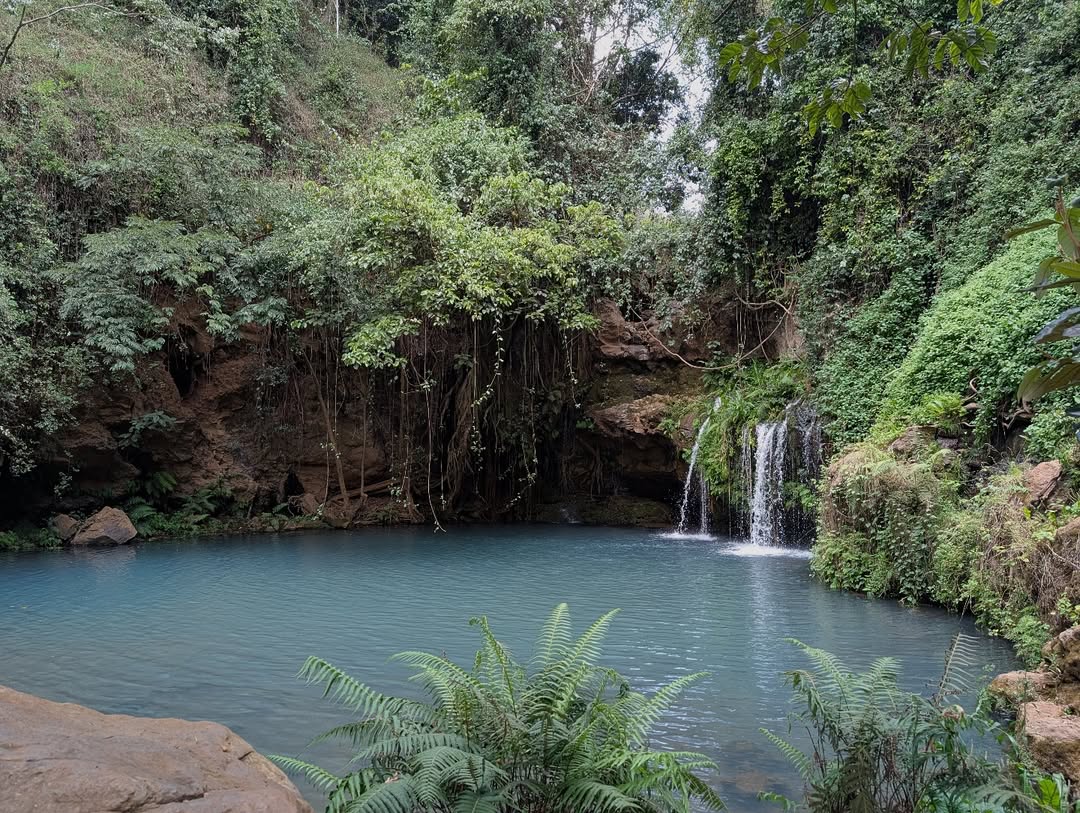
Ngare Ndare Forest
Thrilling canopy walk and pristine blue...