Aberdare National Park is a high-altitude reserve. Its landscape features montane ecosystems and significant water bodies.
Chania Falls is a multi-tiered cascade located within the park's southern forested Salient.
The falls are readily accessible to visitors exploring the park's lower forest circuits.
Chania Falls Height Measurements
Chania Falls has an approximate total height of 25 metres.
The waterfall does not feature a single, sheer plunge. The Chania River cascades over a series of resistant rock ledges.
This multi-step drop creates a wide, powerful curtain of water. It descends into a deep plunge pool carved out at the base of the gorge.
Chania Falls Geology in the Aberdares
The geological structure of Chania Falls directly results from the volcanic history of the Aberdare Range.
The falls cascade over a series of hard, erosion-resistant phonolite and basalt ledges.
These volcanic rock formations are remnants of ancient lava flows. They are significantly more durable than the surrounding softer rock layers.
Over millennia, the persistent flow of the Chania River has eroded the less resistant material. This process left these hard ledges to form the distinct tiers of the waterfall.
Ecological Environment Around Chania Falls
The falls are within the lower montane forest zone of the Aberdares. This ecosystem features a dense canopy of indigenous trees.
These include East African yellowwood (Podocarpus latifolius) and African redwood (Hagenia abyssinica).
The immediate vicinity of the gorge walls provides a micro-habitat. This area is sustained by the constant spray from the falls.
This area supports a lush growth of ferns, mosses, and other moisture-dependent flora.
The surrounding forest provides critical habitat for forest-specialist wildlife. This includes Sykes' monkeys, black-and-white colobus monkeys, and a diverse array of bird species.
Chania Falls Indigenous Heritage
Documented indigenous names for Chania Falls are not widely available. However, the Chania River serves as a vital life source.
It holds deep cultural significance for the Kikuyu people inhabiting the surrounding foothills.
The rivers flowing from the Aberdares are known as Nyandarua. This name, "the drying hide," refers to its shape. These rivers are considered sacred.
The falls were a known landmark within this spiritually significant landscape. They represented the mountain's influence and life-sustaining qualities.
Planning Your Visit to Chania Falls
Visiting Chania Falls needs careful planning. This is due to its location within the high-altitude Aberdare National Park.
Appropriate transport and preparation for the mountain climate are necessary for access.
The Kenya Wildlife Service (KWS) has constructed a fenced viewing platform. This platform is directly opposite the gorge.
It provides an unobstructed frontal view of the falls.
The viewpoint is a signposted walk from the main park road. This road connects the Treetops and Wanderis Gates.
Entry Fees and 2026 KWS Rate Structure
Entry to Chania Falls necessitates payment of conservation fees for Aberdare National Park.
The Kenya Wildlife Service maintains a strict cashless payment policy at all park gates. They accept only mobile money (M-Pesa) or credit/debit cards.
The following 2026 KWS Premium Park rates apply for a 24-hour entry period.
| Category | Citizen/Resident Rate (KES) | Non-Resident Rate (USD) |
|---|---|---|
| Adult | 400 | $60 |
| Child/Student | 250 | $30 |
A vehicle entry fee is also mandatory. For a standard safari vehicle (less than 6 seats), the fee is KES 600.
Verifying the latest rates on the official KWS website prior to travel is standard procedure.
Essential Preparations for Chania Falls Visit
- Mandatory 4x4 Vehicle: Aberdare National Park entry requires a vehicle with four-wheel drive and high clearance. Internal park roads are unpaved, steep, and often muddy. Two-wheel-drive vehicles cannot traverse these roads.
- Mountain Weather Gear: The high-altitude climate experiences cold, damp, and misty conditions throughout the year. Waterproof jackets, fleeces, and warm layers are necessary clothing items.
- Appropriate Footwear: The path to the viewpoint is often wet and slippery. Sturdy, closed-toe walking shoes or boots with sufficient grip are required for safe passage.
- Visitor Self-Sufficiency: The Chania Falls viewpoint does not provide commercial facilities like shops or restaurants. Visitors need to carry their own water, food, and other supplies for their time in the park.
- Viewpoint Safety: The KWS viewing platform is fenced, ensuring visitor safety. Climbing over railings or descending into the gorge is dangerous. The terrain is precipitous and poses extreme hazards.
Visitor Activities at Chania Falls
Direct interaction with the falls is solely for observation from the official viewpoint. This is due to the steep, inaccessible gorge.
The primary activities are:
- Waterfall Photography and Observation: The designated platform provides a stable, direct line of sight for photography. It allows photographs of the full tiered structure of the falls and the surrounding forested gorge.
- Birdwatching: The montane forest serves as a habitat for many bird species. The viewpoint provides an open position to spot forest birds. These include Hartlaub's turaco, silvery-cheeked hornbill, and various sunbirds. This open view aids observation compared to dense undergrowth.
Other Attractions Near Chania Falls Locality
A visit to Chania Falls often integrates into a larger circuit of attractions within the southern section of Aberdare National Park.
- Karuru Falls: Kenya's tallest waterfall features a total drop of 273 metres across three stages. The dedicated viewing platform for Karuru Falls is an important stop on Aberdares itineraries.
- Magura Falls and Queen's Cave: This waterfall has an adjacent large cave. The cave has historical importance as a Mau Mau freedom fighter hideout. It was also the site of a picnic for Queen Elizabeth II.
- The Aberdare Salient: The lower, forested park region is known as the Salient. Game drives in this area provide chances to see forest elephants, giant forest hogs, and buffalo. They also allow observation of the bongo antelope.
- The Ark Forest Lodge: This historic lodge resembles Noah's Ark. It overlooks a waterhole and salt lick. The lodge provides a structured environment for observing wildlife visiting the site day and night.
Optimal Time for Chania Falls Visit
The best times to visit Chania Falls are the dry seasons: January to February and June to October.
During these months, the park's unpaved road network is more stable. It presents fewer navigation challenges for a 4x4 vehicle.
Clearer weather conditions with less fog improve visibility for viewing the falls and the landscape.
The trails also present fewer slip hazards. This ensures safer access to the viewpoint.
Travel during the rainy seasons (March to May and November to December) is unsuitable. Roads may become impassable due to deep mud.
Persistent heavy mist can also obscure the waterfall, affecting the viewing experience.
Accommodation Options for Chania Falls Visits
Accommodation for Aberdare National Park concentrates both inside the park and in the surrounding highland towns. These locations offer distinct experiences.
- Forest Lodges: The Ark and the historic Treetops Lodge are "tree hotels" inside the park. These lodges overlook floodlit waterholes. They enable guests to observe wildlife from viewing decks throughout the day and night.
- High-Altitude Lodges: Higher in the moorlands, options include Tusk Camp and the KWS Fishing Lodge. These lodges cater to visitors interested in trout fishing and exploring the alpine flora.
- KWS Self-Catering & Campsites: KWS manages guesthouses and designated campsites for self-sufficient travellers. These options necessitate visitors bringing their own food, cooking equipment, and camping gear.
- Outskirt Country Hotels: Establishments like the Aberdare Country Club are located in nearby Nyeri and Mweiga. They function as bases for day trips into the park. These hotels are also the check-in points for guests transferring to The Ark.
Aberdares Waterfalls Comparison
| Waterfall | Approximate Height | Number of Stages | Key Features |
|---|---|---|---|
| Chania Falls | 25 metres | Multi-tiered | Located in southern forested Salient, accessible viewing platform. |
| Karuru Falls | 273 metres | Three | Kenya's tallest waterfall, dedicated viewing platform. |
| Magura Falls | Not specified | Single (implied) | Adjacent to Queen's Cave, historical significance. |
Chania Falls Significance within Aberdares National Park
Chania Falls is an integral feature of the Aberdare National Park experience. It serves as a key landmark on the drive through the park's montane forest.
The falls present a significant natural spectacle from a well-designed viewpoint.
A visit often combines with stops at Karuru Falls and Magura Falls. This forms a circuit of the park's main water features.
The journey to the falls, through the Salient's dense forest and its specialised wildlife, constitutes part of the experience. This journey is as important as the destination itself.
Chania Falls represents key characteristics of the Aberdares. These include its striking topography, dense forest, and the dynamic aspects of its high-altitude environment.
Book a Trip to Chania Falls (Aberdares)
Include Chania Falls (Aberdares) in your personalized Kenya safari itinerary and create unforgettable memories.
Plan My SafariMore Attractions
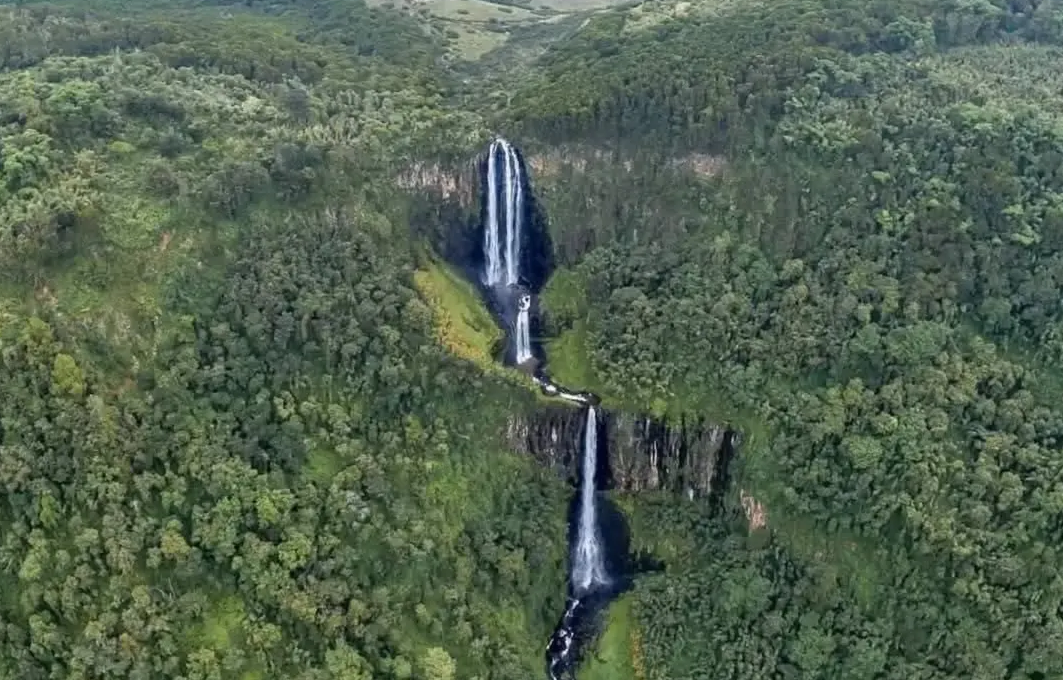
Karuru Falls (Aberdares)
Kenya's tallest waterfall in three breat...
Buffalo Springs (Buffalo Springs NR)
Life-giving natural springs in the arid...
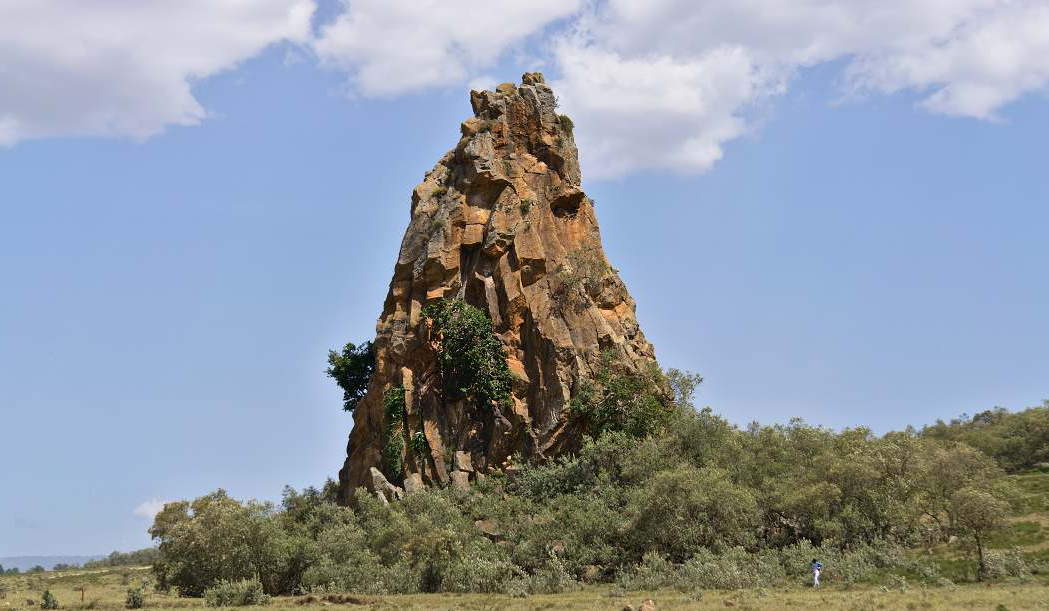
Fischer's Tower (Hell's Gate NP)
Iconic volcanic plug popular for rock cl...
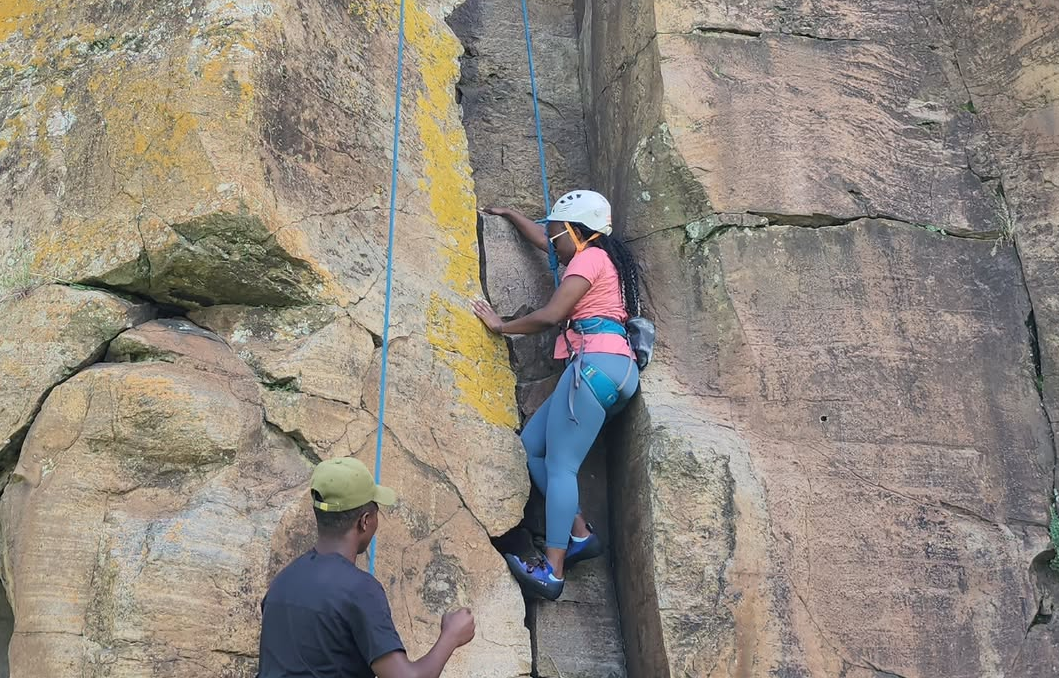
Central Tower (Hell's Gate NP)
Impressive rock tower offering climbing...
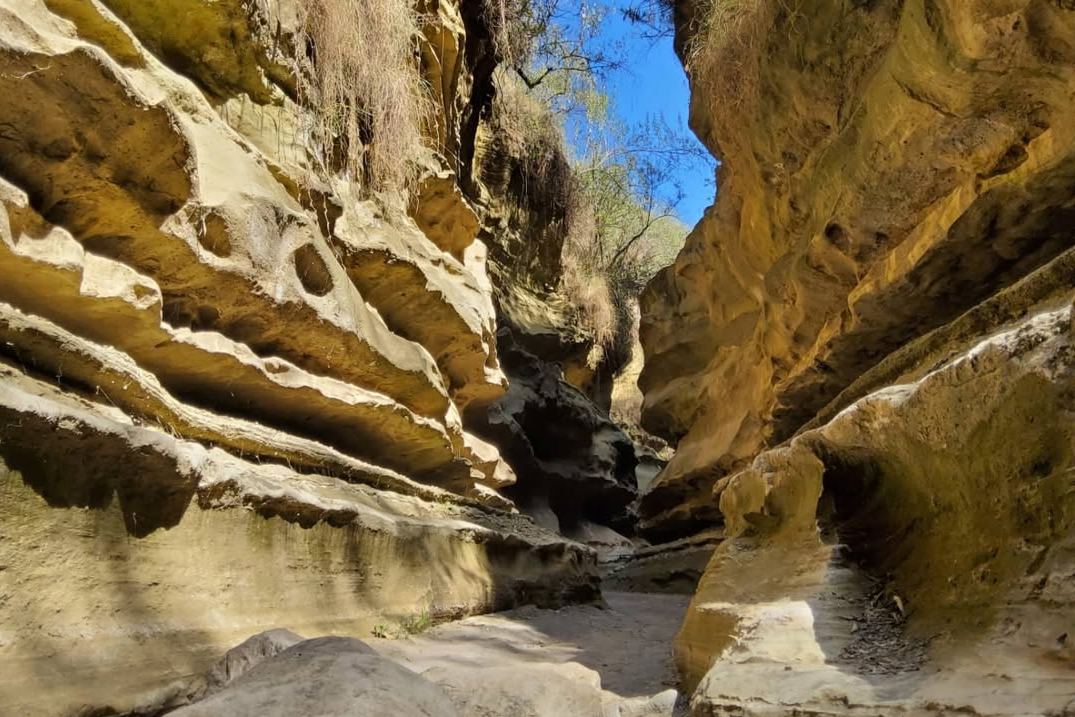
Ol Njorowa Gorge (Hell's Gate NP)
Dramatic gorge carved by ancient water f...
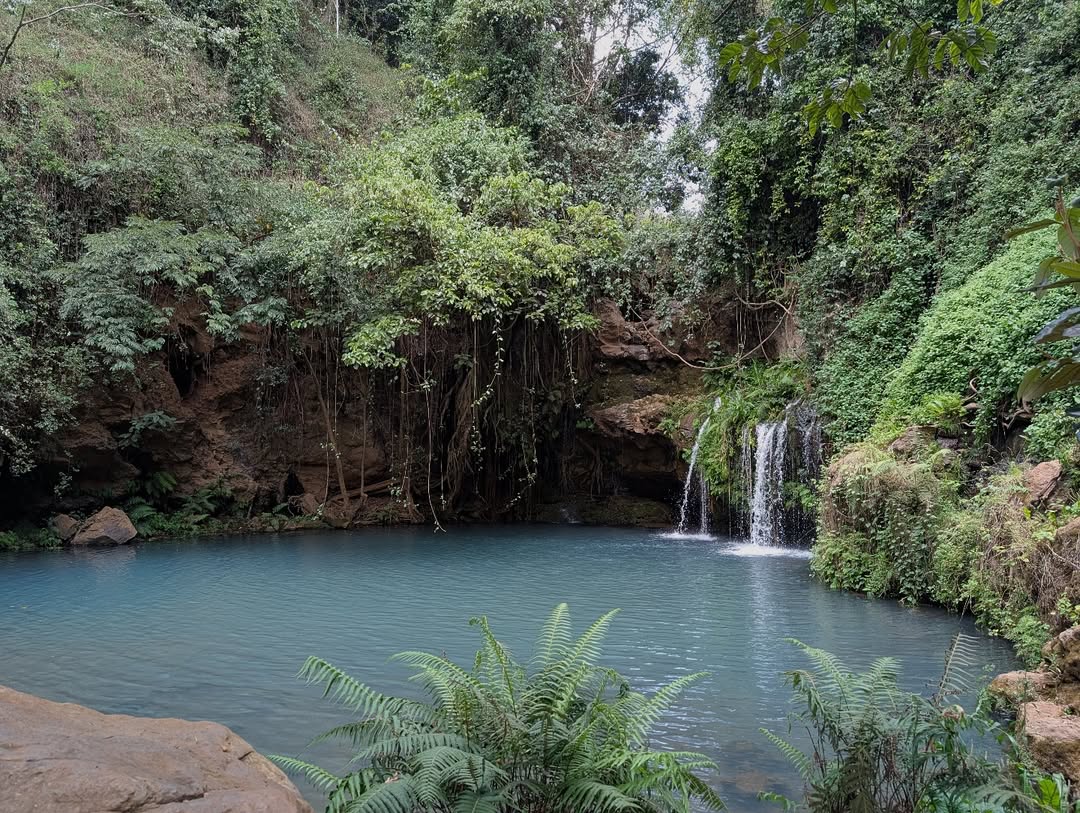
Ngare Ndare Forest
Thrilling canopy walk and pristine blue...