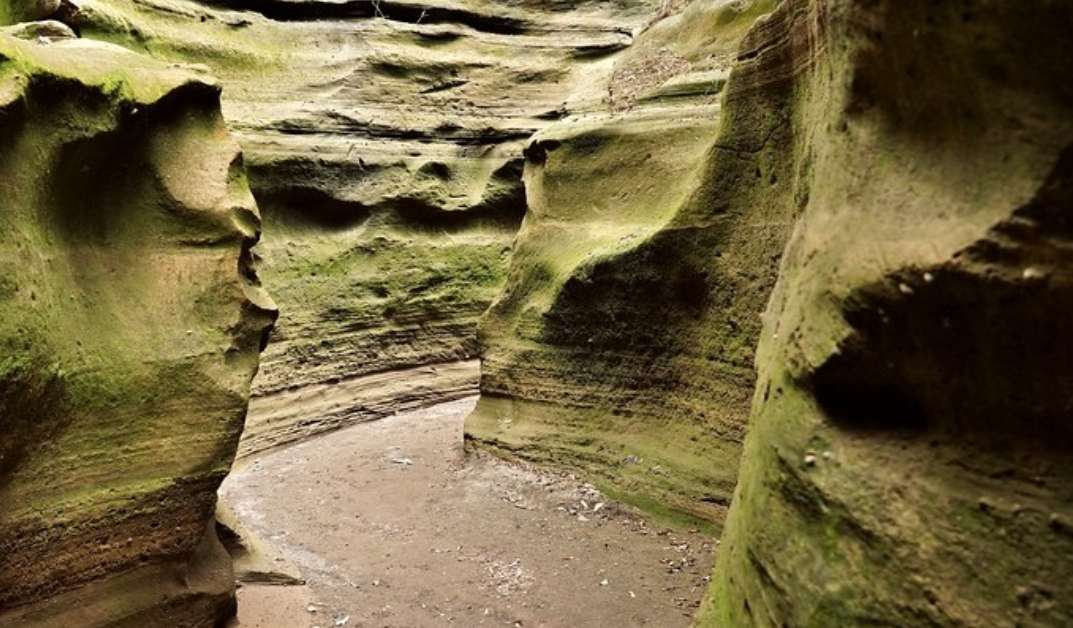
Ol Njorowa Gorge is a narrow canyon system located within Hell's Gate National Park in Kenya. This geological feature bisects the park floor. Formed by significant water erosion, its sheer-sided cliffs display clear volcanic and lacustrine strata.
The gorge provides one of the park's primary hiking and geological study routes. It offers a tangible record of the Great Rift Valley's hydrogeological history.
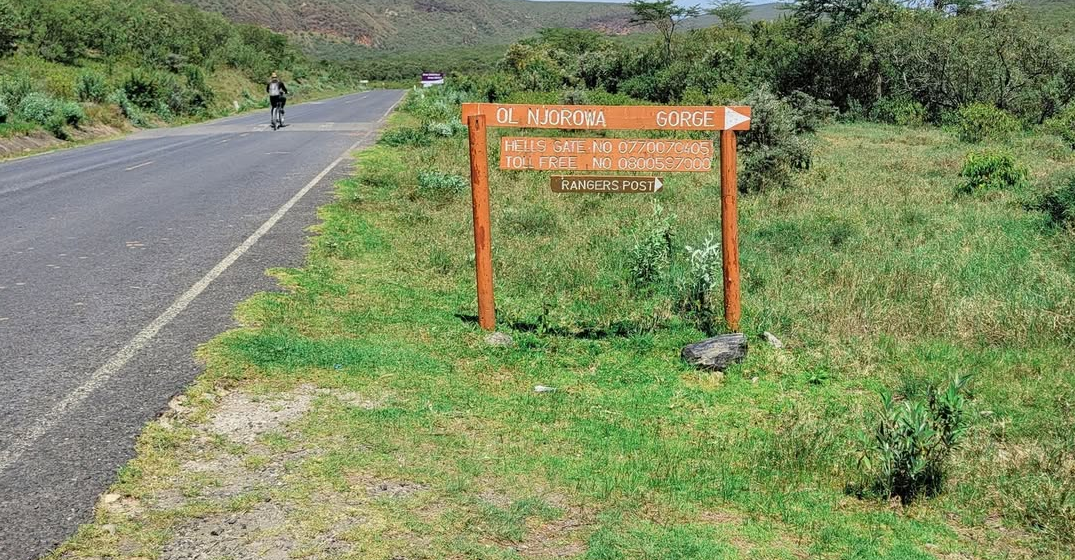
Geological Formations of Ol Njorowa Gorge in Hell's Gate National Park
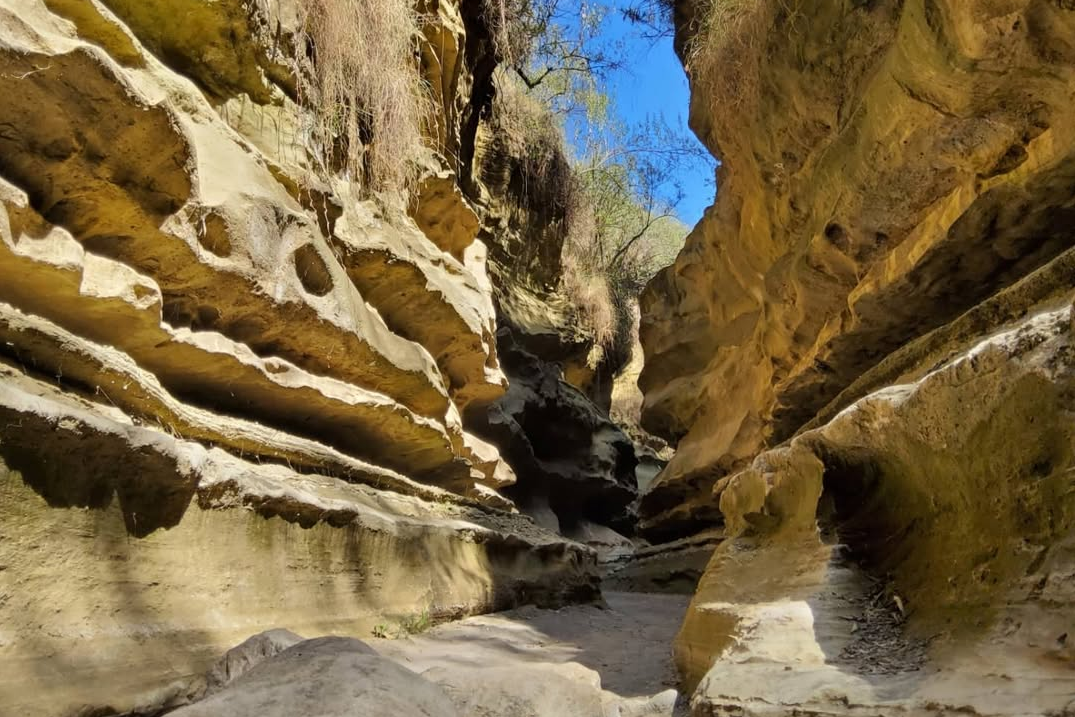
The formation of Ol Njorowa Gorge links directly to a prehistoric freshwater lake. This lake once inundated the Naivasha basin. The gorge formed as the primary outflow channel for this vast body of water.
Over millennia, the high-volume discharge eroded the relatively soft volcanic tuff and sedimentary deposits of the Rift Valley floor. This fluvial process carved the gorge's distinct features, including its high-walled cliffs and constricted passages.
Hikers today can observe these sedimentary layers in the canyon walls. These layers provide a clear cross-section of the region's geological past.
Geothermal Features within Ol Njorowa Gorge
The gorge's geological character includes persistent geothermal activity. A notable feature is the "Devil's Shower," a small waterfall where hot, sulphurous water streams down a rock face.
In certain sections of the canyon floor, warm water flows beneath the surface. Minor steam vents release vapour. This activity is a direct consequence of the thin crust and underlying volcanic systems that define the Hell's Gate area.
The nearby Olkaria Geothermal Power Station also utilises these geothermal resources.
Planning a Visit to Ol Njorowa Gorge in Hell's Gate National Park
Essential Information and Safety Guidelines for Ol Njorowa Gorge
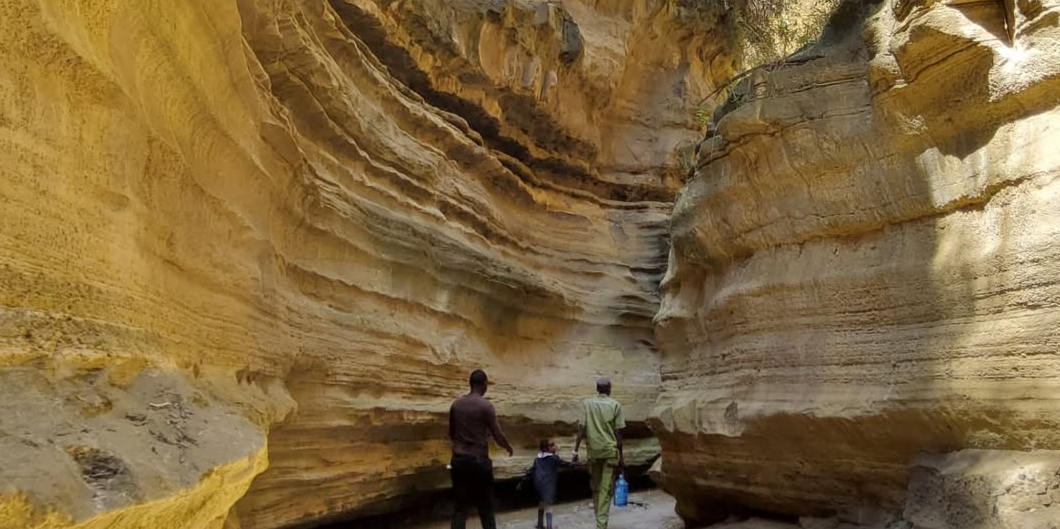
The principal hazard within Ol Njorowa Gorge is flash flooding. The canyon's topography allows it to fill with water rapidly. This often occurs with minimal warning from weather in the immediate vicinity.
This risk is elevated during Kenya's rainy seasons, typically March-May and October-December. Adherence to Kenya Wildlife Service (KWS) safety protocols is mandatory due to this specific danger.
Mandatory Guide Requirements for the Ol Njorowa Gorge Trek
Access to the Ol Njorowa Gorge trail system requires accompaniment by a KWS-certified guide. This is a mandatory safety requirement enforced at the gorge entrance.
Local guides receive training to identify early signs of potential floods. They possess intimate knowledge of the terrain. They are also aware of all safe exit routes. Guides are essential for navigation and safety compliance during the trek.
Essential Hiking Gear and Recommendations for Ol Njorowa Gorge
Appropriate footwear is critical for a safe trek through the gorge. The rock surfaces are frequently wet, smooth from erosion, and can be extremely slippery. Sturdy hiking shoes or boots with high-traction soles are required to maintain footing.
It is essential to carry a minimum of one litre of drinking water per person. The enclosed environment of the gorge can become hot and humid, increasing the risk of dehydration.
Sunscreen and a hat are also recommended for the more exposed sections of the trail.
Optimal Visiting Times for Ol Njorowa Gorge in Hell's Gate National Park
The optimal time to undertake the gorge hike is during the dry seasons, from June to October and January to February. A morning start is recommended to avoid peak afternoon heat. This also reduces the higher probability of convectional rainfall later in the day.
Park management and guides retain the authority to close the gorge to all visitors during periods of heavy rain. They may also close it when a high risk of flooding is assessed.
Ol Njorowa Gorge Hike Distance and Duration Details
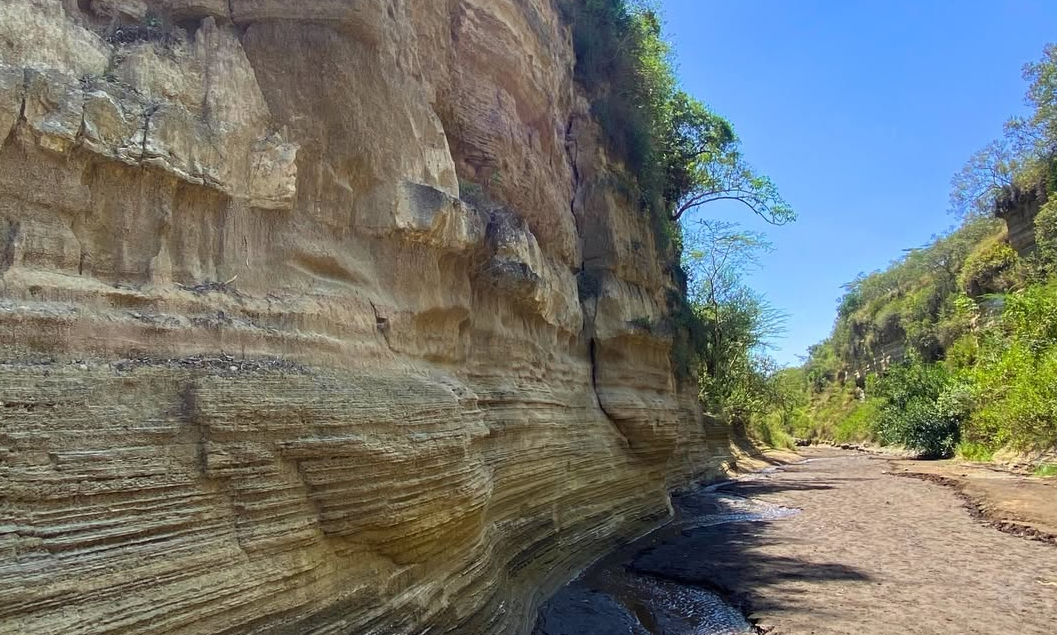
The standard one-way trail through Ol Njorowa Gorge covers a distance of approximately 4 to 6 kilometres. The duration of the hike is typically 2 to 3 hours. This is contingent on the group's pace and time spent at points of interest.
The route begins with a walk along the relatively flat and sandy floor of the upper gorge. It progresses into the lower gorge, a narrow slot canyon section often called 'Hell's Kitchen'.
This section involves light scrambling over rocks and navigating sections with flowing water. The trail concludes with a steep ascent via a designated exit path. This path may include carved footholds and rope assists for stability.
International Traveller Kenya eTA for Ol Njorowa Gorge Access
International visitors planning to visit Hell's Gate National Park must secure an Electronic Travel Authorisation (eTA) prior to their arrival in Kenya. The eTA system has replaced the previous visa-on-arrival and eVisa systems.
All non-citizen/non-resident travellers are required to apply for an eTA online. The standard processing time is approximately 72 hours. An eTA is mandatory for boarding flights to Kenya.
2026 Entry Fees and Costs for Ol Njorowa Gorge in Hell's Gate National Park
KWS Premium Park Rates for Hell's Gate National Park
Access to Ol Njorowa Gorge requires payment of the standard park entry fee for Hell's Gate National Park. The Kenya Wildlife Service classifies Hell's Gate as a Premium Park. The following table outlines the 2026 daily entrance fees, which are valid for a 24-hour period.
| Category | 2026 Daily Fee |
|---|---|
| Non-Resident Adult | USD 50 |
| Non-Resident Child/Student | USD 20 |
| East African Community (EAC) Resident Adult | KES 1,000 |
| East African Community (EAC) Resident Child/Student | KES 350 |
| Kenyan Citizen Adult | KES 1,000 |
| Kenyan Citizen Child/Student | KES 350 |
Mandatory Guide Fees for the Ol Njorowa Gorge Hike
In addition to park entry fees, a separate fee is payable directly to the KWS-certified guide. This fee is a mandatory requirement.
The standard rate for a guide ranges between KES 2,000 and KES 3,000 per group. The final cost is subject to group size and negotiation with the assigned guide at the gorge entrance.
Getting to Ol Njorowa Gorge in Hell's Gate National Park
Accessing Ol Njorowa Gorge via Elsa Gate
Ol Njorowa Gorge is located within the boundaries of Hell's Gate National Park. The primary entrance to the park is the Elsa Gate. This gate is situated on Moi South Lake Road, the main tarmac road that runs along the southern shore of Lake Naivasha.
Cycling and Driving Options to Ol Njorowa Gorge
The entrance to the Ol Njorowa Gorge trail is located several kilometres inside the park from the Elsa Gate. Visitors can drive their private vehicle directly to a designated car park at the head of the trail.
A popular alternative involves hiring bicycles from vendors situated just outside the Elsa Gate. Cycling through the park allows for wildlife viewing en route to the gorge entrance. The route from the gate to the gorge is well-signposted.
Directions to Ol Njorowa Gorge from Naivasha
Hell's Gate National Park is approximately 90 kilometres northwest of Nairobi. It is most easily accessed from the town of Naivasha.
From Naivasha town, take the Moi South Lake Road for approximately 20 kilometres. The clearly marked entrance to the Elsa Gate will be on the left-hand side of the road. The entire route from Nairobi to the park gate follows tarmac roads.
Ecology of Ol Njorowa Gorge in Hell's Gate National Park
Flora and Micro-ecosystems within Ol Njorowa Gorge
The gorge's sheltered, humid, and geothermally-influenced environment creates micro-ecosystems. These support specific flora not commonly found on the surrounding open plains.
The constant moisture and stable temperatures on the canyon floor allow for the growth of lush vegetation. These micro-habitats are particularly suitable for various fern species.
The Maidenhair Fern (*Adiantum capillus-veneris*) thrives on the damp, shaded rock faces within the gorge.
Botanical Adaptations to Geothermal Conditions in Ol Njorowa Gorge, Hell's Gate National Park
Certain plant species within the gorge exhibit adaptations to the geothermal conditions. Mosses and algae colonise the rock surfaces near the "Devil's Shower" and other warm water seeps. They demonstrate tolerance to higher temperatures and mineral content, particularly sulphur.
This specialised plant life contributes to the distinct ecology of the gorge system. It forms a sharp contrast to the semi-arid acacia scrubland that dominates the rest of the national park.
Wildlife Sightings around Ol Njorowa Gorge
The gorge itself is not a primary wildlife habitat. However, the areas surrounding its entrance and exit form part of the park's open plains. Visitors cycling or driving to the gorge frequently encounter common plains game.
These animals include Masai giraffe, plains zebra, warthog, eland, and Thomson's gazelle. Rock hyrax and troops of olive baboons are often sighted on the cliffs and rock formations near the gorge, such as Fischer's Tower.
Predators are present in the park. Their low density makes unescorted walking and cycling a permitted activity in these designated areas.
Book a Trip to Ol Njorowa Gorge (Hell's Gate NP)
Include Ol Njorowa Gorge (Hell's Gate NP) in your personalized Kenya safari itinerary and create unforgettable memories.
Plan My SafariMore Attractions
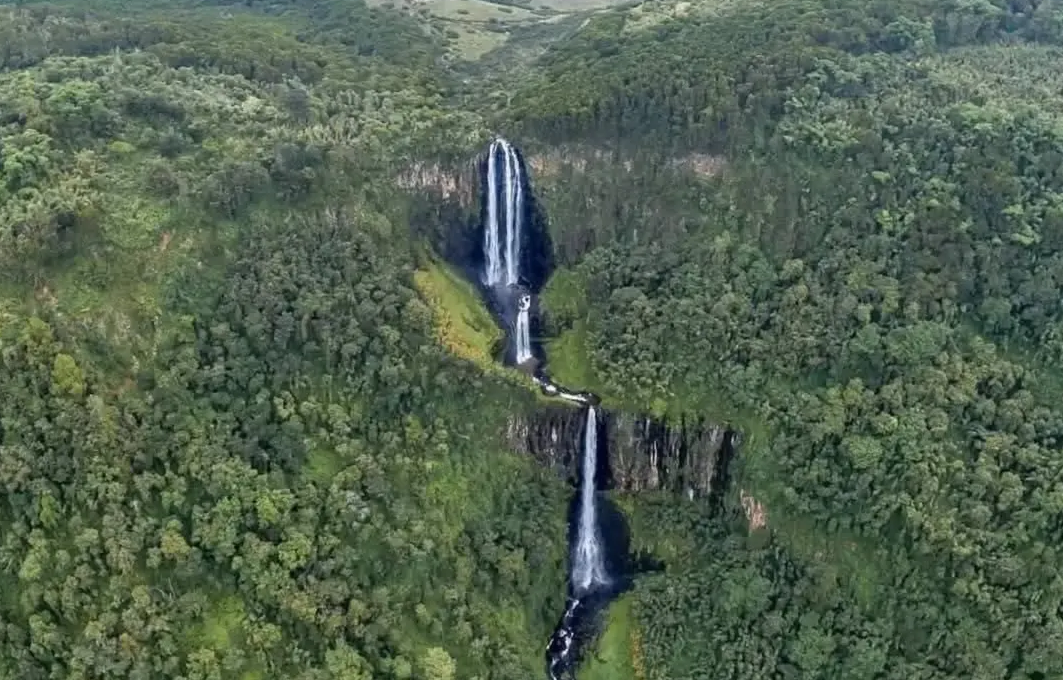
Karuru Falls (Aberdares)
Kenya's tallest waterfall in three breat...
Chania Falls (Aberdares)
Serene waterfalls cascading over rocky l...
Buffalo Springs (Buffalo Springs NR)
Life-giving natural springs in the arid...
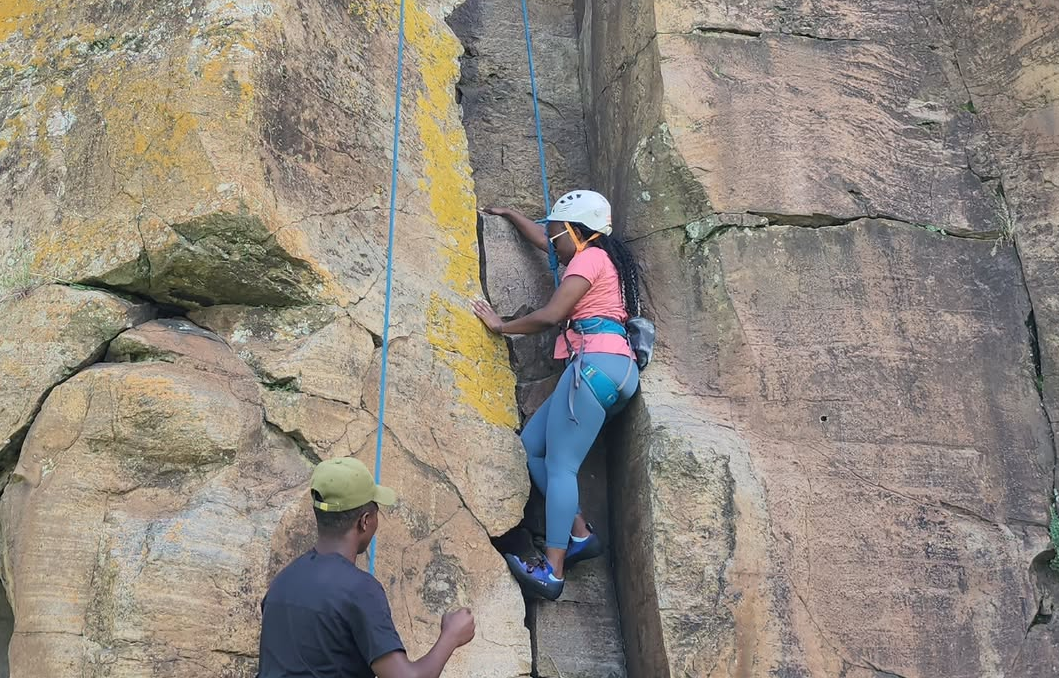
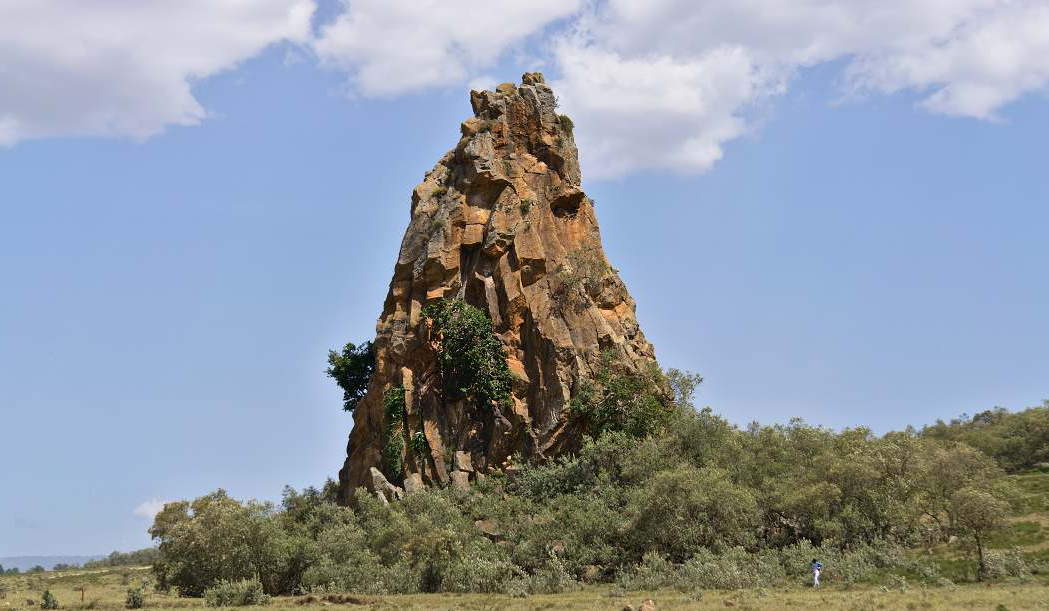
Fischer's Tower (Hell's Gate NP)
Iconic volcanic plug popular for rock cl...
Central Tower (Hell's Gate NP)
Impressive rock tower offering climbing...
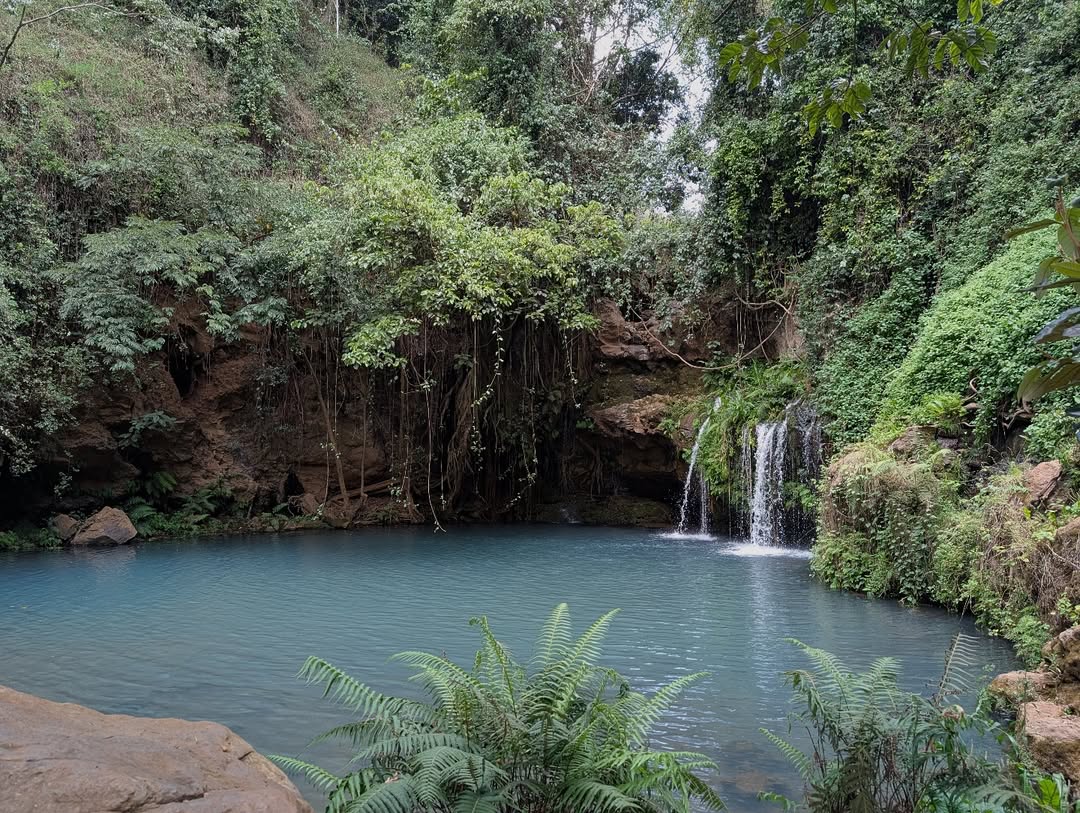
Ngare Ndare Forest
Thrilling canopy walk and pristine blue...