Ngare Ndare Forest is a high-canopy indigenous forest and community-run conservancy located in the northern foothills of Mount Kenya.
The forest serves as a critical wildlife corridor, connecting the Mount Kenya UNESCO World Heritage Site with the Lewa Wildlife Conservancy and other private reserves in the northern rangelands.

The Ngare Ndare Forest Community Conservancy Model
The Ngare Ndare Forest Trust is a functional model of community-based conservation, established as a partnership between the local community and adjacent landowners.
Revenue generated from tourism directly funds the salaries of local guides and rangers, supports anti-poaching operations, and finances community development projects in education and healthcare.
A visit to the forest provides direct financial support to this sustainable conservation initiative.
The Conservancy's Protected Area and Size
The conservancy covers an area of approximately 5,554 hectares (13,724 acres).
This protected land is essential for securing an ancient migratory route used by elephants, maintaining genetic diversity between populations on the mountain and the northern plains.
Ngare Ndare Forest Blue Pools
The most prominent feature of the forest is a series of waterfall pools formed by the Ngare Ndare River.
The water, originating from the glaciers of Mount Kenya, cascades over rock ledges to form clear, deep plunge pools.

The Distinctive Azure Colour of the Pools
The water in these pools is characterised by a distinct azure-blue and turquoise colouration.
This clarity and colour are a result of the water's purity and the high concentration of dissolved minerals it collects while filtering through the volcanic rock strata of Mount Kenya.
The Influence of Underlying Volcanic Geology
The geological foundation of the region, shaped by the volcanic history of Mount Kenya, directly influences the water chemistry.
The slow percolation of meltwater through porous volcanic rock enriches it with minerals that reflect blue and green wavelengths of light, producing the notable azure hue.
Swimming Opportunities in the Cold-Water Pools
The pools offer an opportunity for cold-water swimming.
The water temperature is exceptionally low due to its glacial origin.
The main waterfall and its large plunge pool are the designated location for this activity, accessible via a guided forest hike.
Ngare Ndare Forest Canopy Walk
Ngare Ndare Forest features a 450-metre-long canopy walk, one of the longest suspended walkways in East Africa.
The structure is engineered from wire mesh and steel cables and is suspended between the trunks of large, indigenous trees.

The Elevated Perspective of the Canopy Walk
The walkway rises from the forest floor to a maximum height of 10 metres (33 feet) above the ground, providing passage through the mid-canopy level of the forest.
The walk culminates at a large, wooden viewing platform built around a mature tree trunk.
Wildlife Observation from Elevated Views
This elevated position provides a perspective of the forest ecosystem typically accessible only to arboreal wildlife.
The final viewing platform overlooks a natural spring and waterhole, a frequent drinking spot for elephants and other forest mammals, allowing for unobtrusive wildlife observation.
Ngare Ndare Forest Wildlife
The forest's primary ecological function is to serve as a protected corridor for large mammal migration.
This protected status also supports a healthy resident population of various wildlife species.

Forest Elephants and Other Mammals
Elephants are the most significant users of the migratory corridor.
They move between the high-altitude forests of Mount Kenya and the lower savanna plains in search of resources.
Other mammals frequently recorded in the forest include bushbuck, waterbuck, and on occasion, leopard and buffalo.
Diverse Monkey Species
The forest canopy is inhabited by primate species, most notably the Black and White Colobus monkey and the Sykes' monkey.
Their presence is an indicator of a healthy forest ecosystem, and they are commonly sighted during hikes and from the canopy walk.
Birdlife Spotting Opportunities
Ngare Ndare is a recognised birding destination.
The forest hosts a variety of bird species, including Hartlaub's Turaco, African Green Pigeon, and various species of hornbills.
Guides are trained to identify species by their calls and plumage.
Ngare Ndare Forest Ecosystem
The conservancy protects a segment of indigenous montane forest, a habitat type that has become increasingly rare in the region due to agricultural encroachment.

Unique Indigenous Tree Species
The forest is dominated by species such as the East African Cedar (Juniperus procera), African Olive (Olea europaea subsp. cuspidata), and Podocarpus.
The guides provide information on the traditional medicinal uses of these and other plants found along the trails.
The Ngare Ndare River
The Ngare Ndare River is the central artery of the forest ecosystem.
Its year-round flow, fed by mountain catchments, sustains the forest and its wildlife, particularly during the dry seasons.
All guided hikes are structured around following the river's course to the main waterfalls.
Endemic Plants and Flora
In addition to the dominant tree species, the forest floor and riverbanks support a diverse understory of shrubs, ferns, and endemic flowering plants.
The guides, who are expert trackers from the local community, possess detailed knowledge of the forest's botany.
Ngare Ndare Forest Logistics and Planning
A visit to Ngare Ndare Forest requires advance planning to comply with the conservancy's management protocols, which are designed to minimise environmental impact and ensure visitor safety.

Optimal Seasons for Visiting Ngare Ndare
The dry seasons, from June to October and December to March, are optimal for visiting.
During these periods, forest trails are less muddy, and the water in the pools is at its clearest.
The wet seasons of April to May and November offer a lusher, greener forest but can present more challenging hiking conditions.
Required Advance Booking
All visits require advance booking through the official Ngare Ndare Forest Trust office.
Contact is made via email or telephone to arrange for a date, pay fees, and secure a mandatory guide.
Conservancy regulations specify that only booked, guided visits are allowed.
Travel Routes from Nanyuki and Lewa
Ngare Ndare Forest is located near Timau and is accessible from the primary hubs of Nanyuki, Lewa Wildlife Conservancy, and Borana Conservancy.
The journey involves travel on both tarmac and unpaved roads.
Road Conditions and 4x4 Access
Access to the main forest gate is via graded dirt roads.
A 4x4 vehicle is required to navigate these roads, especially during and after the rainy seasons when conditions can deteriorate.
Only 4x4 vehicles manage the roads to the conservancy.
Ngare Ndare Forest 2026 Entry Fees
All fees are managed by the community trust and are a direct contribution to conservation and operational costs.
Payments are required in advance at the time of booking, typically processed via the M-Pesa mobile money platform.
Adult Conservation Charges
A standard conservation fee is levied on all visitors entering the forest.
This fee covers the mandatory provision of a trained and armed community guide for the duration of the visit.
Canopy Walk Specific Fees
Access to the canopy walk is subject to an additional fee, charged per person.
This contributes to the specialised maintenance and safety inspections required for the suspended structure.
Conservancy Direct Rates
The following table outlines the direct rates for the main activities, valid for 2026.
Other activities such as canyoning, abseiling, or camping incur separate charges and must be arranged specifically during the booking process.
| Fee Category (2026 Rates) | Non-Resident (International) | East African Resident / Citizen |
|---|---|---|
| Conservation Fee (Adult) | USD $40 | KES 2,000 |
| Canopy Walk Fee (Per Person) | USD $10 | KES 1,000 |
Book a Trip to Ngare Ndare Forest
Include Ngare Ndare Forest in your personalized Kenya safari itinerary and create unforgettable memories.
Plan My SafariMore Attractions
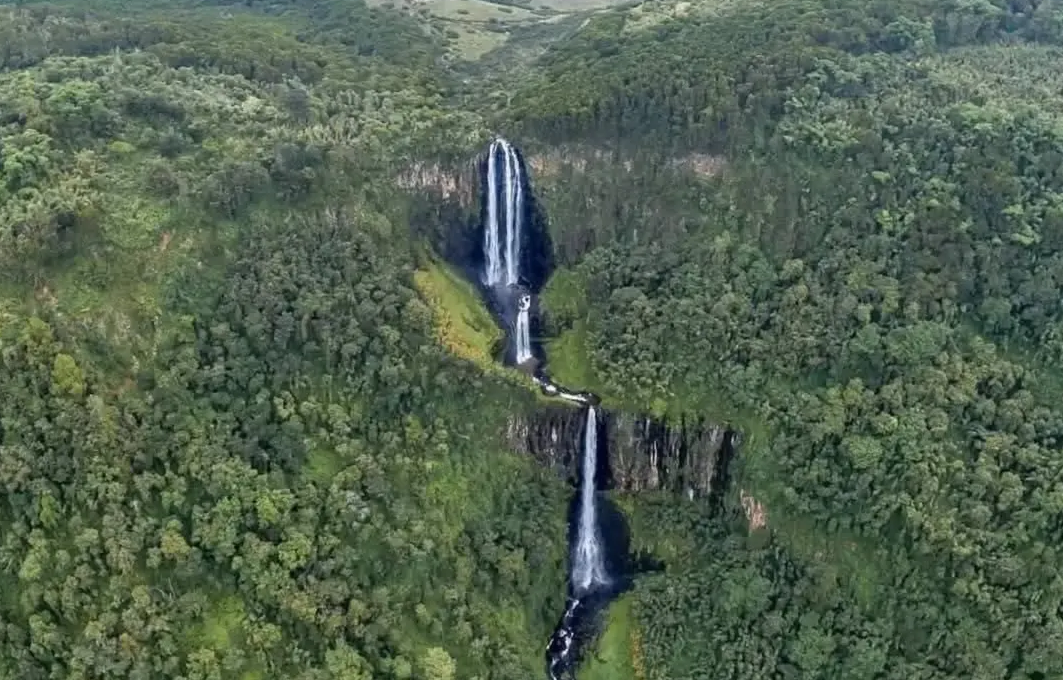
Karuru Falls (Aberdares)
Kenya's tallest waterfall in three breat...
Chania Falls (Aberdares)
Serene waterfalls cascading over rocky l...
Buffalo Springs (Buffalo Springs NR)
Life-giving natural springs in the arid...
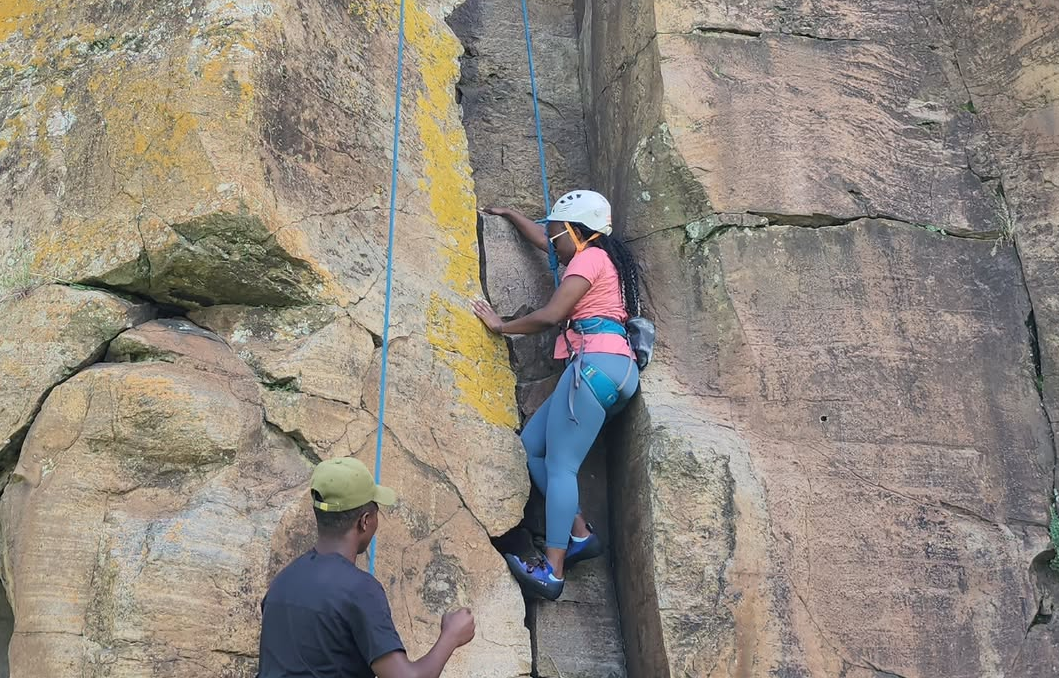
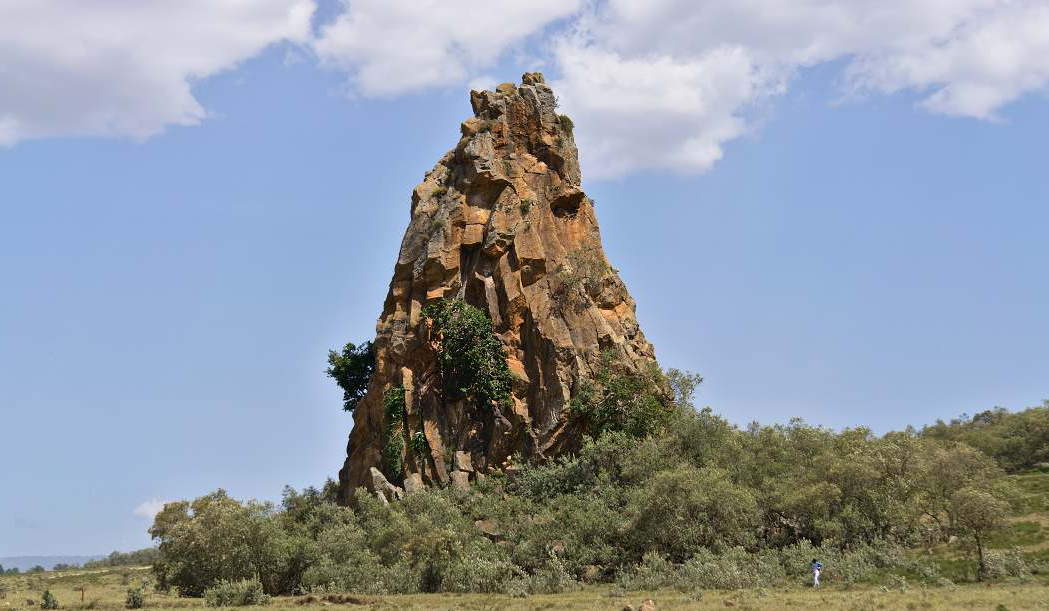
Fischer's Tower (Hell's Gate NP)
Iconic volcanic plug popular for rock cl...
Central Tower (Hell's Gate NP)
Impressive rock tower offering climbing...
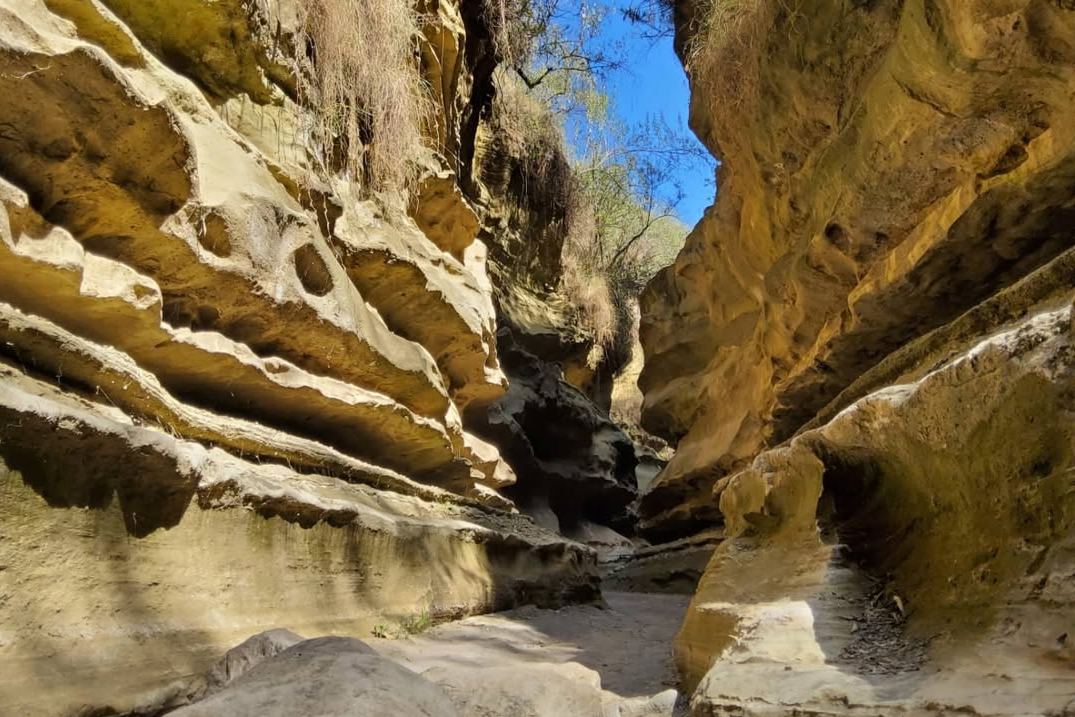
Ol Njorowa Gorge (Hell's Gate NP)
Dramatic gorge carved by ancient water f...