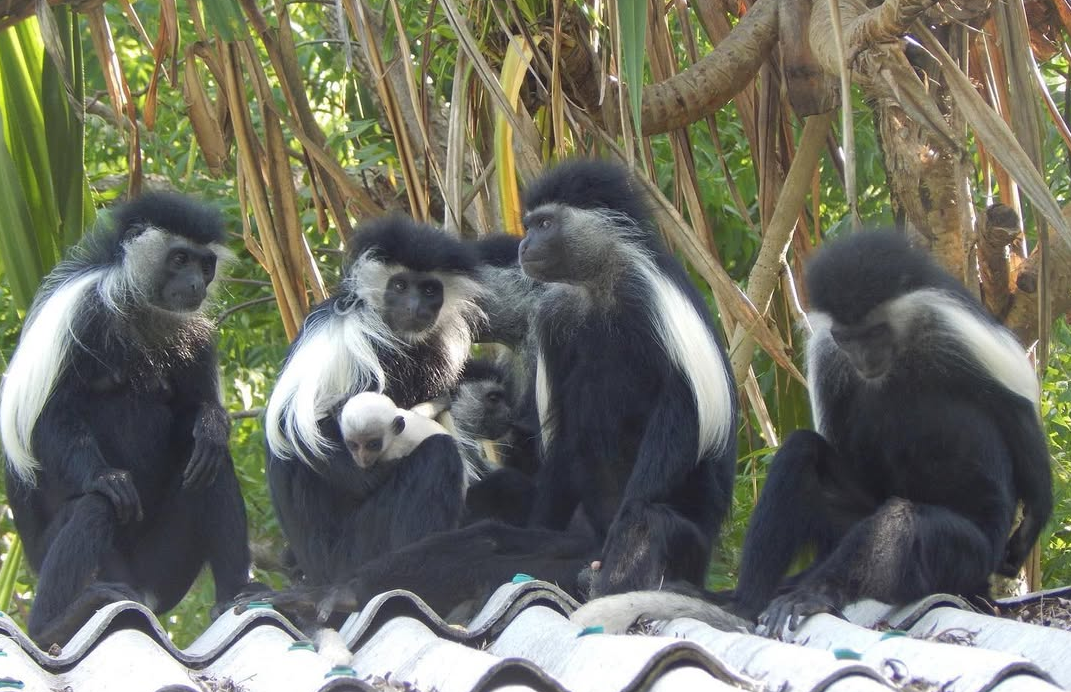
The Colobus Conservation Centre is a primate rescue and conservation facility located in the coastal town of Diani Beach, Kenya, dedicated to protecting the threatened Angolan colobus monkey.
This non-profit organization works to conserve the local primate species and their fragile coastal forest ecosystem through rescue, research, and education.
The Mission of the Colobus Conservation Centre
The Colobus Conservation Centre was established in 1997 to address the increasing threats facing local primate populations. Its primary mission is the conservation and protection of the Angolan colobus monkey and its coastal forest habitat.
The organization runs a comprehensive primate rescue and rehabilitation service, responding to calls for animals that are injured, orphaned, or kept illegally as pets. The ultimate goal is to provide medical care and rehabilitation so these animals can be released back into the wild.
A core part of the center's work involves mitigating the impact of human development. The main threats to the primates in Diani are habitat loss due to deforestation, electrocution on uninsulated power lines, and being struck by vehicles.
The center's programs are designed to address these specific challenges through direct action, community engagement, and educational outreach to promote a peaceful coexistence between humans and wildlife.
Primates You Can See at the Centre
The center is a sanctuary for several native primate species, offering visitors a chance to see them up close in a semi-wild environment. While the focus is on the Angolan colobus, the facility provides care for other local monkeys that share the same habitat and face similar threats.
The guided tours provide information on all the species found at the center.
The Angolan Colobus Monkey
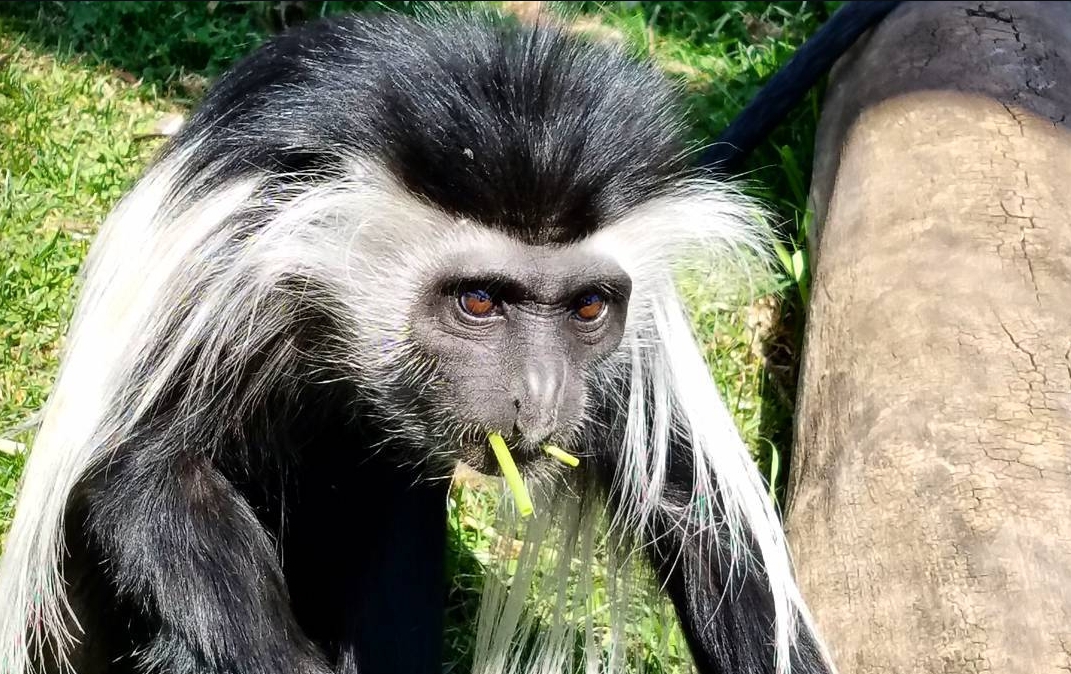
The main resident is the Angolan colobus monkey, a striking primate known for its black fur, long white mantle, and bushy white tail.
A habituated troop of these monkeys lives in the forest on the center's grounds, allowing visitors a unique opportunity to observe their natural behaviors.
They are the primary focus of the conservation efforts due to their threatened status in the region.
Other Resident Primate Species
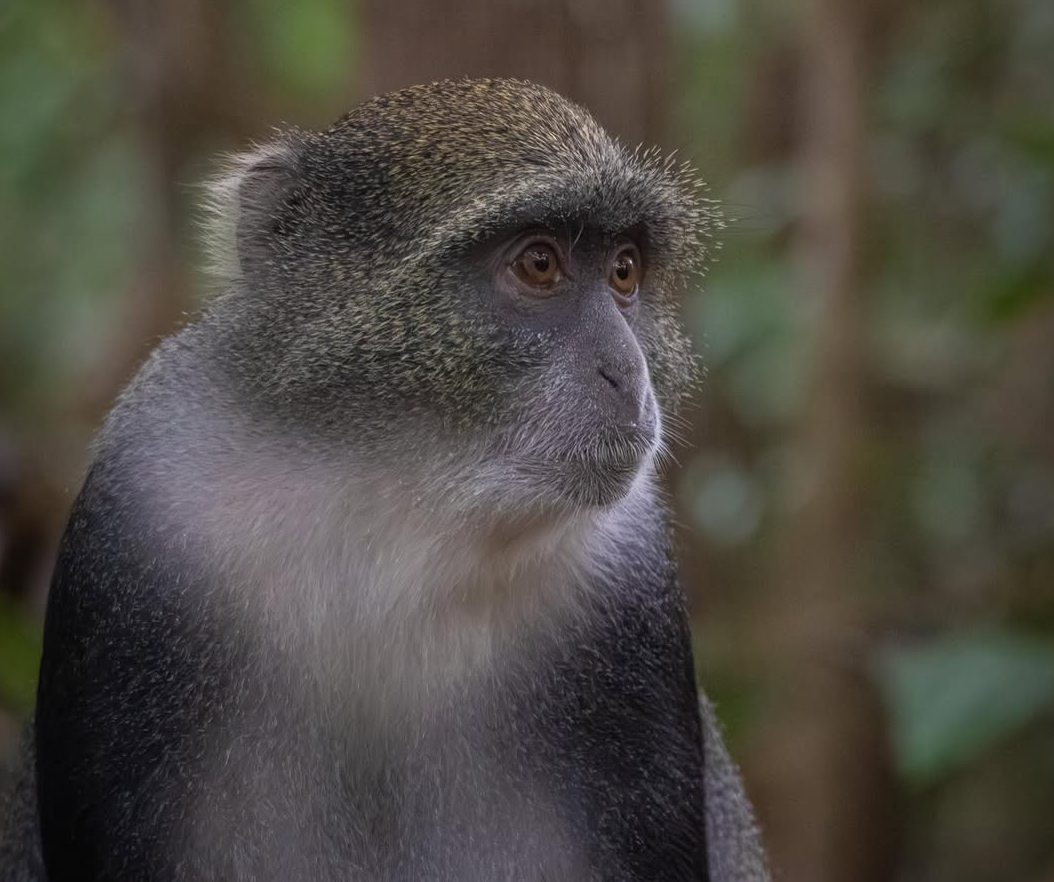
In addition to the colobus, visitors are likely to see other primate species that are native to the coastal forest. These include vervet monkeys, Sykes' monkeys, and baboons. Many of these animals have also been rescued and are undergoing rehabilitation at the center.
Seeing these different species helps visitors understand the biodiversity of the Diani forest ecosystem.
What to Expect on a Guided Eco-Tour at Colobus Conservation, Diani
The main activity for visitors at the Colobus Conservation Centre is a guided eco-tour. These tours are led by knowledgeable local guides who are experts on the primates and the coastal forest ecosystem.
The experience is primarily an informational walk along a dedicated nature trail that winds through the forest where the habituated Angolan colobus troop lives. This allows for opportunities to observe the monkeys in a natural setting.
During the tour, guides explain the behavior and social structure of the different primate species. They also point out the various indigenous trees and plants and their importance to the ecosystem.
Visitors will see the rehabilitation enclosures where rescued monkeys are cared for before they can be released. The tour provides a comprehensive overview of the center's conservation mission, the threats the animals face, and the specific actions being taken to protect them.
Innovative Conservation and Community Work
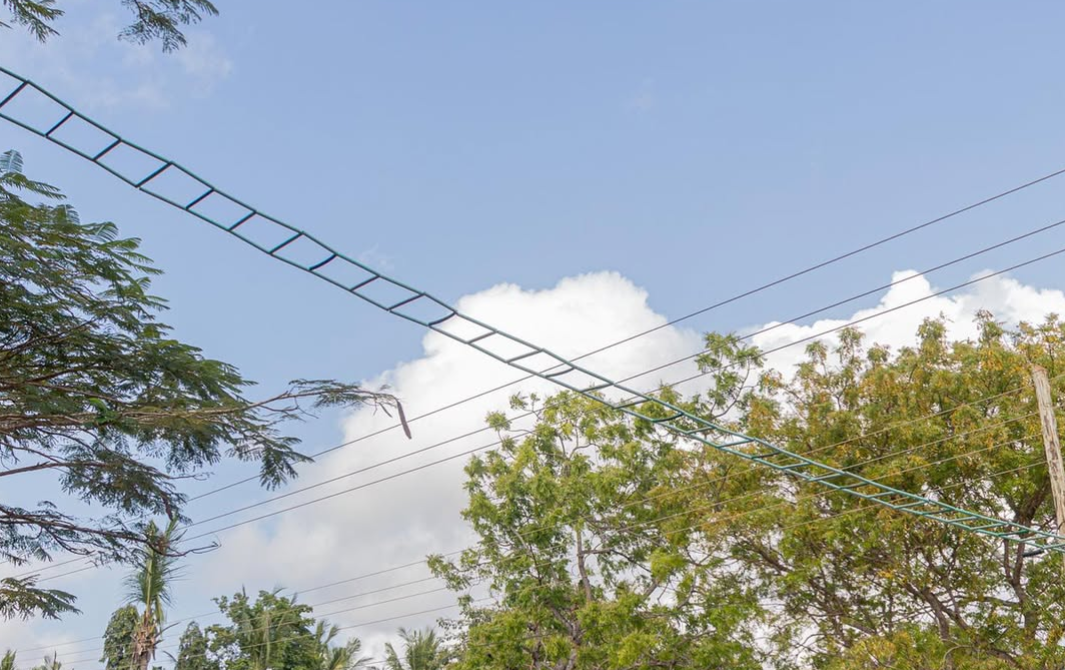
The Colobus Conservation Centre is well-known for its practical and innovative solutions to human-wildlife conflict. One of its most visible and successful projects is the construction and maintenance of "colobridges." These are rope ladder bridges, made from recycled materials, that are erected over the busy Diani Beach road.
The bridges provide a safe aerial pathway for monkeys to cross from one patch of forest to another, significantly reducing the number of road-related injuries and deaths.
The center also works directly with the local power company to insulate electrical wires in high-traffic primate areas, which helps to prevent electrocutions. Beyond these direct interventions, the organization is heavily involved in community outreach and habitat restoration.
They run education programs for local schools and communities to raise awareness about the importance of primate and forest conservation. They also manage a tree nursery and lead reforestation projects to help restore the fragmented coastal forest habitat that the monkeys depend on.
Planning Your Visit to the Colobus Conservation Centre
A visit to the center is an educational and supportive activity for travelers in the Diani Beach area. Planning is straightforward, as the facility is centrally located and designed to accommodate visitors with a structured tour program. It is a popular half-day excursion for those interested in wildlife and conservation.
Location and Getting There
The Colobus Conservation Centre is located on the main Diani Beach Road on the south coast of Kenya. Its central location makes it easily accessible from any hotel or residence in the Diani and Ukunda area.
The most common way to get to the center is by using local transport such as a taxi or a three-wheeled tuk-tuk, both of which are readily available throughout Diani.
Opening Hours and Entry Fees
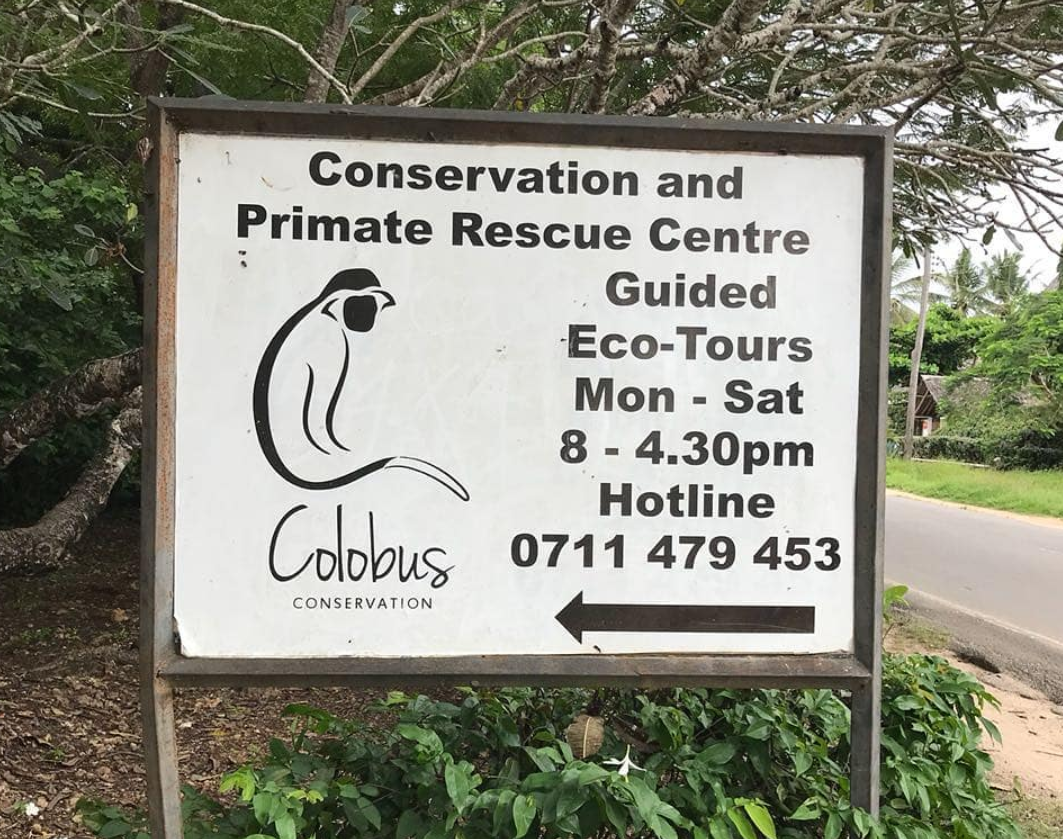
The center is open for guided eco-tours from Monday to Saturday, between 8:30 AM and 4:30 PM. It is typically closed on Sundays. As a non-profit organization, the entry fee is a direct donation to support their conservation work.
The fee structure is based on residency, and it is always a good practice to check their official website for the most current rates as they can change. The approximate fees are as follows:
| Fee Category (KES) | Non-Resident (International) | East African Resident / Citizen |
|---|---|---|
| Adult Fee | Ksh 750 | Ksh 250 |
| Child Fee | Ksh 250 | Ksh 200 |
Volunteer Opportunities
For those looking for a more immersive experience, the Colobus Conservation Centre offers a volunteer program. This program is designed for individuals interested in gaining hands-on experience in primate conservation and research.
Volunteers typically commit for a longer period and get involved in various aspects of the center's daily operations, including animal care, research, and community education. More information is available directly through the center's official channels.
The Importance of Ecotourism for Conservation
A visit to the Colobus Conservation Centre is a direct form of ecotourism. As a non-profit, non-governmental organization, the center relies heavily on the revenue generated from visitor entry fees and private donations to fund its operations.
Every ticket purchased contributes directly to the costs of running the primate rescue and rehabilitation programs, including veterinary care, food, and enclosure maintenance.
This funding model ensures that the center's work is sustainable. The money is also invested back into the community and environment through the funding of conservation initiatives like the colobridge program, reforestation efforts, and local education campaigns.
By choosing to visit, tourists actively participate in the protection of Diani's primates and their coastal forest habitat, making their visit a meaningful contribution to local conservation.
Book a Trip to Colobus Conservation Centre
Include Colobus Conservation Centre in your personalized Kenya safari itinerary and create unforgettable memories.
Plan My SafariMore Attractions
Karuru Falls (Aberdares)
Kenya's tallest waterfall in three breat...
Chania Falls (Aberdares)
Serene waterfalls cascading over rocky l...
Buffalo Springs (Buffalo Springs NR)
Life-giving natural springs in the arid...
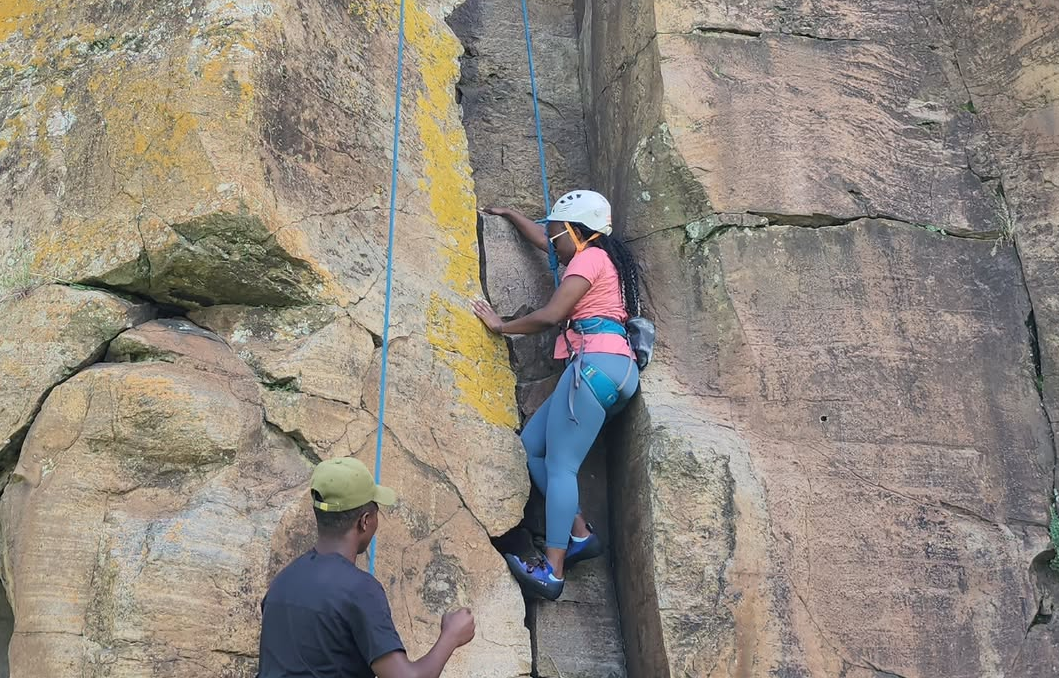
Fischer's Tower (Hell's Gate NP)
Iconic volcanic plug popular for rock cl...
Central Tower (Hell's Gate NP)
Impressive rock tower offering climbing...
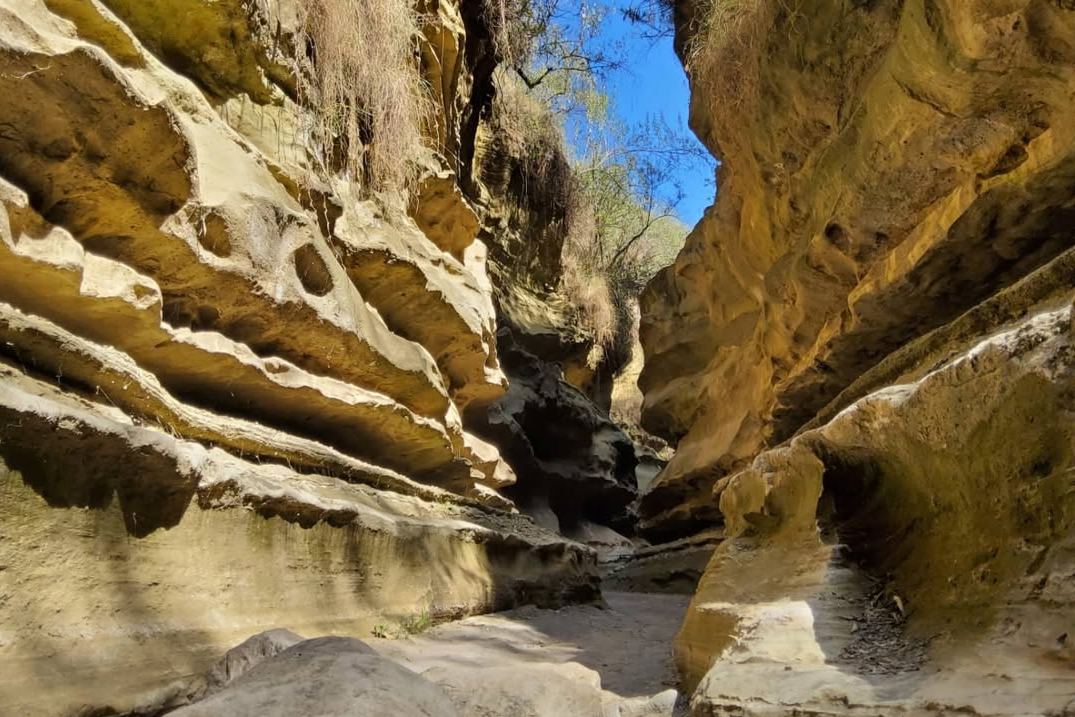
Ol Njorowa Gorge (Hell's Gate NP)
Dramatic gorge carved by ancient water f...