Crater Lake Game Sanctuary is a private wildlife conservancy located near Lake Naivasha.
It is established within a small, extinct volcanic crater.
The sanctuary's core feature is its jade-green alkaline lake.
Its primary activity is the guided walking safari, which allows close, on-foot encounters with non-predatory wildlife in a fenced and secure environment.
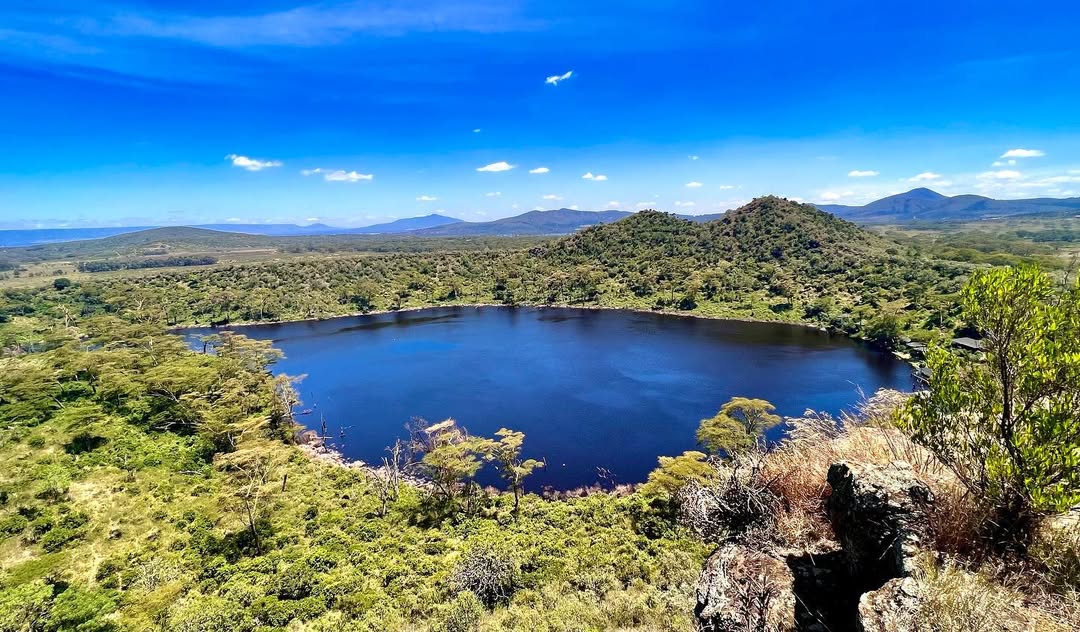
Geological Features of Crater Lake
The sanctuary is defined by its geology.
The crater is a post-caldera feature, a small maar-type volcano that formed thousands of years ago.
Its steep, enclosed walls create a distinct, self-contained ecosystem.
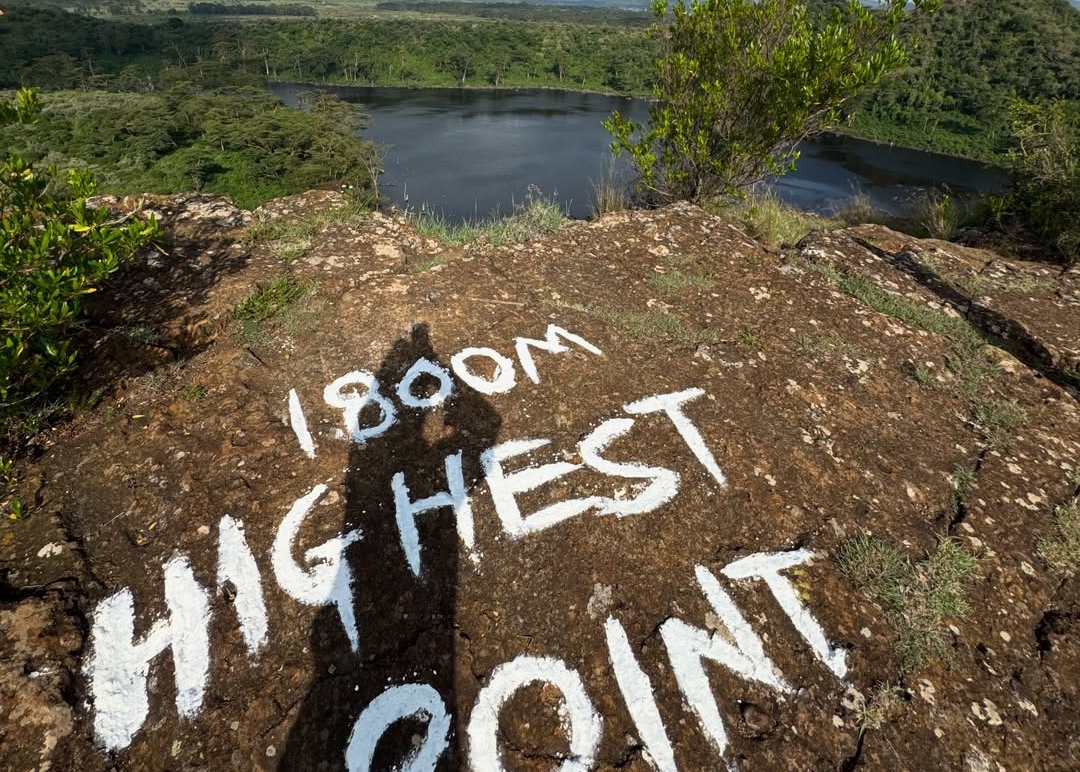
The crater rim provides elevated viewpoints across the lake floor and the surrounding Great Rift Valley.
Colouration of Crater Lake's Waters
The lake's distinctive jade-green or turquoise colour is its most notable characteristic.
This colouration is not caused by mineral sediments.
Instead, it results from a high concentration of specific algae, likely of the Arthrospira genus.
This algae flourishes in the water's high salinity and alkalinity.
The water level and colour intensity can fluctuate depending on seasonal rainfall.
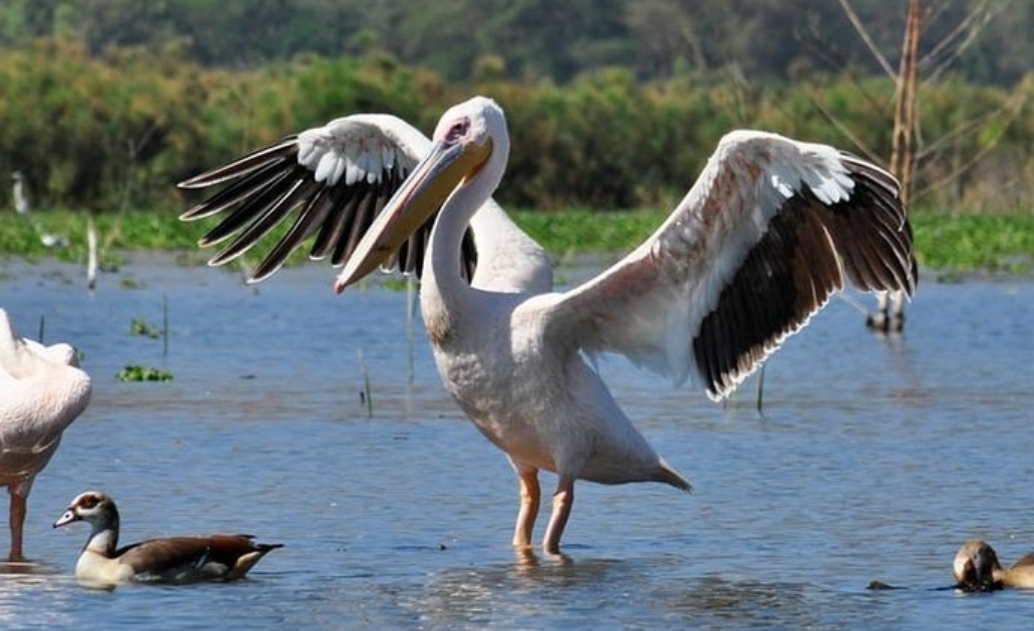
This alkaline environment regularly supports large congregations of lesser and greater flamingos.
These birds filter-feed on the algae and crustaceans, creating a clear visual contrast of pink against the green water.
Wildlife and Ecosystem at Crater Lake Sanctuary
The sanctuary's fenced perimeter and absence of large predators, such as lions or leopards, allows for a high density of plains game and other species.
The animals are highly habituated to human presence on foot.
This allows for unusually close and safe observation during guided walks.
Flora Species within Crater Lake Sanctuary
The crater walls are covered in a dense woodland.
This woodland is dominated by the Yellow Fever Tree (Vachellia xanthophloea).
This prominent acacia, with its distinctive yellow-green bark, forms the primary habitat for the sanctuary's forest-dwelling species.
The grasslands on the crater floor consist of various native grass species.
These support the grazing animals.
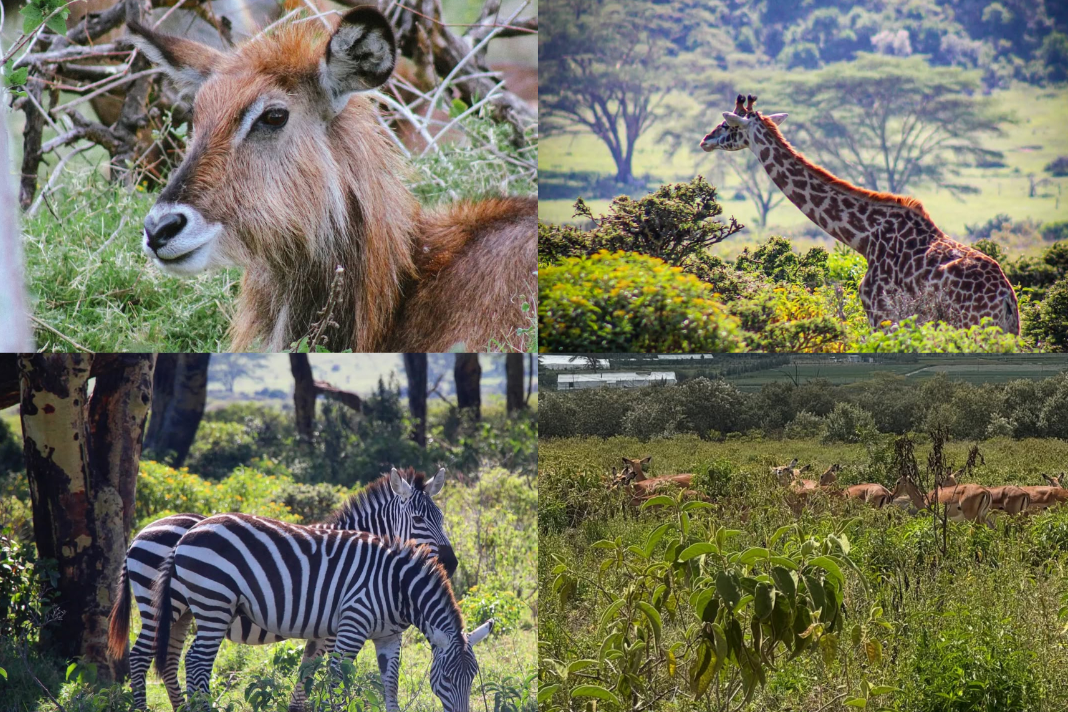
Key Fauna Species within Crater Lake Sanctuary
The sanctuary supports a varied mix of herbivores and primates, alongside a notable bird population of over 170 recorded species.
- Plains Game: Herds of Plains Zebra (Equus quagga), Masai Giraffe (Giraffa camelopardalis tippelskirchi), Cape Buffalo (Syncerus caffer), Eland (Taurotragus oryx), and Warthog (Phacochoerus africanus) are frequently sighted on the crater floor.
- Forest Dwellers: The acacia forest is a key habitat for the Black-and-White Colobus Monkey (Colobus guereza), identifiable by its long white mantle. Vervet Monkeys and Olive Baboons are also present.
- Nocturnal Animals: Night game drives provide opportunities to spot elusive species such as the Aardvark, Serval, and various genet and mongoose species.
- Avifauna: Beyond flamingos, the lake and woodland attract numerous bird species. The African Fish Eagle is often seen, and the forest is populated with sunbirds, weavers, and fire finches.
Conservation and Sustainability Efforts at Crater Lake Sanctuary
As a private entity, Crater Lake Game Sanctuary operates on a conservation model.
This model is funded by tourism revenue.
This approach allows for active habitat management and security for the wildlife within its fenced perimeter.
The sanctuary's policies, such as mandatory guides for all walkers, minimise human impact on the ecosystem and ensure animal welfare.
Responsible Tourism Guidelines for Crater Lake Sanctuary
To maintain the ecosystem's integrity and ensure the safety of both visitors and wildlife, all individuals entering the sanctuary must adhere to strict guidelines.
These guidelines include staying on designated trails and maintaining a respectful distance from all animals, as advised by the guide.
Visitors must also refrain from feeding any wildlife and adhere to a strict "leave no trace" policy for all waste.
History and Establishment of Crater Lake Sanctuary
Crater Lake Game Sanctuary was established as a private conservation area.
Its purpose is to protect the distinct volcanic crater and its resident wildlife.
The development focused on low-impact tourism.
The guided walking safari was instituted as the signature experience.
This approach utilised the absence of dangerous predators to offer a safe, on-foot safari.
Such an experience is rare in Kenya's major parks.
The on-site Crater Lake Camp was developed to provide accommodation that integrates directly with the natural environment.
Planning a Visit to Crater Lake Sanctuary
Logistical planning for Crater Lake Sanctuary is direct.
This is due to the sanctuary's accessibility from Naivasha town and its clear operational structure.
Optimal Seasons for Visiting Crater Lake
Crater Lake is a year-round destination.
Conditions vary by season.
The dry months (June-October and January-February) offer the most reliable wildlife viewing with clear skies.
The rainy seasons (April-May and November) transform the landscape into a lush green.
This creates scenic views, though trails can be muddy.
Birdwatching is exceptional year-round.
It is enhanced by the presence of migratory species between November and April.
Accessing Crater Lake Sanctuary
The sanctuary is located approximately 10 kilometres from Naivasha town.
Access is via the Moi South Lake Road.
The turn-off is clearly marked.
The final few kilometres of the approach road are unpaved gravel.
Sanctuary staff maintain this section.
It remains accessible for standard two-wheel-drive vehicles in all but the most extreme wet conditions.
Crater Lake Sanctuary Entry Fees 2026
As a private sanctuary, Crater Lake sets its own entry fees.
These are separate from Kenya Wildlife Service (KWS) park rates.
The fee includes the mandatory service of a local guide for the walking safari.
Rates are subject to change.
Verification prior to travel is recommended.
| Fee Category | Non-Resident Rate | East African Resident / Citizen Rate |
|---|---|---|
| Adult Entry & Guided Walk | USD $25 | KES 700 |
| Child Entry & Guided Walk | USD $10 | KES 500 |
Note: Fees are per person and are accurate for 2026 but may be adjusted by sanctuary management.
Accommodation Options at Crater Lake Sanctuary
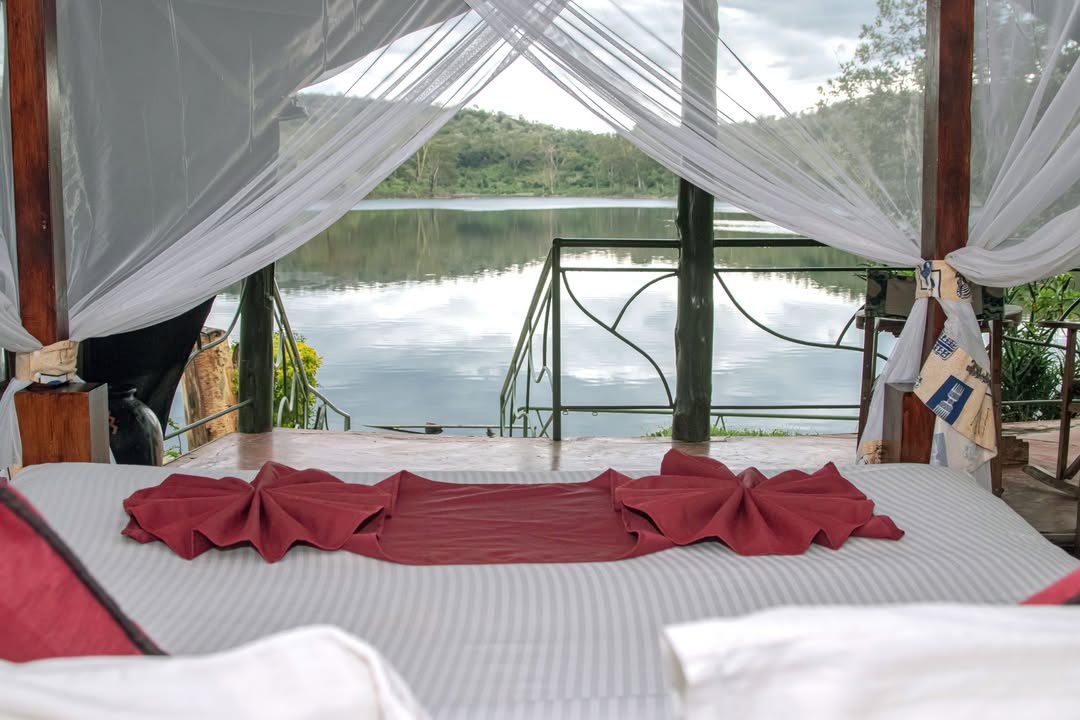
The Crater Lake Camp is the primary accommodation.
This is a luxury tented camp situated within the sanctuary.
Staying at the camp allows visitors to observe wildlife frequently from the camp grounds.
Wildlife often moves through the unfenced camp area.
The camp also provides direct access to activities such as night game drives and early morning bird walks.
Activities and Experiences at Crater Lake Sanctuary
The sanctuary offers a focused set of activities.
These activities utilise its distinct geography and private status.
- Guided Walking Safaris: This is the core activity. A mandatory guide leads a 1-2 hour walk on trails such as the Crater Rim Circuit. This walk provides panoramic views before descending to the lake shore.
- Night Game Drives: These drives are permitted due to the sanctuary's private status. They use spotlights to find nocturnal species not seen during the day.
- Bird Watching: Specialised birding walks can be arranged with guides expert in identifying the 170+ local and migratory species.
- Sundowners: Drinks and snacks can be arranged at designated viewpoints along the crater rim. These offer an elevated perspective of the lake and the Rift Valley at sunset.
Location
Book a Trip to Crater Lake (Naivasha)
Include Crater Lake (Naivasha) in your personalized Kenya safari itinerary and create unforgettable memories.
Plan My SafariMore Attractions
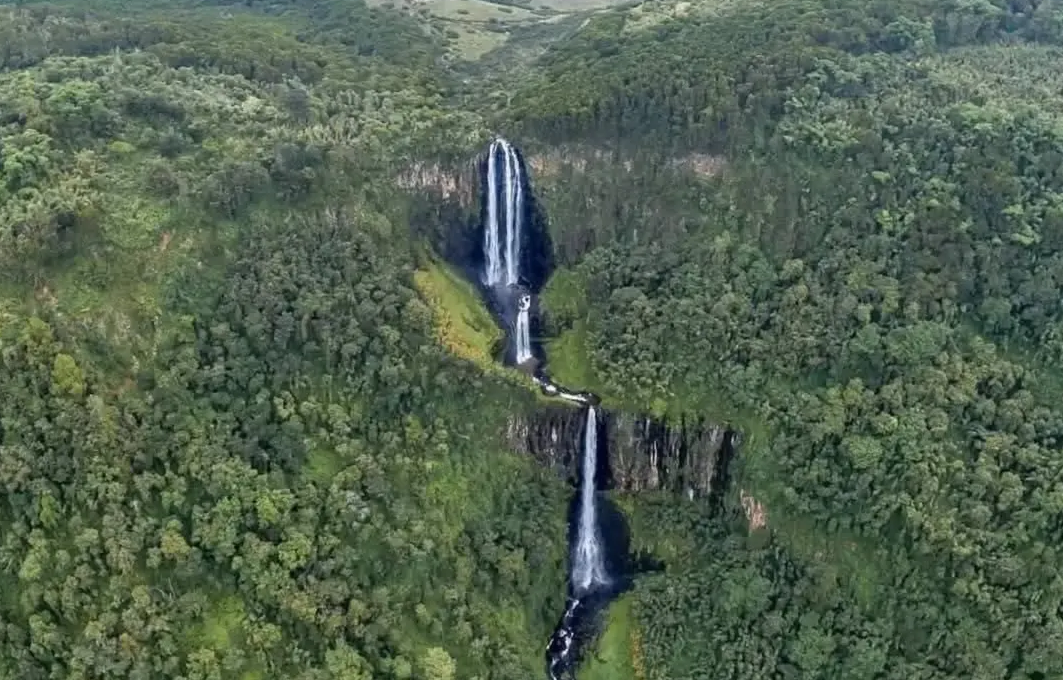
Karuru Falls (Aberdares)
Kenya's tallest waterfall in three breat...
Chania Falls (Aberdares)
Serene waterfalls cascading over rocky l...
Buffalo Springs (Buffalo Springs NR)
Life-giving natural springs in the arid...
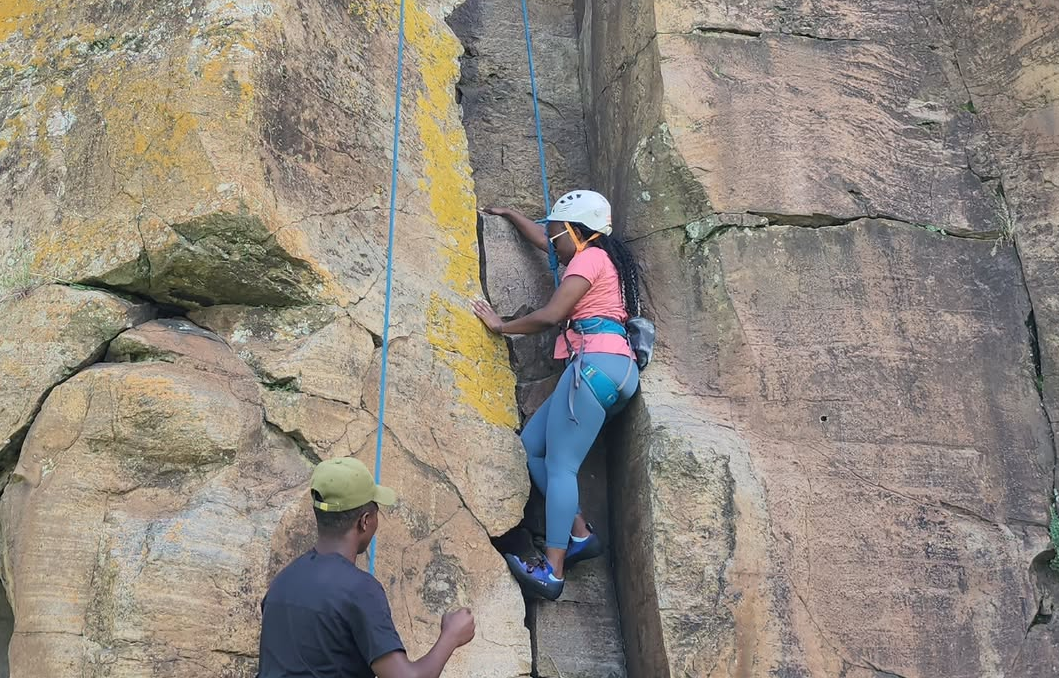
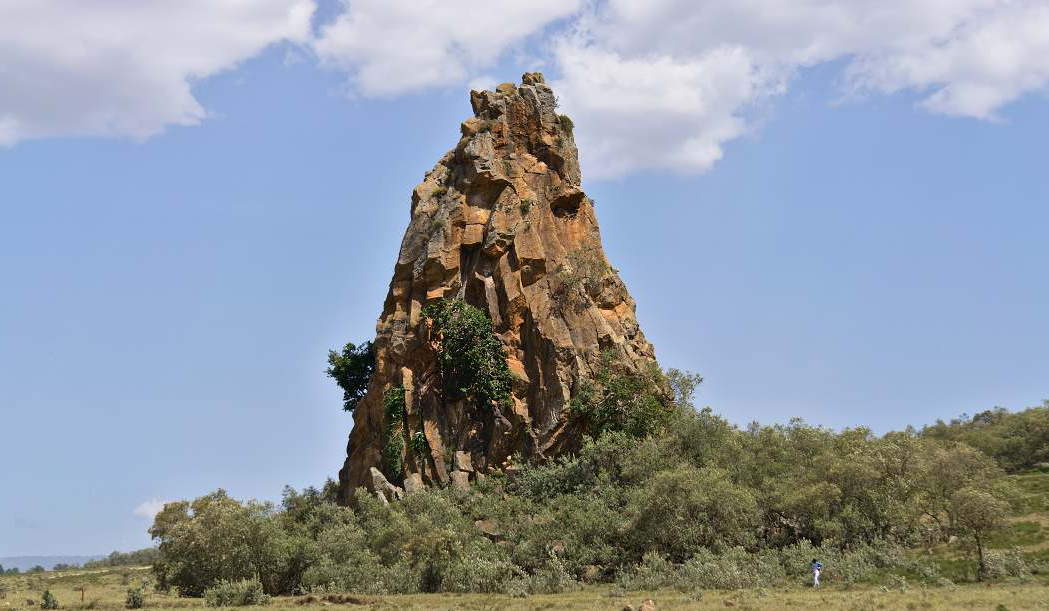
Fischer's Tower (Hell's Gate NP)
Iconic volcanic plug popular for rock cl...
Central Tower (Hell's Gate NP)
Impressive rock tower offering climbing...
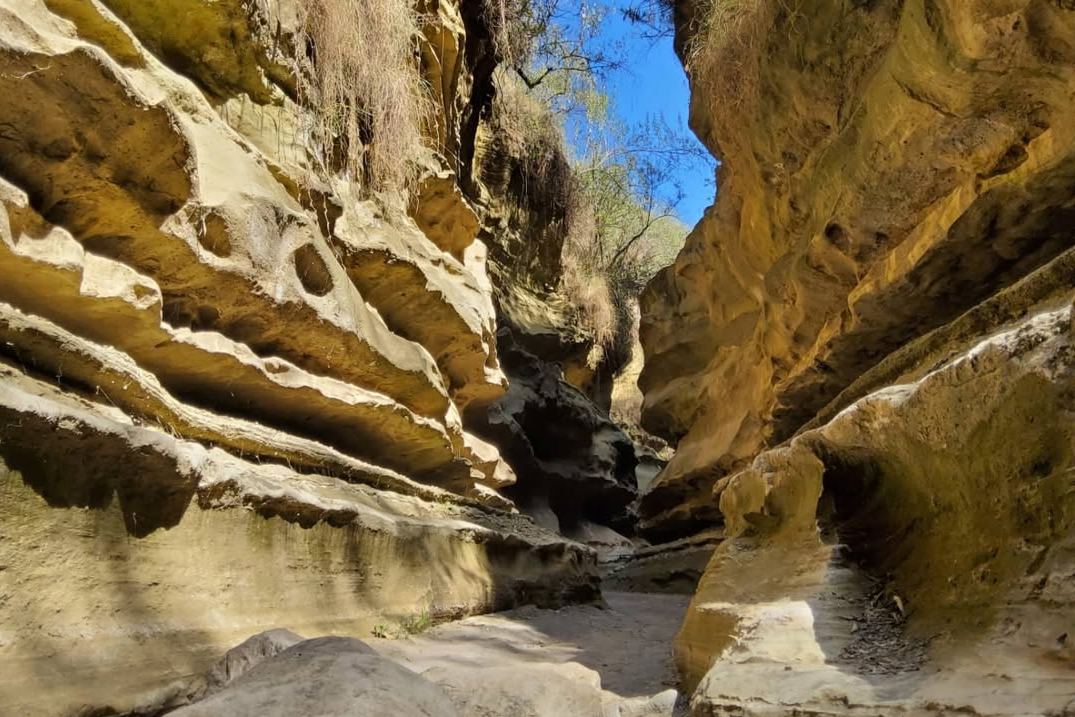
Ol Njorowa Gorge (Hell's Gate NP)
Dramatic gorge carved by ancient water f...