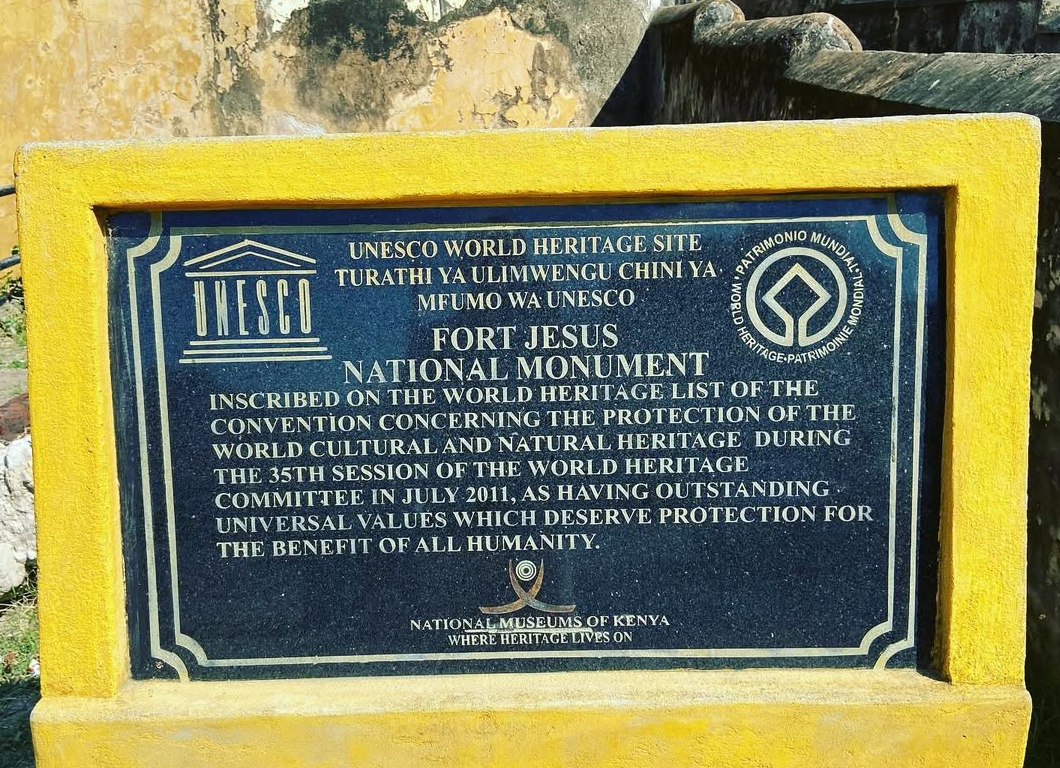
Fort Jesus is a vast, 16th-century Portuguese military fortress that stands guard over the Old Port of Mombasa, Kenya. Recognized as a UNESCO World Heritage Site, this imposing structure is a masterclass in Renaissance military design and serves as a powerful, tangible record of the turbulent history of the East African coast.
A Fortress Built in the Shape of a Man
One of the most remarkable features of Fort Jesus is its design. It was designed by a Milanese architect, Giovanni Battista Cairati, and its layout is a prime example of Renaissance military architecture.
When viewed from above, the fort is shaped to resemble a person lying on their back, a concept rooted in the Renaissance ideal that the human form represented perfect proportions. This design was not just symbolic; it was also highly functional for defense.
The fort's layout includes five main bastions, or projecting parts of the fortification. The four corner bastions are named after saints: St. Felipe, St. Alberto, St. Mathias, and St. Mateus. The fifth, the main central bastion overlooking the sea, protected the main gate.
This design ensured there were no blind spots, allowing defenders on the walls to cover every angle of approach with their cannons and guns, making it a formidable structure to attack.
A History of Sieges and Conquest
The history of Fort Jesus is defined by conflict. It was built by the Portuguese between 1593 and 1596 to secure their dominance over the lucrative Indian Ocean trade routes. However, its strategic importance meant it was constantly contested, and it is famously said that the fort changed hands at least nine times between the 17th and 19th centuries.
The Portuguese Era and Omani Struggles
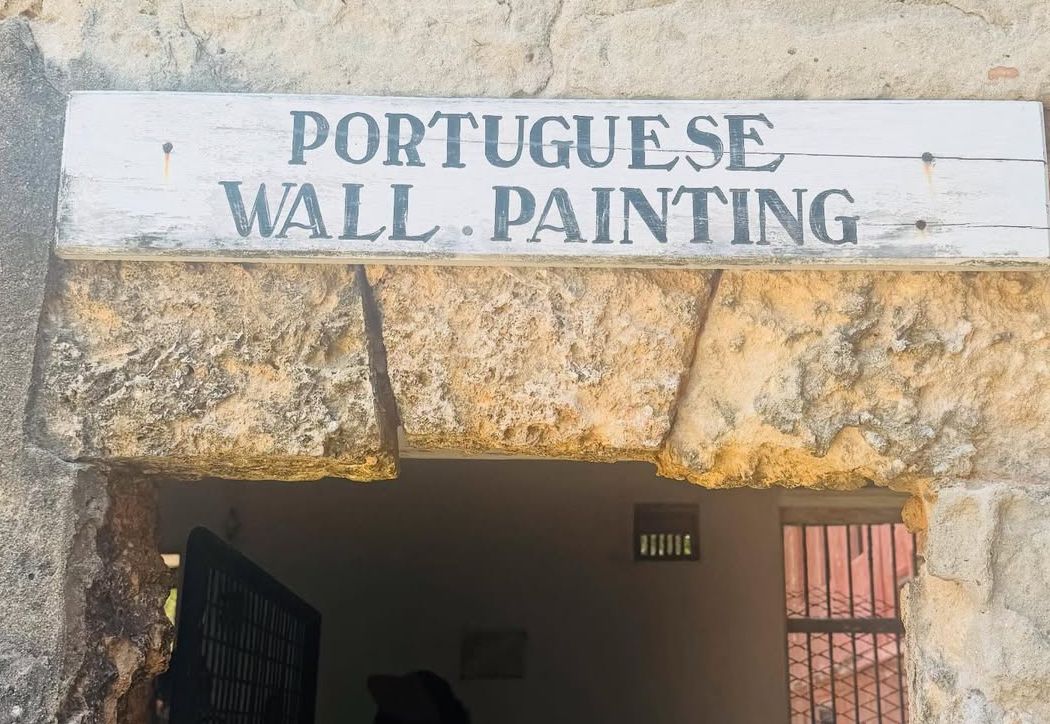
The most dramatic period in the fort's history was its struggle with the Omani Arabs. The Omanis relentlessly challenged Portuguese control of the coast, leading to several attacks on the fort. The most famous of these is the epic "Siege of Fort Jesus," which lasted for nearly three years, from 1696 to 1698.
The siege saw the small garrison of Portuguese defenders and local loyalists withstand starvation, disease, and constant bombardment before the fort finally fell to the Omani forces.
From Prison to National Museum
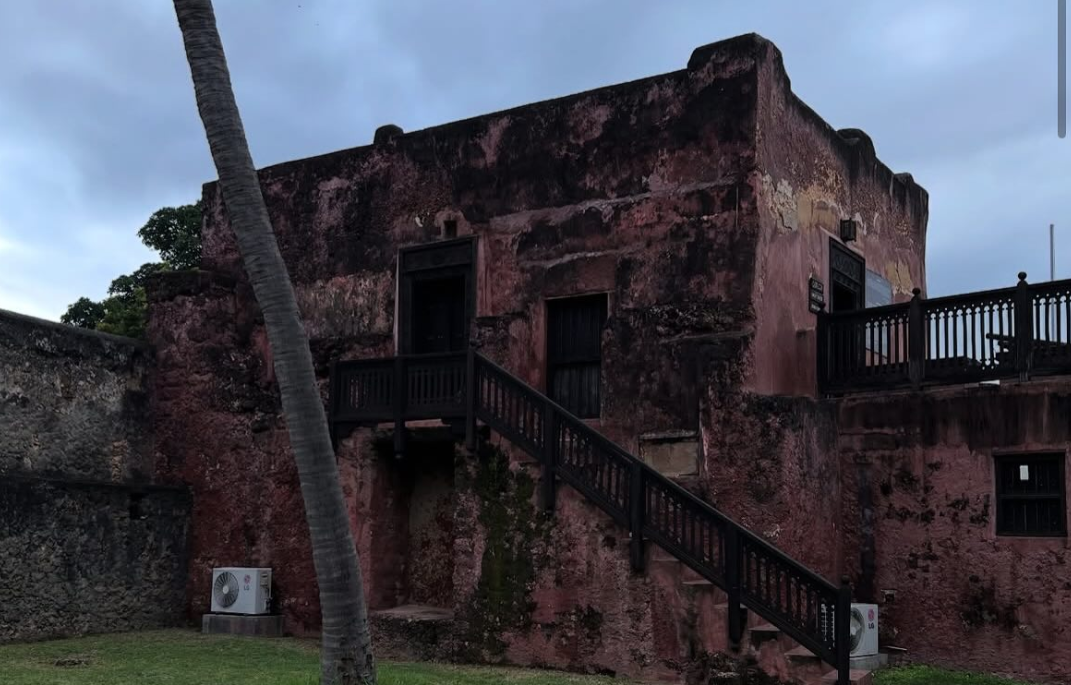
After the Omani era, the fort eventually fell under British control in the late 19th century. During the colonial period, its function changed dramatically. The British repurposed the imposing structure, turning it into a prison. The barracks and other buildings inside were converted into cells.
It remained a prison until 1958, when it was declared a national monument. Following archaeological excavations, it was opened to the public as a museum under the management of the National Museums of Kenya, its primary role today.
What to See Inside Fort Jesus Today
Today, Fort Jesus is a sprawling open-air museum managed by the National Museums of Kenya. A walk through its vast, coral-block walls and courtyards reveals centuries of history, with remnants from the different cultures that once controlled it.
Visitors can spend hours exploring the various structures and exhibits that tell the story of the fort and the Swahili coast.
The Battlements Cannons and Watchtowers
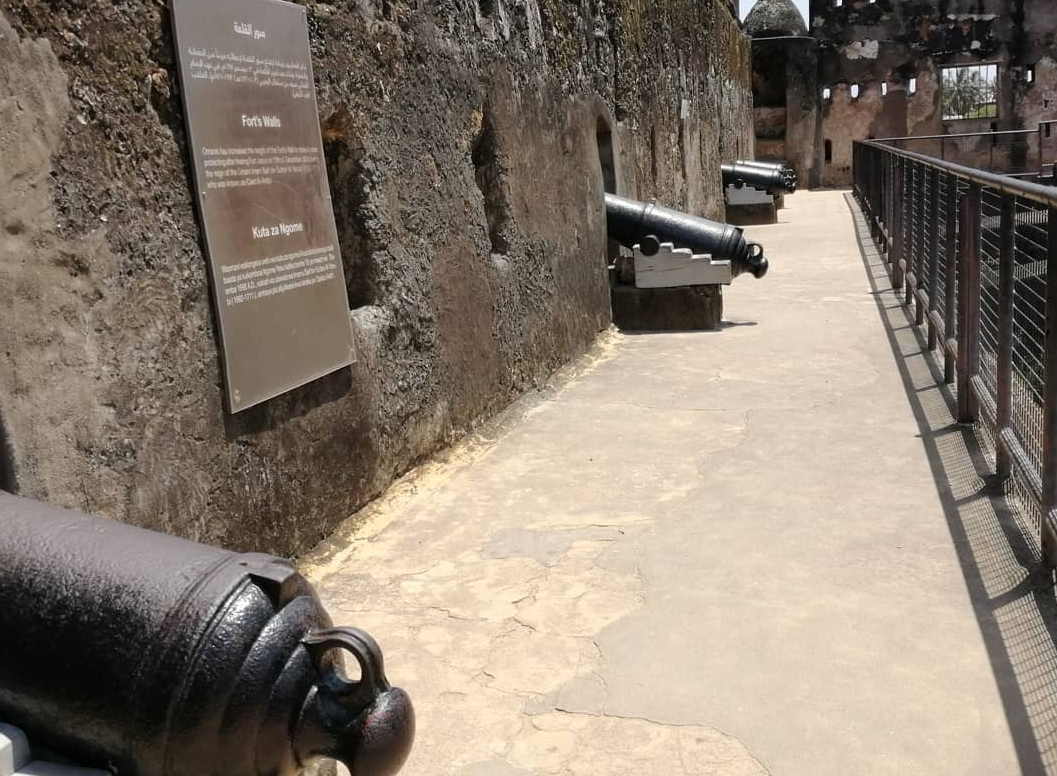
The main attraction is the fortress itself. Visitors can walk along the top of the massive, thick walls, known as the battlements, which offer panoramic views of the Mombasa Old Port and the Indian Ocean.
The original Portuguese and later Omani cannons are still in place, aimed out to sea as they were centuries ago. You can explore the various watchtowers and sentry points, imagining the soldiers who once stood guard against attacks from the sea.
The Museum of the Wreck
Inside the fort's main building is a dedicated museum hall that houses an extraordinary collection of artifacts recovered from a sunken Portuguese gunship, the Santo António de Tanná.
This ship sank during the Siege of Fort Jesus in 1697. The salvaged items, including pottery, cannons, and other remnants of 17th-century maritime life, provide a fascinating, frozen-in-time glimpse into the era.
The Omani House and Swahili Influences
Evidence of the Omani occupation is clearly visible in the architecture. The Omani House is a beautiful building constructed in the late 18th century, which served as the residence for the Omani governor.
It features a charming audience hall with a high roof and displays of Omani-style furniture and jewelry. Throughout the fort, you can also see examples of Swahili coast culture, including a deep well that was the garrison's vital water source and ancient Swahili graffiti etched into the walls.
The Fort's UNESCO World Heritage Status
In 2011, Fort Jesus was inscribed as a UNESCO World Heritage Site. This prestigious designation recognizes its outstanding universal value. UNESCO's justification for the listing highlights several key factors.
First, the fort is considered one of the most brilliant and well-preserved examples of 16th-century Portuguese military architecture in the world. Its design represents a significant milestone in the history of fortification.
Furthermore, UNESCO recognized the fort as a landmark that perfectly illustrates the interchange of cultural values. While its design is European, its construction utilized local Swahili labor and materials, primarily coral rock.
The fort's subsequent modifications by the Omani Arabs and the British make it a living document of the cultural, commercial, and political shifts that shaped the East African coast for centuries. It stands as a unique monument to the struggle for control of the Indian Ocean trade.
Essential Visitor Information
A visit to Fort Jesus is a must-do activity for anyone traveling to Mombasa. Its central location in the Old Town makes it easily accessible, and its rich history offers a fascinating journey back in time. To make the most of your visit, it is helpful to know the basic logistical details for planning your trip.
Entrance Fees and Guided Tours
As a national monument managed by the National Museums of Kenya, all visitors must pay an entrance fee. The fees are structured according to residency status and are a vital source of funding for the ongoing conservation and maintenance of this historic site. Licensed local guides are available for hire at the main entrance.
While you can explore on your own, hiring a guide is highly recommended as they provide invaluable historical context and stories that bring the fort's turbulent past to life.
| Fee Category | Non-Resident (International) | East African Resident / Citizen |
|---|---|---|
| Adult Fee | KES 1,200 | KES 400 |
| Child Fee | KES 600 | KES 200 |
Location and Opening Hours
Fort Jesus is located on Nkrumah Road, at the edge of Mombasa's Old Town and overlooking the entrance to the Old Port. It is within walking distance of many of the Old Town's other attractions.
The fort is open to the public daily, including weekends and public holidays, typically from 8:00 AM to 6:00 PM. A thorough visit, including the museum exhibits, usually takes about two to three hours.
The Fort Jesus Sound and Light Show
In the evenings, after the sun has set and the daytime crowds have departed, the ancient walls of Fort Jesus are brought to life through a spectacular Sound and Light Show. This unique, multimedia experience is a popular attraction that transforms the historical monument into a vibrant, open-air theater. It offers a dramatic and entertaining way to absorb the fort's long and turbulent history.
The show uses a sophisticated system of colorful lights, projected images, and a powerful, pre-recorded audio narration to tell the story of the fort's construction, its many epic sieges, and its eventual fall to the Omani Arabs.
The dramatic lighting illuminates the cannons, battlements, and dark corridors, while the sound effects of battles and historical narration create an immersive and atmospheric experience. It is a fantastic way to visualize the events that took place within the very walls you are sitting in.
The Sound and Light Show is an evening event and requires a separate ticket from the standard daytime entry. The schedule for the show can vary, so it is highly recommended that visitors check the current timings and availability with the Fort Jesus administration or a local tour operator in advance to plan their visit.
Book a Trip to Fort Jesus
Include Fort Jesus in your personalized Kenya safari itinerary and create unforgettable memories.
Plan My SafariMore Attractions
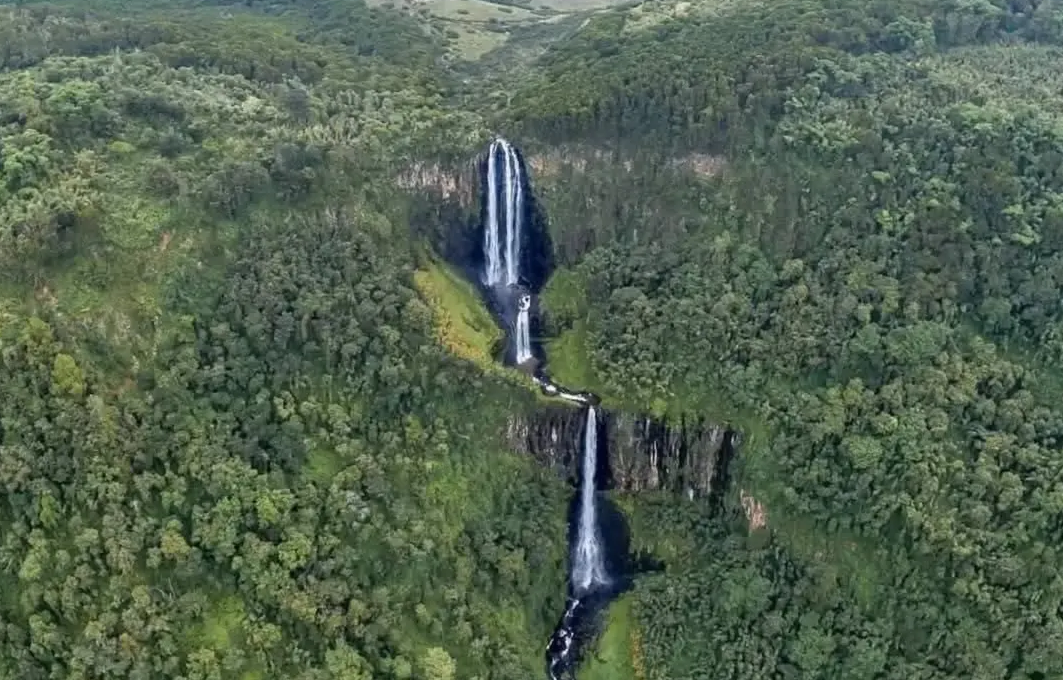
Karuru Falls (Aberdares)
Kenya's tallest waterfall in three breat...
Chania Falls (Aberdares)
Serene waterfalls cascading over rocky l...
Buffalo Springs (Buffalo Springs NR)
Life-giving natural springs in the arid...
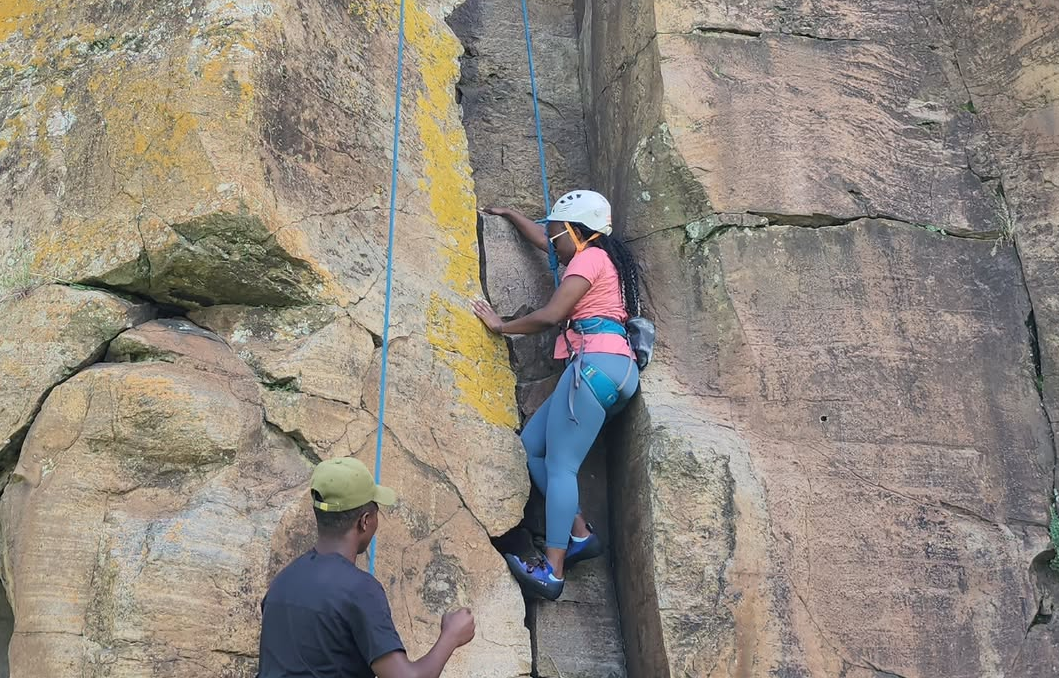
Fischer's Tower (Hell's Gate NP)
Iconic volcanic plug popular for rock cl...
Central Tower (Hell's Gate NP)
Impressive rock tower offering climbing...
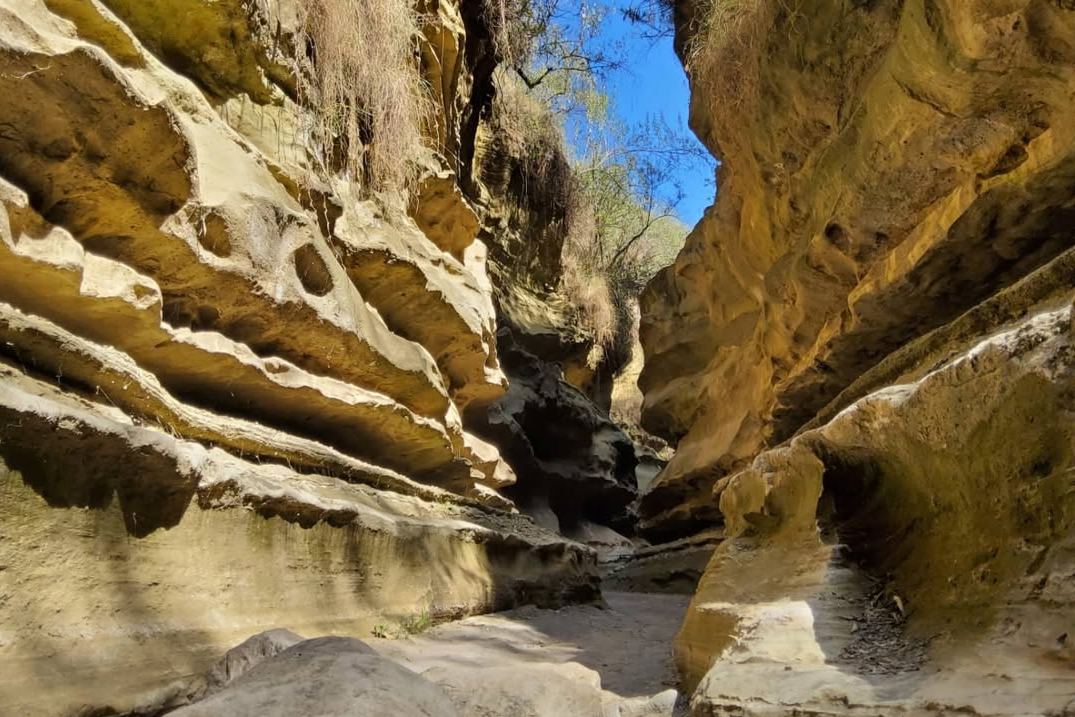
Ol Njorowa Gorge (Hell's Gate NP)
Dramatic gorge carved by ancient water f...