Fourteen Falls is a significant waterfall system on the Athi River. It is located approximately 15 kilometres from the industrial centre of Thika, Kenya.
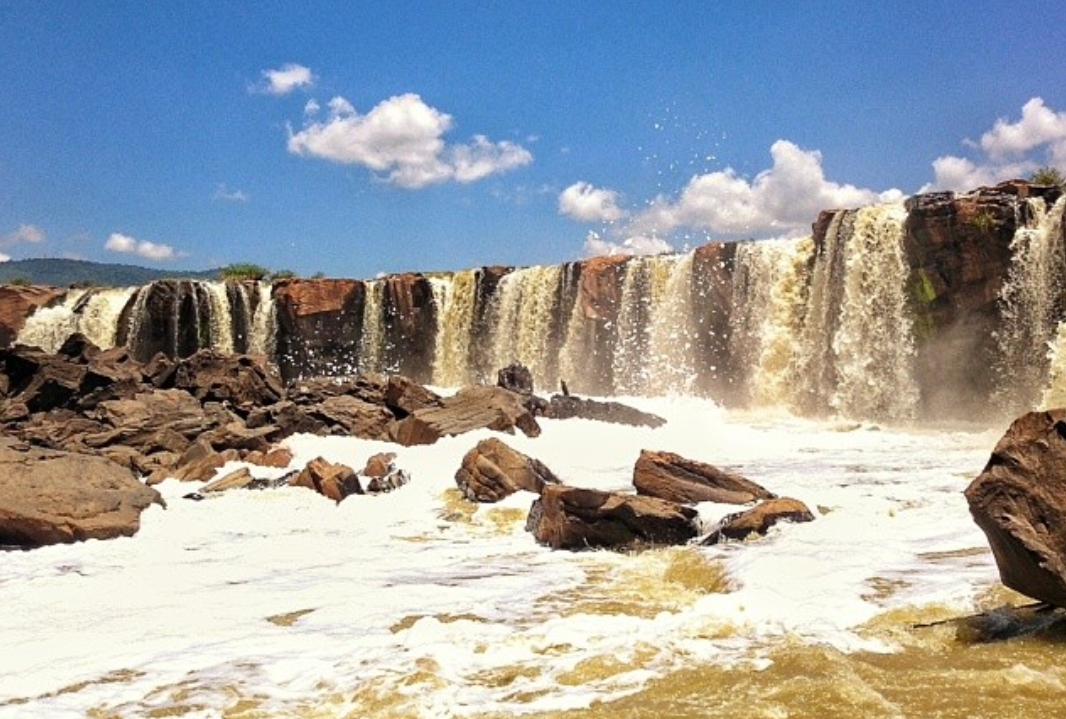
This natural feature consists of a broad, 27-metre-high cascade. The river spans a wide rock ledge at this point, creating a powerful hydrological spectacle.
The site serves as a critical case study in the intersection of natural topography and upstream urban environmental impact.
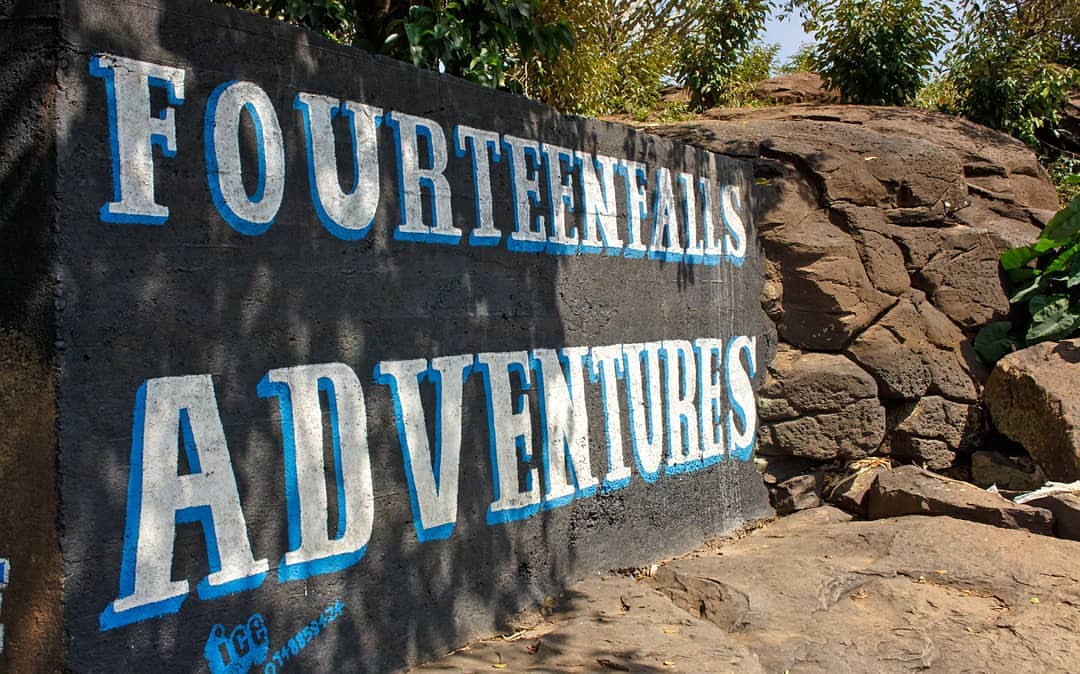
The Experience and Environmental Impact of Fourteen Falls Thika
A visit to Fourteen Falls presents a landscape of stark contrasts.
The site features immense natural power. This is juxtaposed with visible evidence of severe upstream pollution from the Nairobi metropolitan area.
This duality defines the experience. It offers a view of a major river system and a lesson in environmental science.
Observing the Cascades at Fourteen Falls Thika
The falls comprise 14 distinct channels.
During periods of high water volume, particularly in the April-May and October-November rainy seasons, these merge into a single, formidable curtain of water.
The sound of the water plunging onto the rocks below is a dominant sensory element. This creates a constant, thunderous roar.
Dimensions of Fourteen Falls Thika
The width of Fourteen Falls is its most impressive dimension, rather than its height.
The Athi River drops approximately 27 metres over a broad escarpment, creating a panoramic vista.
This scale demonstrates the immense volume of water carried by Kenya's second-longest river, the Athi-Galana-Sabaki.
Activities Available at Fourteen Falls Thika
Site engagement centres on direct observation and interaction with the river at the base of the falls.
All activities are managed and conducted by members of the local community. They operate as on-site guides and boatmen.
Their involvement is essential for navigating the terrain safely.
Boat Rides Below the Falls Thika
The primary activity is a guided boat ride across the plunge pool.
Local operators use simple paddle boats to navigate the currents. This brings visitors close to the base of the water curtain.
This proximity allows for a direct experience of the water's spray and force.
The rides are short, typically lasting 10-15 minutes. They provide a unique photographic perspective.
Photography Opportunities Thika
Fourteen Falls provides substantial photographic potential.
The main viewing bank offers a complete panorama of the cascades.
Guides can direct photographers to various vantage points across the rocky riverbed. These locations allow for alternative compositions.
Early morning light often illuminates the spray. This creates dynamic lighting conditions against the dark volcanic rock.
Nature Walks Near Fourteen Falls Thika
Informal walks along the riverbank are possible. The terrain is uneven and requires sturdy footwear.
These walks provide different angles of the falls and a closer look at the riverine vegetation and the site's geology.
Guides will indicate safe paths and areas of interest.
Geology of Fourteen Falls Thika
Fourteen Falls exists as a direct result of the region's volcanic history.
The waterfall forms where the Athi River flows over a resistant layer of phonolitic lava. This hard volcanic rock has resisted erosion more effectively than the surrounding rock layers.
Formation and Rock Types Thika
The falls are located on the eastern edge of the Great Rift Valley system.
The underlying rock is part of the Kapiti phonolite lava flows. These originated from volcanic activity millions of years ago.
This hard, crystalline rock creates a natural dam. It forces the river to plunge over its edge.
Erosion Patterns at Fourteen Falls Thika
The 14 distinct channels are evidence of differential erosion. The river has exploited weaker points, joints, and fractures in the phonolite rock over millennia.
During high flow, the abrasive power of the water carries sediment. This continues to slowly sculpt and widen these channels.
Riparian Ecosystem at Fourteen Falls Thika
A resilient riparian ecosystem persists around the falls. This occurs despite the significant pollution load.
The constant spray from the cascade supports moisture-loving ferns and other vegetation on the cliff faces and immediate riverbanks. This creates a narrow green corridor.
Birdlife Around Fourteen Falls Thika
Various water-associated bird species frequent the area.
Visitors can often observe Pied Kingfishers, Grey Herons, and Hadada Ibis along the river.
The presence of these birds indicates some aquatic life, though diminished, still survives in the river system. This provides a food source.
Cultural and Historical Context of Fourteen Falls Thika
The falls hold a place in the oral traditions of the local Kamba and Kikuyu communities. These communities have lived alongside the Athi River for centuries.
The site was historically significant as a landmark and a source of water.
Local Legends of Fourteen Falls Thika
Oral history describes the falls as a place of spiritual power.
Some local legends speak of the river's spirits residing in the deep pools beneath the cascade. The thunderous sound was considered to be their voice.
The number of falls was also incorporated into local cosmology.
Traditional Uses and Significance Thika
Historically, the river section above the falls served for fishing and as a water source for communities and livestock.
The falls themselves served as a natural boundary marker and a meeting point for different local groups.
Community Stewardship at Fourteen Falls Thika
Management and daily operations at Fourteen Falls are not run by a national park authority. They are entirely in the hands of the local community.
This informal, community-based tourism model is a core component of the visitor experience.
Local Guide Initiatives Thika
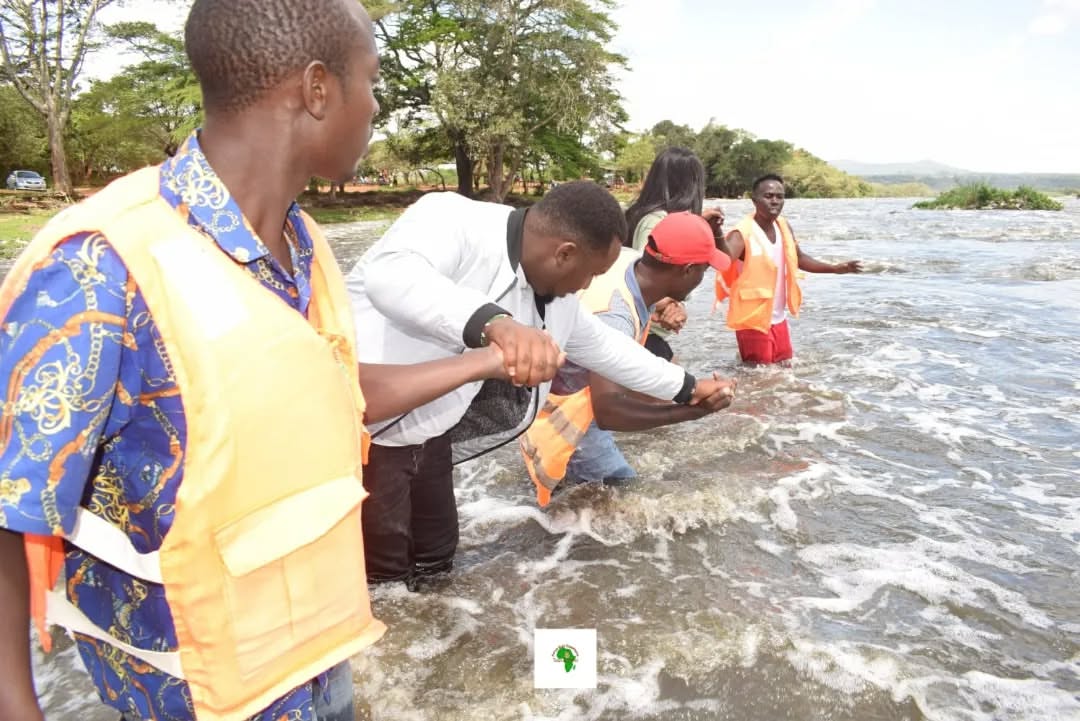
Upon arrival, members of a local guide association meet visitors.
These individuals possess intimate knowledge of the river's currents, safe access points, and the site's history.
Engaging a guide is standard practice. It is necessary for undertaking activities like boat rides.
Community Projects at Fourteen Falls Thika
Income generated from guiding and boating activities provides a direct livelihood for dozens of local families.
This economic reliance on the falls has fostered a sense of ownership and a vested interest in the site's preservation. However, resources to tackle the upstream pollution problem are not available to them.
Environmental Status of Fourteen Falls Thika
Fourteen Falls provides an unfiltered look at a major environmental crisis in Kenya.
The condition of the water is a direct consequence of activities occurring far upstream.
Pollution Challenges Athi River
The Athi River originates in the highlands near Nairobi.
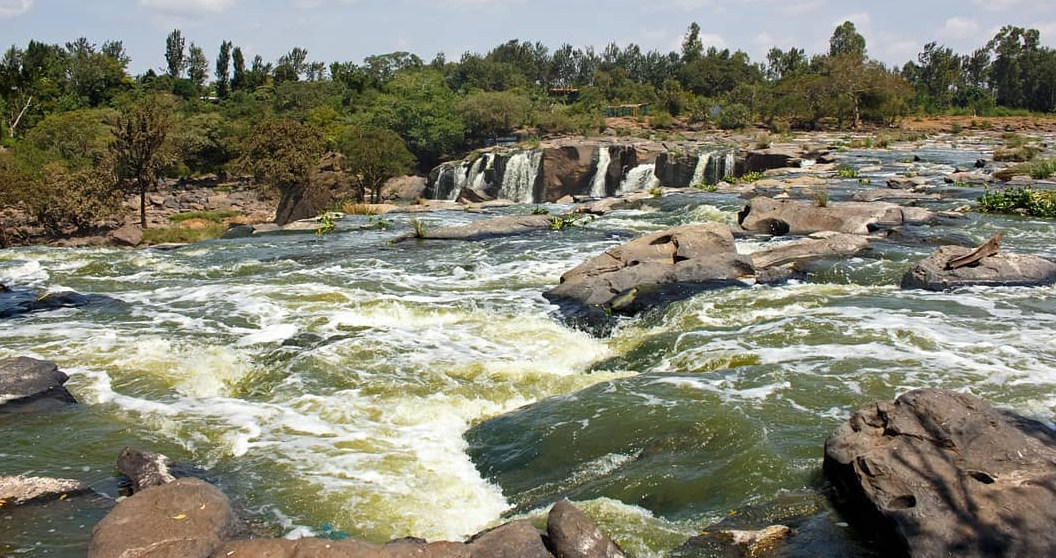
As it passes through the capital's metropolitan area and extensive industrial zones, it accumulates a heavy load of untreated sewage, chemical effluents, and solid waste.
By the time it reaches Thika, this pollution is highly concentrated.
The waterfall's turbulence churns these pollutants. This creates a thick, foul-smelling foam at its base, most prominent during the dry season when water flow is lower.
Conservation Efforts at Fourteen Falls Thika
Local community efforts focus on site management.
Broader conservation initiatives, led by entities like the National Environment Management Authority (NEMA), aim to address upstream pollution sources.
These efforts face significant challenges related to enforcement and infrastructure. The recovery of the Athi River is a long-term goal.
Planning Your Visit to Fourteen Falls Thika
A trip to Fourteen Falls from Nairobi or Thika is logistically simple. It is a common day-trip destination.
Understanding the costs, timing, and site conditions is essential for a well-planned visit.
Best Time to Visit Thika
To view the falls at their most voluminous and powerful, visitors should plan a trip during or immediately after the rainy seasons (April-June and October-December).
Dry seasons (January-March and July-September) are preferable for easier access to the rocky riverbed and clearer photographic conditions. During these times, pollution may be more visible.
Safety Precautions at Fourteen Falls Thika
The rocks around the falls are slippery and uneven.
Visitors must wear appropriate footwear with good grip.
Visitors must adhere strictly to the guidance provided by local guides. This is especially important concerning proximity to the river's edge and during boat rides.
The water is heavily polluted. It is not safe for swimming or consumption.
2026 Entry Fees for Fourteen Falls Thika
Access to Fourteen Falls is managed by the local county government. A gate fee is levied for site maintenance and community support.
These fees cover entry only. Activities such as boat rides and guided tours are negotiated separately with the on-site community guides.
The following table details the projected 2026 rates.
| Fee Category | Non-Resident (International) | East African Resident | Kenyan Citizen |
|---|---|---|---|
| Adult Fee | USD $25 | KES 1,200 | KES 250 |
| Child/Student Fee | USD $15 | KES 300 | KES 150 |
| Vehicle Parking (Saloon Car) | KES 200 | ||
Payment Options Thika
Visitors should carry Kenyan Shillings (KES) in cash to pay for official entry fees and community-led activities.
Digital or card payment facilities are not reliably available at the site.
Logistics for Reaching Fourteen Falls Thika
The falls are accessible via a primary highway, followed by a secondary rural road.
Transport arrangements should be made in advance.
Road Conditions Thika 2026 Update
Access from Thika town is via the Garissa Road (A3).
After approximately 15 kilometres, a signposted turn-off leads to the falls.
As of 2026, the final few kilometres of this access road remain unpaved.
The surface is rough and can become difficult to navigate for standard saloon cars during the rainy season.
The road condition requires careful driving.
Vehicle Recommendations Thika
A vehicle with higher ground clearance, such as an SUV or a 4x4, provides a more comfortable and reliable journey to the falls.
This is particularly important if visiting during the wet season.
Standard cars can make the trip, but they may struggle with sections of the unpaved road.
Directions from Thika Town
Visitors should take the A3 Garissa Road east out of Thika to reach the falls.
Pass the Del Monte pineapple plantations. Then, look for the signposted left turn for Fourteen Falls.
The drive from the centre of Thika typically takes 30 to 45 minutes, depending on traffic and road conditions.
Accessibility and Facilities at Fourteen Falls Thika
The facilities at Fourteen Falls are basic. They reflect the site's informal, community-led management style.
Visitors should not expect the level of infrastructure typically found in national parks.
Wheelchair Access Considerations Thika
Wheelchair access is not available at Fourteen Falls.
The path from the car park to the main viewpoint and the riverbank is a rough, unpaved dirt track with uneven terrain.
Access to the river's edge requires navigating steep sections and large, slippery rocks.
On-site Facilities Thika
Basic toilet facilities (pit latrines) are available near the parking area.
A few small, informal kiosks run by local vendors sell snacks, soft drinks, and water.
Formal restaurants or accommodation options are not available at the site itself.
Safety for Families and Elderly Thika
Families with young children and elderly visitors must exercise extreme caution.
Safety barriers or railings are not present at the viewpoints or along the riverbank.
Children must be supervised at all times.
The terrain may be too challenging for visitors with mobility issues.
Book a Trip to Fourteen Falls (Thika)
Include Fourteen Falls (Thika) in your personalized Kenya safari itinerary and create unforgettable memories.
Plan My SafariMore Attractions
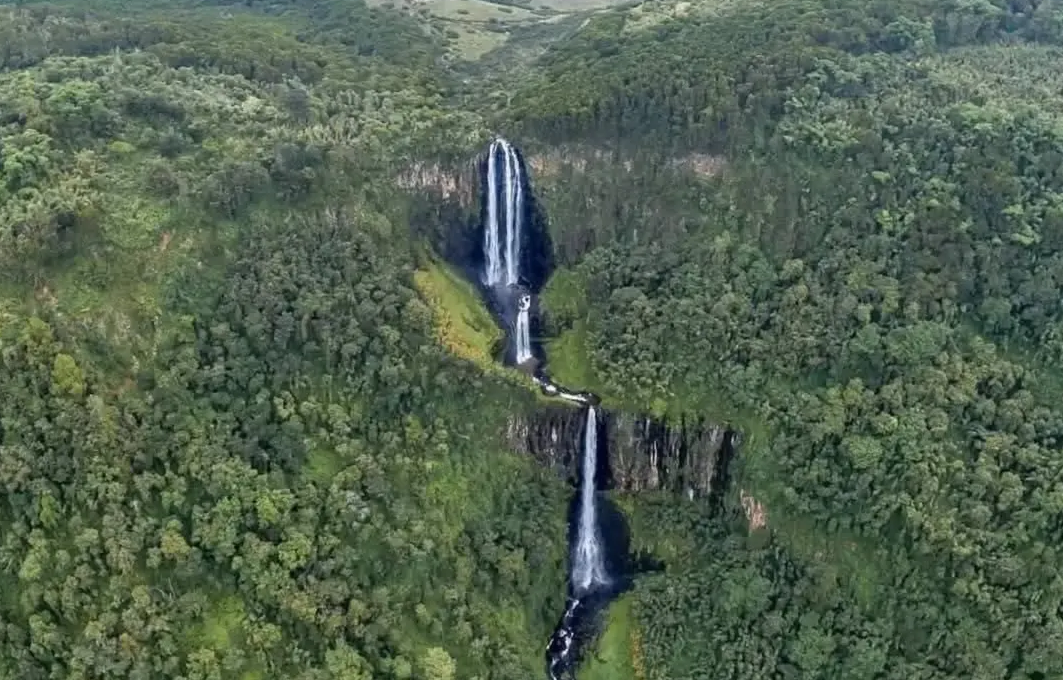
Karuru Falls (Aberdares)
Kenya's tallest waterfall in three breat...
Chania Falls (Aberdares)
Serene waterfalls cascading over rocky l...
Buffalo Springs (Buffalo Springs NR)
Life-giving natural springs in the arid...
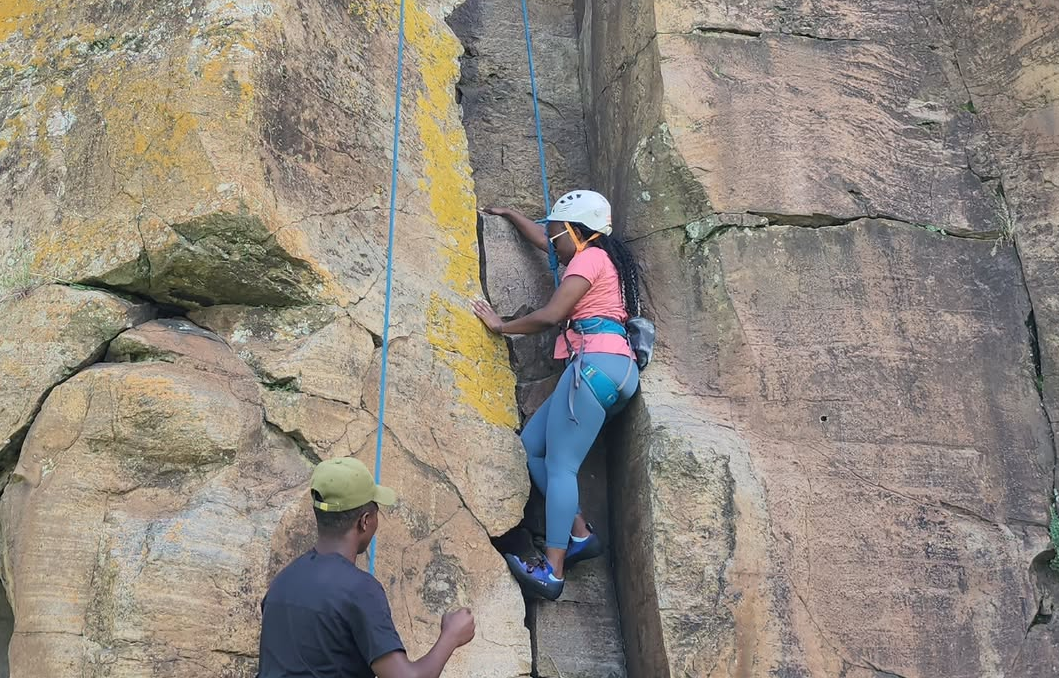
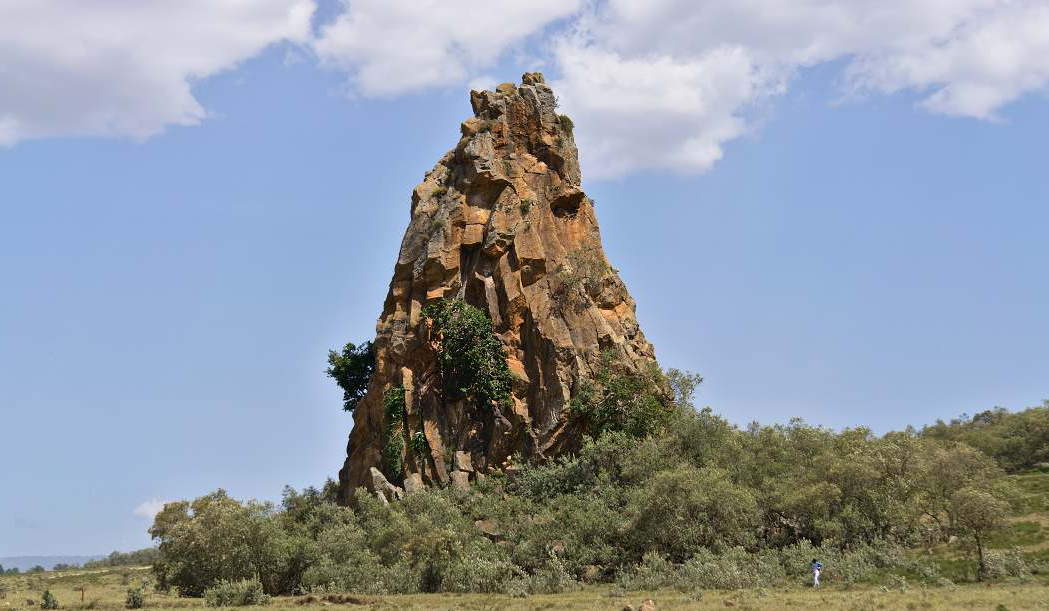
Fischer's Tower (Hell's Gate NP)
Iconic volcanic plug popular for rock cl...
Central Tower (Hell's Gate NP)
Impressive rock tower offering climbing...
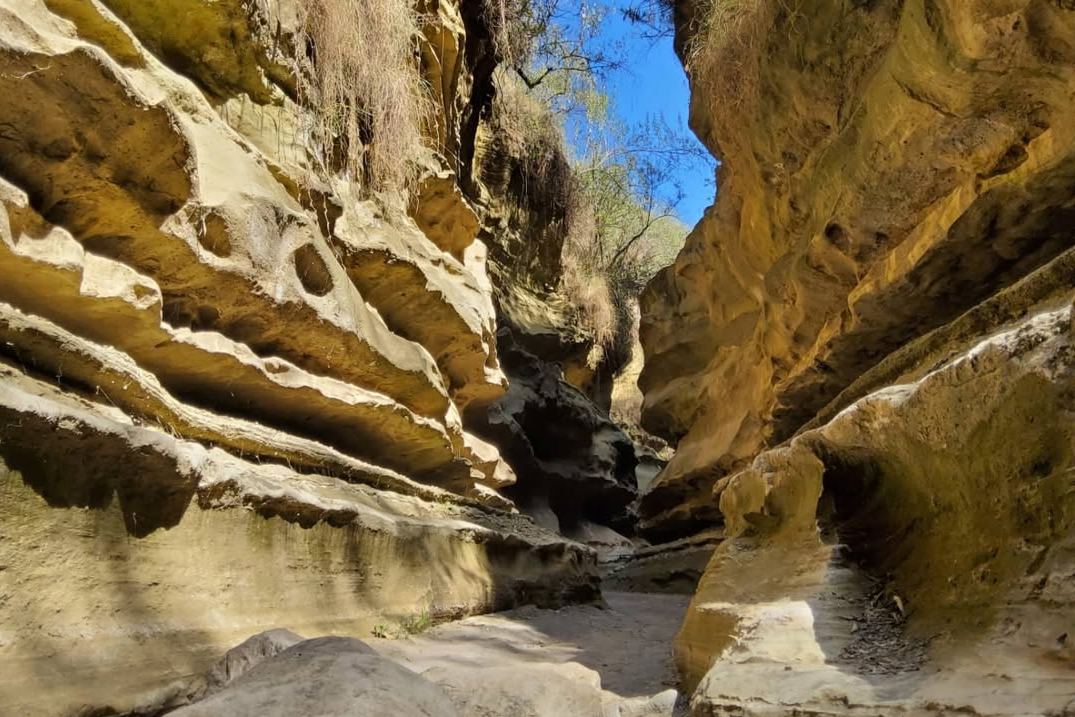
Ol Njorowa Gorge (Hell's Gate NP)
Dramatic gorge carved by ancient water f...