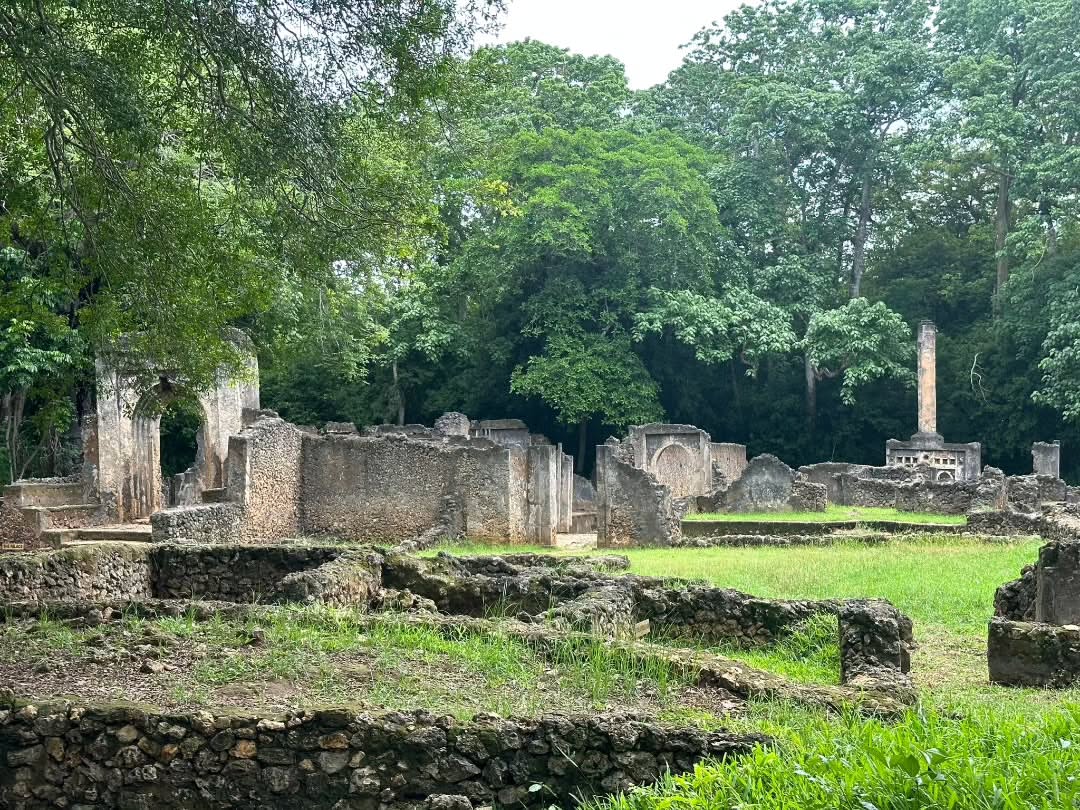
The Gedi Ruins are the extensive remains of a medieval Swahili town, a designated UNESCO World Heritage Site, nestled deep within the coastal Arabuko-Sokoke Forest in Kenya.
This once-thriving trading hub is renowned for its sophisticated architecture and the enduring mystery of why it was suddenly abandoned centuries ago.
The Mystery of the Lost City of Gedi
The most captivating aspect of the Gedi Ruins is the profound mystery of its sudden abandonment. For nearly 600 years, from the 12th to the early 17th century, Gedi was a prosperous and bustling urban center.
Yet, for reasons that are still debated by historians and archaeologists, the entire city was deserted. Remarkably, there is no written record of the town's existence in any historical texts of the period, adding to its enigmatic reputation.
Several theories attempt to explain this mass exodus. The most prominent explanations include the arrival of Portuguese forces on the coast, which violently disrupted established Swahili trade networks.
Other contributing factors may have been the threat of raids from the nomadic Oromo people, a severe drop in the water table evident in the deepening of the main well, and the general decline of other coastal city-states at the time. This puzzle of its disappearance is what makes a visit to Gedi a journey into a historical mystery.
A Surprisingly Advanced Swahili Town
The ruins of Gedi provide a powerful counter-narrative to outdated perceptions of pre-colonial Africa. The city was remarkably advanced for its time, showcasing a level of urban planning and technology that was sophisticated and cosmopolitan. The site reveals evidence of well-laid-out streets, coral-brick houses, a palace, and even homes equipped with flushing toilets and running water systems.
Gedi's prosperity was built on its position as a key player in the Indian Ocean trade network. Archaeological excavations have unearthed a wealth of international artifacts, including Ming Dynasty vases from China, glass beads from Venice, Spanish scissors, and pottery from Persia.
These discoveries prove that the Swahili inhabitants of Gedi were part of a globalized world, trading extensively with cultures across Asia and Europe long before the colonial era.
What to See Inside the Gedi Ruins
A walk through Gedi is a journey through a well-preserved medieval city. The main archeological site covers 45 acres and is well-signposted, allowing for easy exploration of its most significant structures.
A local guide is highly recommended to bring the history of the ruins to life and point out details that might otherwise be missed.
The Palace and the Great Mosque
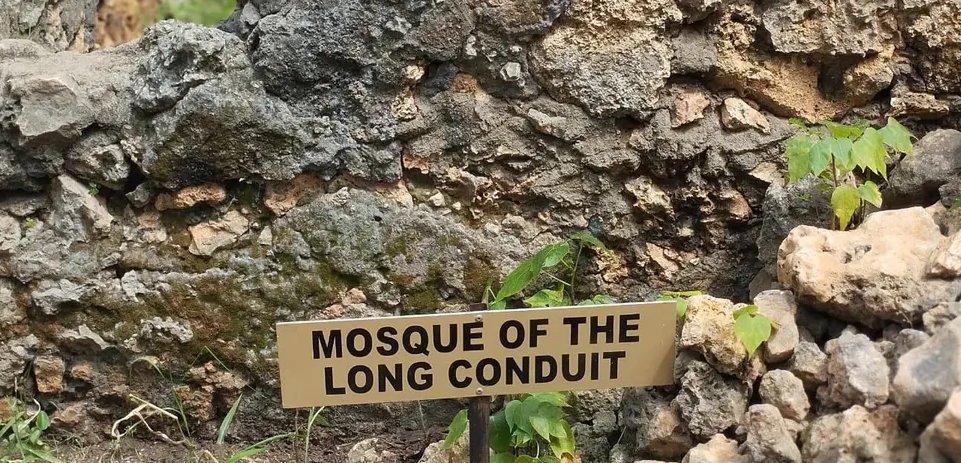
Among the most impressive structures is the Palace, which was the residence of Gedi's ruler. It features a large central courtyard, audience chambers, and private quarters, showcasing the wealth and status of the city's elite.
Nearby are the remains of the Great Mosque, which was the main religious and community center of the town. Its most distinctive feature is the remains of a pillar, which is characteristic of Swahili mosque architecture from this period.
The Stone Houses and Pillar Tombs
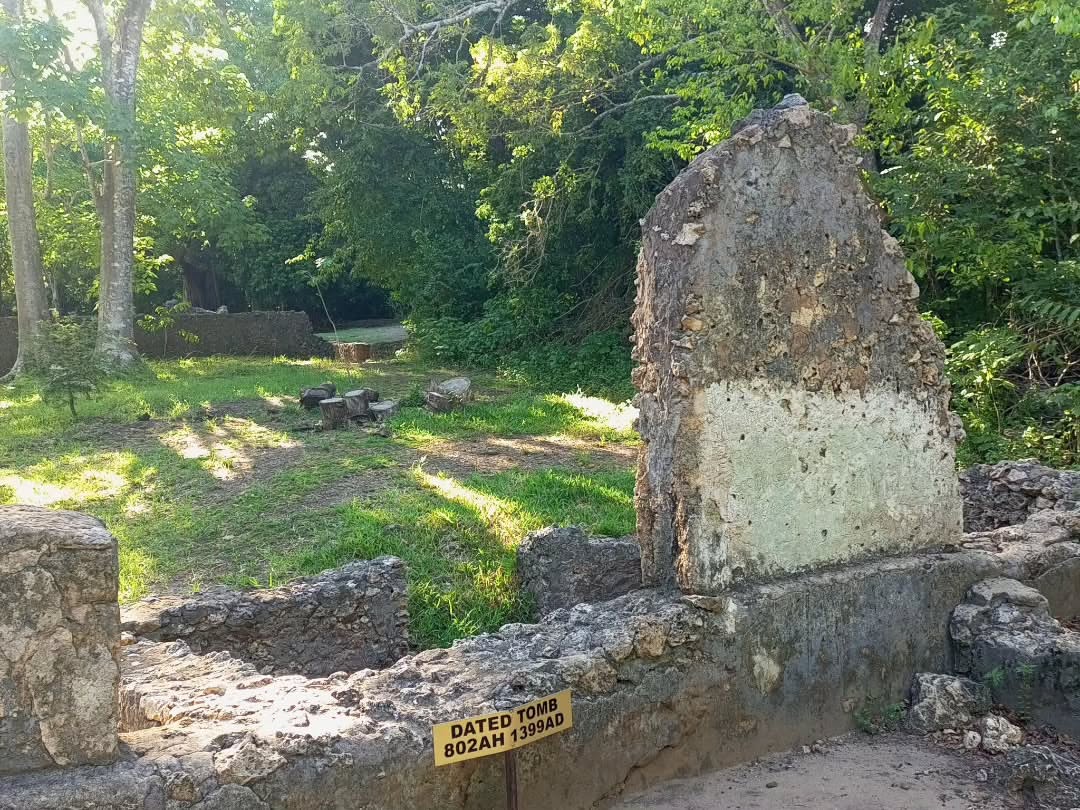
Beyond the main public buildings, visitors can explore the ruins of numerous stone houses. These houses belonged to the wealthier merchants of Gedi and feature distinct rooms, courtyards, and deep wells.
The site also contains several well-preserved tombs, including a unique dated tomb and the iconic Pillar Tombs, which were elaborate burial markers for the city's important citizens.
The Ancient Wells and Water System
Water management was a critical part of life in Gedi. The site contains several deep wells, all sunk through the coral bedrock to reach the water table. The "Well of the Great Mosque" is particularly interesting, as evidence shows it was deepened over time, supporting the theory that a falling water table may have contributed to the city's abandonment. The ruins also show signs of advanced drainage and sanitation systems.
The Rich Natural Setting of the Forest
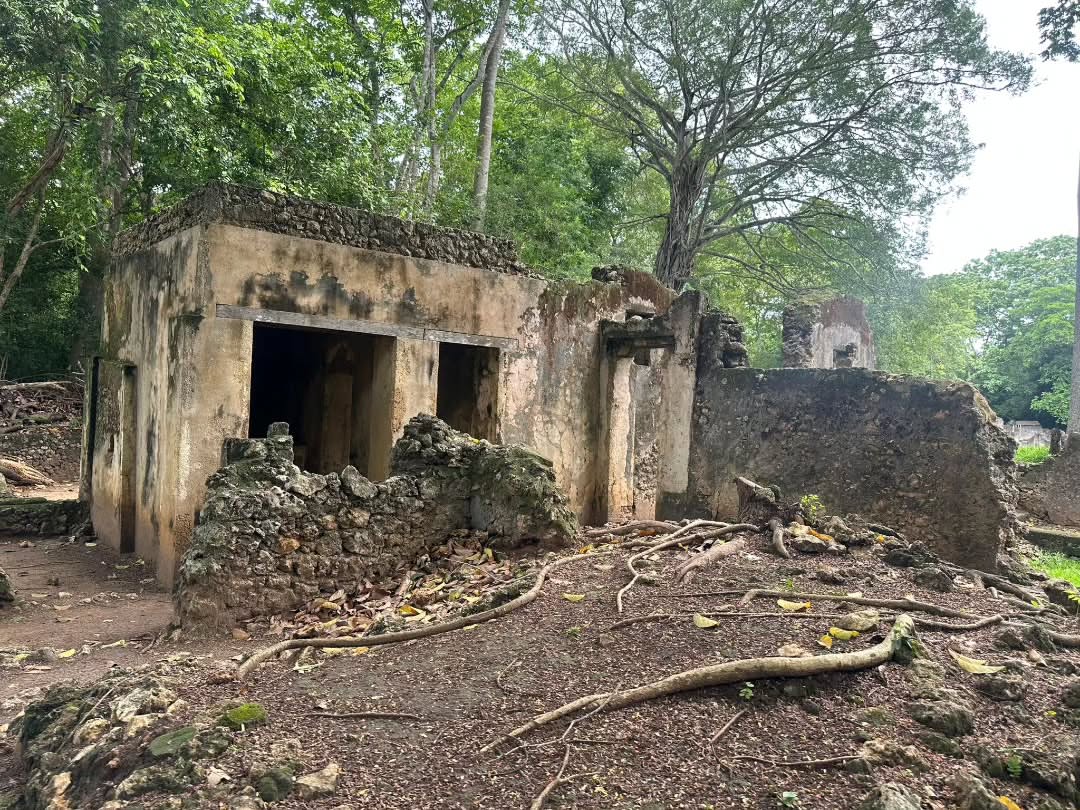
The atmosphere of the Gedi Ruins is greatly enhanced by its unique location. The ancient city is completely enveloped by the lush, indigenous Arabuko-Sokoke Forest, one of the last remaining tracts of coastal rainforest in East Africa. This serene and beautiful setting creates a powerful sense of discovery, as if you are uncovering a lost city hidden by the jungle.
Over the centuries, the forest has reclaimed parts of the city. Giant baobab and tamarind trees grow through the ancient stone walls, their roots intertwining with the coral-brick foundations. This blend of history and nature makes the site incredibly picturesque.
The forest is also alive with wildlife. A habituated troop of Sykes' monkeys is commonly seen playing among the ruins, and the area is a renowned birdwatching destination, with species like the African pygmy kingfisher and the green-headed oriole often sighted.
Planning Your Gedi Ruins Excursion
A visit to the Gedi Ruins is a fascinating and easy day trip for anyone staying in the Watamu or Malindi area. The site is well-maintained and organized for tourism, offering a seamless and educational experience. Knowing the basic logistics will help you plan your journey into this historical mystery.
Location and How to Get There
The Gedi Ruins are located just off the main Malindi-Mombasa road. They are approximately 4 kilometers from the town of Watamu and about 16 kilometers south of Malindi. The entrance is clearly signposted from the main road. Visitors can easily get to the ruins using a taxi, a local boda-boda (motorcycle taxi), or a tuk-tuk from either Watamu or Malindi.
Entrance Fees and Guided Tours
As a national monument managed by the National Museums of Kenya (NMK), all visitors are required to pay an entrance fee. This fee supports the conservation and research work at this important archaeological site.
Local guides are available for hire at the entrance, and taking a guided tour is highly recommended. The guides are incredibly knowledgeable and share detailed stories about the city's history, culture, and the mystery of its abandonment, which greatly enhances the visitor experience.
| Fee Category | Non-Resident (International) | East African Resident / Citizen |
|---|---|---|
| Adult Fee | KES 1,000 | KES 200 |
| Child Fee | KES 500 | KES 100 |
The Onsite Museum
At the entrance to the ruins, there is a small but informative museum. This museum displays many of the fascinating artifacts that have been unearthed at Gedi during archaeological excavations. Here you can see the imported Ming porcelain, Venetian glass, and other items that prove Gedi's extensive trade links with the outside world.
Visiting the museum before you walk through the ruins provides excellent context for understanding the sophistication of the city and the lives of its inhabitants.
Location
Book a Trip to Gedi Ruins
Include Gedi Ruins in your personalized Kenya safari itinerary and create unforgettable memories.
Plan My SafariMore Attractions
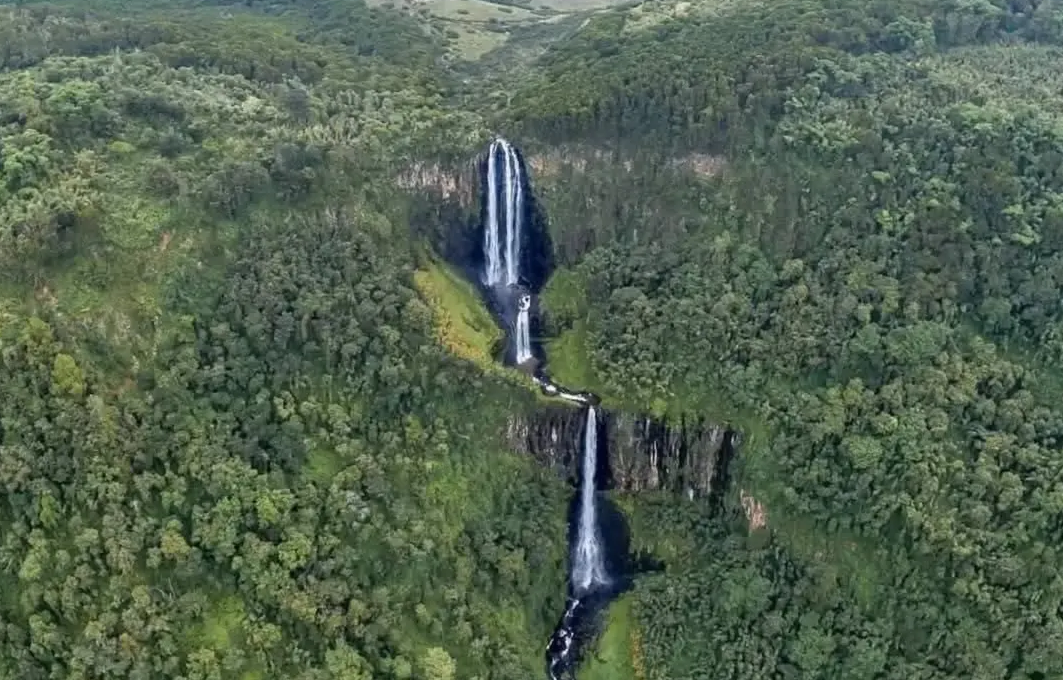
Karuru Falls (Aberdares)
Kenya's tallest waterfall in three breat...
Chania Falls (Aberdares)
Serene waterfalls cascading over rocky l...
Buffalo Springs (Buffalo Springs NR)
Life-giving natural springs in the arid...
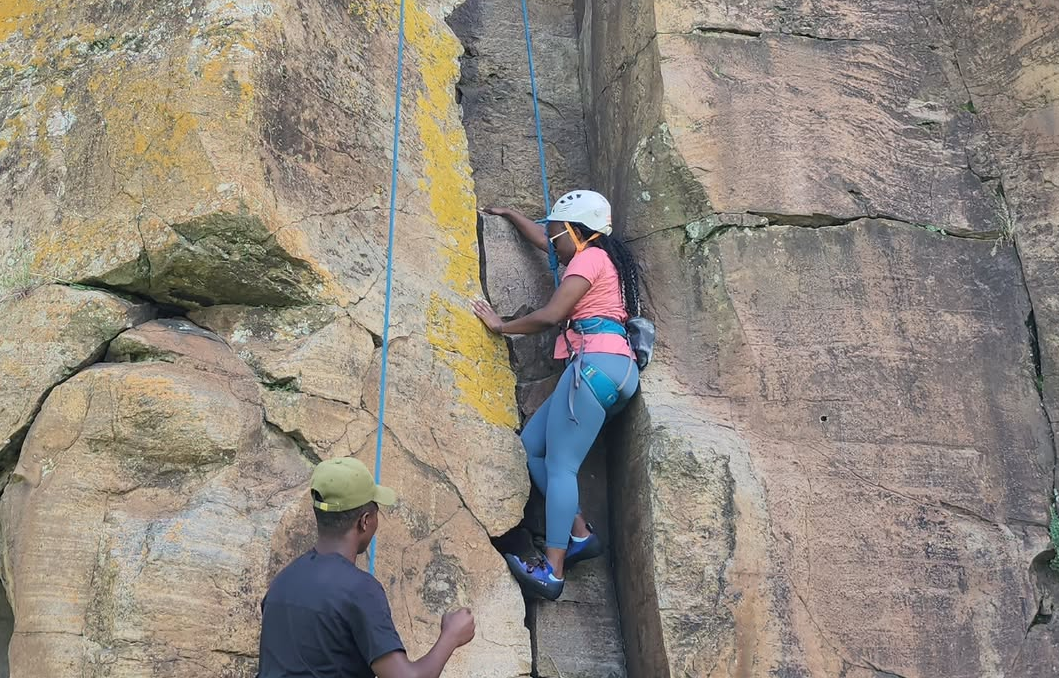
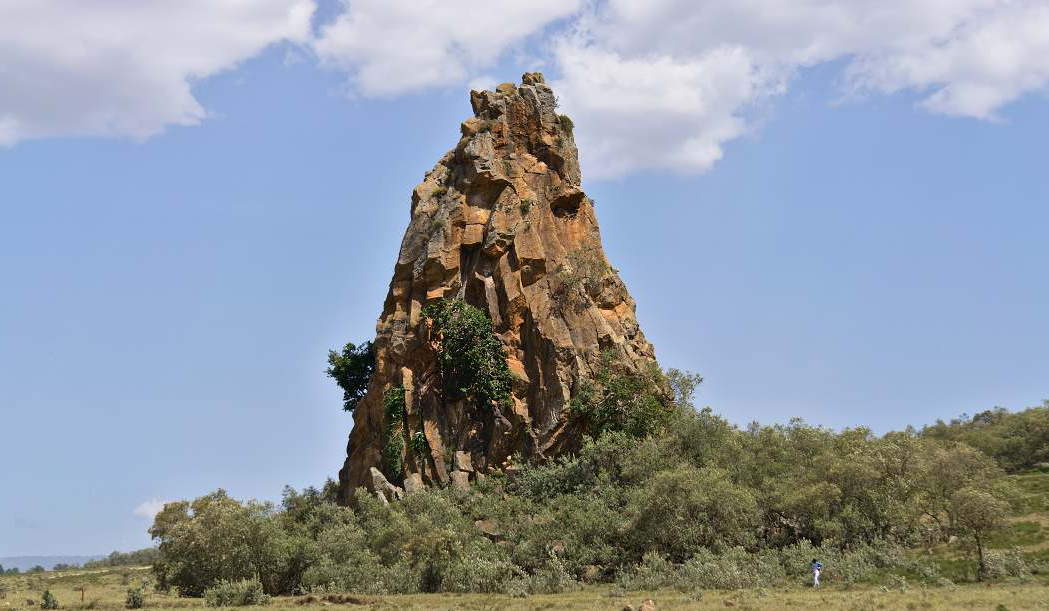
Fischer's Tower (Hell's Gate NP)
Iconic volcanic plug popular for rock cl...
Central Tower (Hell's Gate NP)
Impressive rock tower offering climbing...
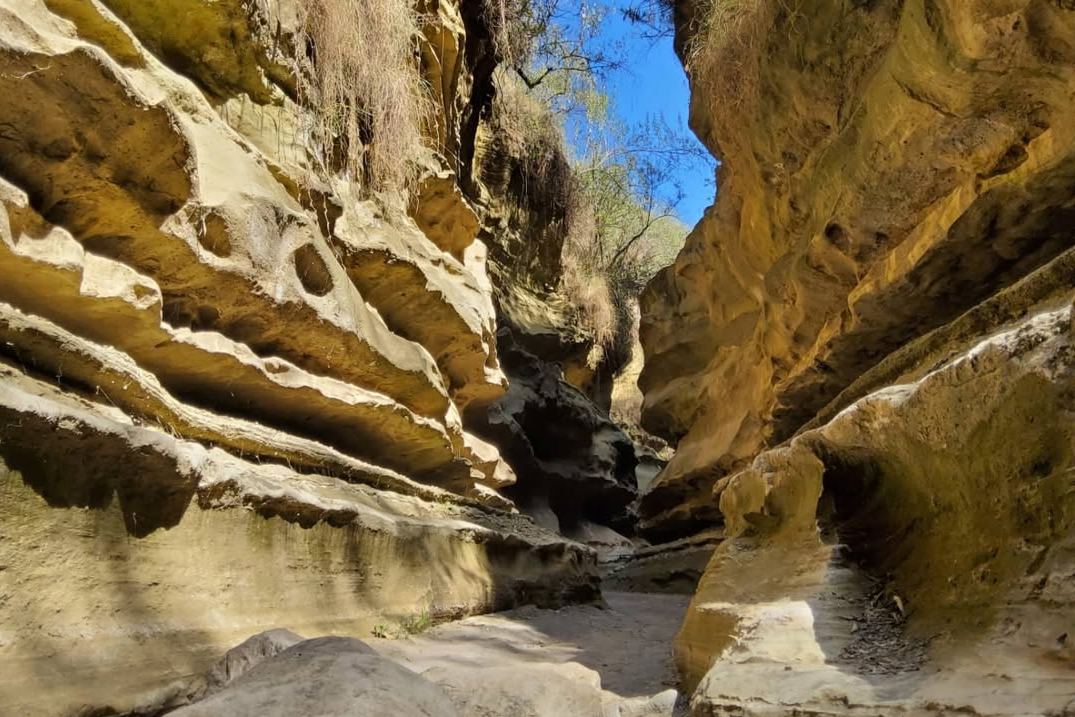
Ol Njorowa Gorge (Hell's Gate NP)
Dramatic gorge carved by ancient water f...