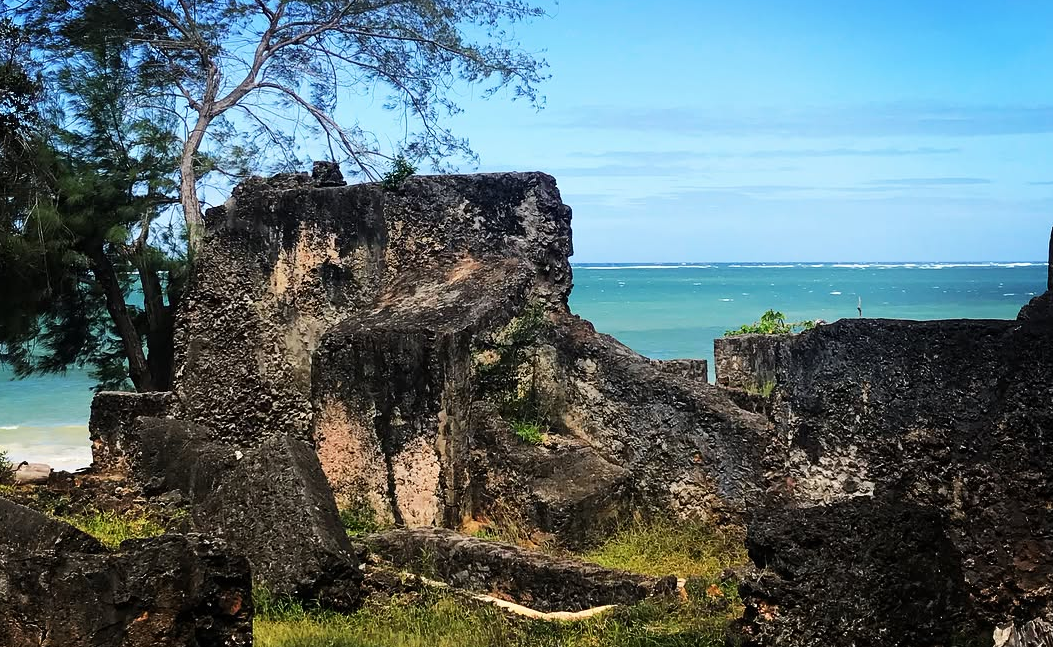
Jumba la Mtwana is the archaeological site of a 14th-century Swahili town, located on the coast of Kenya just north of Mombasa near Mtwapa Creek.
The name of this national monument translates from Swahili as "the large house of the slave," offering a mysterious and evocative glimpse into the life of a coastal settlement that was built and abandoned within a century.
The Large House of the Slave
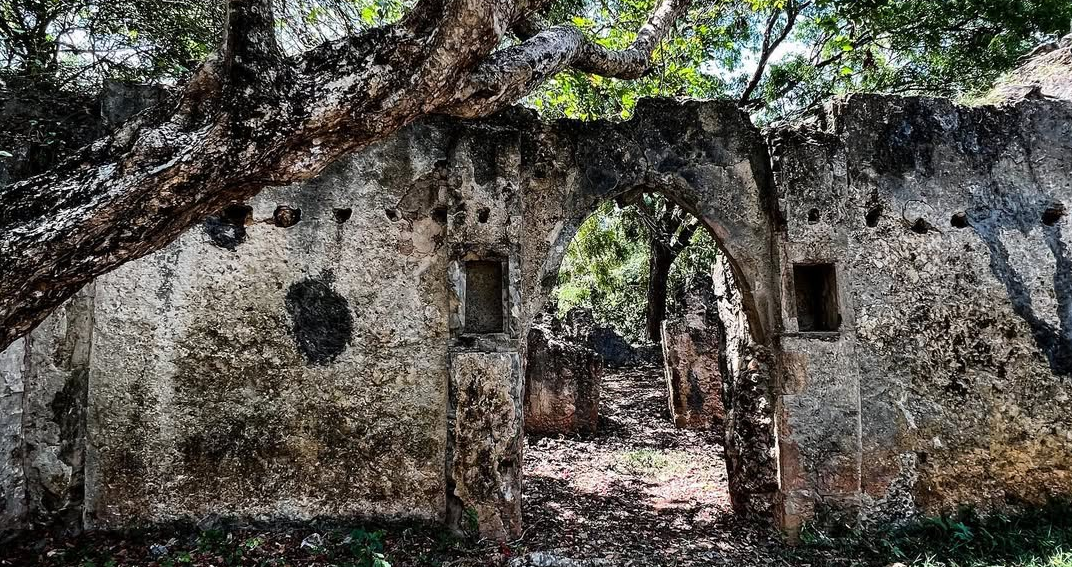
The name of the site, Jumba la Mtwana, translates directly from Swahili to "the large house of the slave." This name immediately connects the ruins to the long and complex history of the Indian Ocean slave trade, in which the Swahili coast played a significant role.
Local tradition suggests that the town may have been an important holding point in this network.
However, it is important to note that despite the evocative name, archaeological excavations have not unearthed direct evidence that Jumba la Mtwana was specifically a slave trading post.
The name's origin remains shrouded in mystery, and it may reflect a broader cultural memory of the era rather than the specific function of this particular settlement. This ambiguity adds another layer to the site's enigmatic atmosphere.
A Glimpse into 14th Century Swahili Life
The ruins of Jumba la Mtwana offer a fascinating window into the daily life of a 14th-century Swahili community. The town was strategically located to take advantage of fresh water sources and the cooling sea breezes.
The architectural style is typical of the period, with the main structures built from coral rag stone set in a lime mortar. The wealthier residents lived in these durable stone houses, while it is likely that the poorer inhabitants lived in mud and thatch huts that have long since disappeared.
The remains clearly indicate that the inhabitants were a devout Muslim community. The site contains the ruins of four distinct mosques, including a Great Mosque located by the sea.
The presence of multiple mosques in a relatively small settlement suggests a prosperous and religiously observant society.
The design of the houses, with their various rooms and courtyards, gives archaeologists insight into the domestic customs and social structure of the Swahili people during this era.
What Remains Today A Walk Through the Ruins
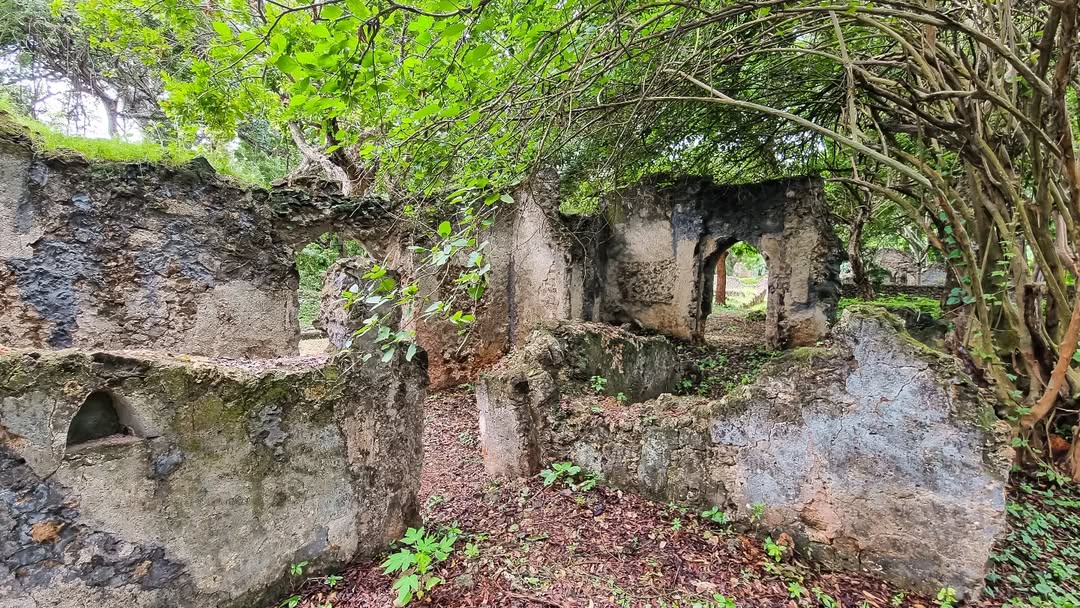
A visit to Jumba la Mtwana is a self-guided experience, walking along sandy paths that wind through the ancient structures.
The site is compact and easy to explore, with well-preserved ruins that clearly outline the layout of the original settlement. Informative signboards provide context for the different buildings you encounter.
The Four Mosques and Tomb
The most significant structures within the site are the four mosques. The largest of these, the "Mosque by the Sea," is particularly evocative with its remaining arches and walls set against the backdrop of the ocean. Its qibla wall, which indicates the direction of Mecca, is still clearly visible.
Near this mosque is a well-preserved tomb, which likely belonged to a venerated local leader or sheikh, a common feature in Swahili coastal settlements.
The Houses of Jumba la Mtwana
Beyond the religious buildings, you can wander through the remains of several stone houses. The "House of the Cylinders" and the "House of the Kitchen" are two of the more notable domestic structures.
While much of the detail has been lost to time, you can still trace the outlines of the rooms, courtyards, and even features like latrines, which provides a fascinating insight into the domestic life of the town's inhabitants centuries ago.
The Enigmatic Abandonment
One of the most intriguing aspects of Jumba la Mtwana is the fact that it had a very short lifespan.
Archaeological evidence suggests that the town was founded in the 14th century and was completely abandoned by the early 15th century, having been inhabited for only about a hundred years. This rapid desertion of a seemingly prosperous settlement is a key part of its mystery.
There are no signs of conquest or violent destruction at the site. The leading theories for its abandonment center on environmental and economic factors. It is possible that the wells that supplied the town with fresh water began to fail or turn saline, making the site uninhabitable.
Another strong possibility is that the shifting dynamics of the Indian Ocean trade routes, perhaps due to regional conflicts or the rise of more powerful nearby settlements like Mombasa, made Jumba la Mtwana economically unviable, prompting its residents to simply move elsewhere.
A Serene Setting on the Shores of Mtwapa Creek
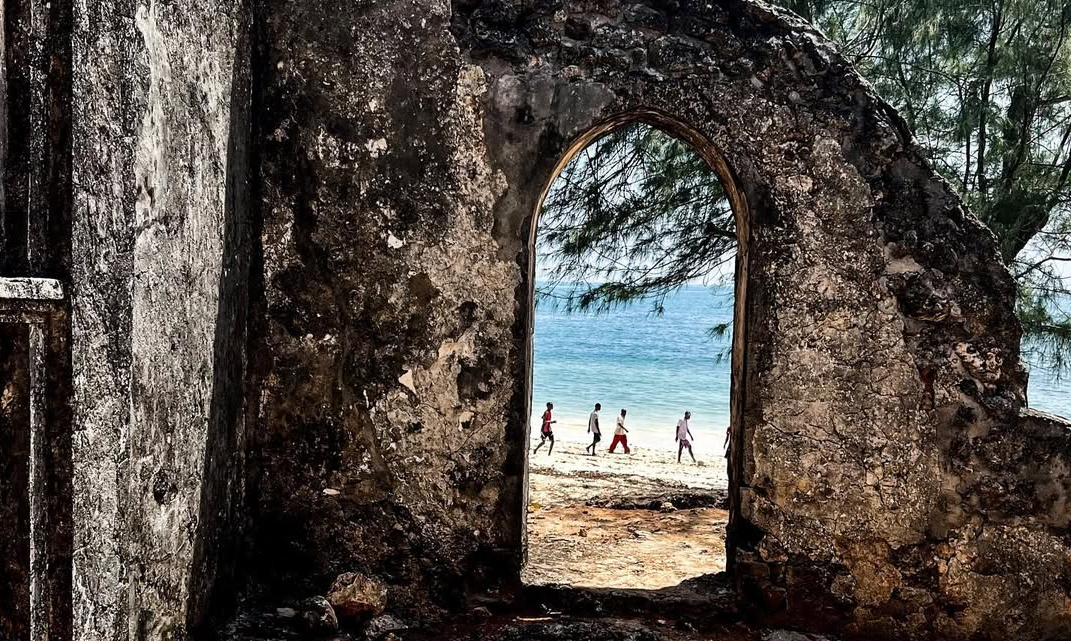
The location of Jumba la Mtwana is a huge part of its charm and makes it distinct from other historical sites on the coast.
The ruins are not enclosed by a forest but are set in a beautiful, open grove of ancient baobab trees right on a quiet, sandy beach. This stunning setting provides breathtaking views over the turquoise waters of Mtwapa Creek and the Indian Ocean.
The atmosphere is incredibly tranquil and peaceful. The sound of the ocean waves and the gentle sea breeze creates a serene environment for exploring the ancient stones.
The open space and the majestic baobabs give the site a timeless and contemplative quality, making it a perfect escape from the bustle of the nearby Mombasa-Malindi highway.
This beautiful coastal backdrop provides a powerful contrast to the mysterious history of the ruins themselves.
A Practical Guide for Your Visit
Jumba la Mtwana is an easily accessible and rewarding historical site for those staying on the north coast of Mombasa. It offers a quieter and more contemplative experience than the larger Fort Jesus, making it an excellent half-day excursion.
Entrance Fees and What to Expect
As a national monument managed by the National Museums of Kenya, an entrance fee is required to access the site. This fee supports the preservation of the ruins. The site is explored on foot via sandy paths, so comfortable walking shoes are recommended.
A visit typically takes about one to two hours. While there are informative signboards, hiring a local guide at the entrance can provide deeper historical context.
| Fee Category | Non-Resident (International) | East African Resident / Citizen |
|---|---|---|
| Adult Fee | KES 500 | KES 100 |
| Child Fee | KES 250 | KES 50 |
Location and Access
The ruins are located just off the main Mombasa-Malindi road, a few kilometers past Mtwapa town. The turn-off is clearly signposted. It is a short and convenient drive from the main tourist areas of Nyali, Bamburi, and Shanzu, and can be easily reached by taxi or a local tuk-tuk.
Book a Trip to Jumba la Mtwana Ruins
Include Jumba la Mtwana Ruins in your personalized Kenya safari itinerary and create unforgettable memories.
Plan My SafariMore Attractions
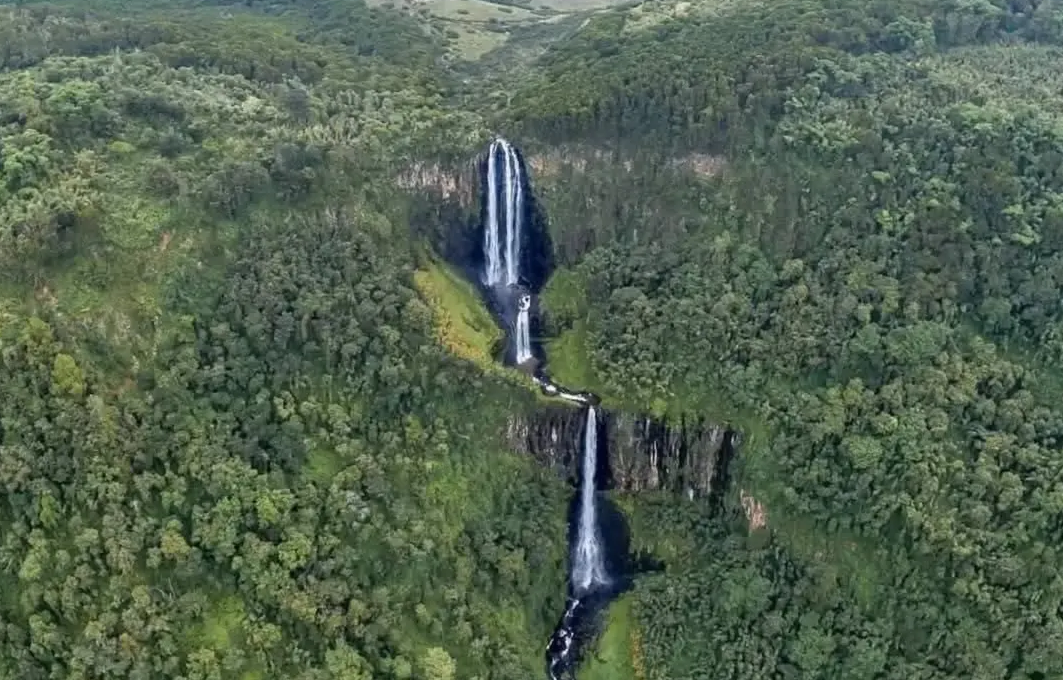
Karuru Falls (Aberdares)
Kenya's tallest waterfall in three breat...
Chania Falls (Aberdares)
Serene waterfalls cascading over rocky l...
Buffalo Springs (Buffalo Springs NR)
Life-giving natural springs in the arid...
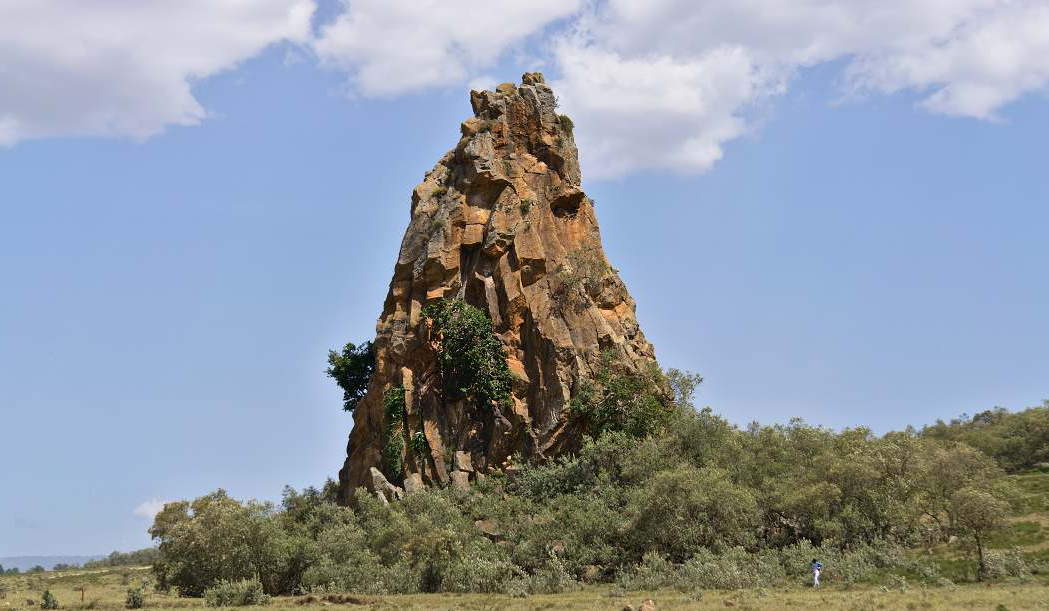
Fischer's Tower (Hell's Gate NP)
Iconic volcanic plug popular for rock cl...
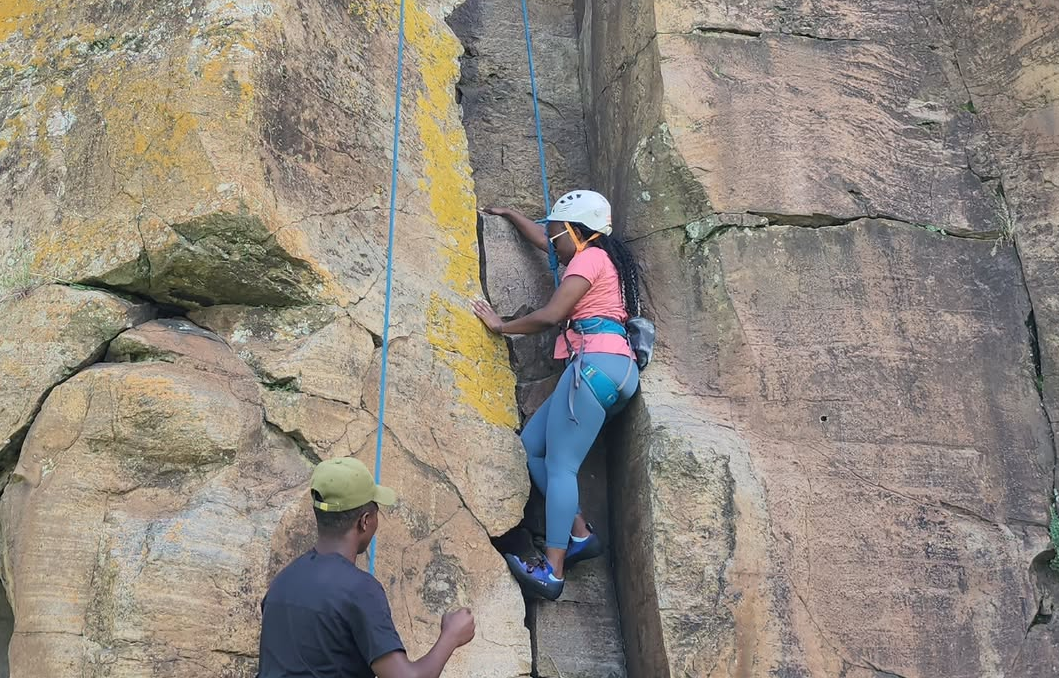
Central Tower (Hell's Gate NP)
Impressive rock tower offering climbing...
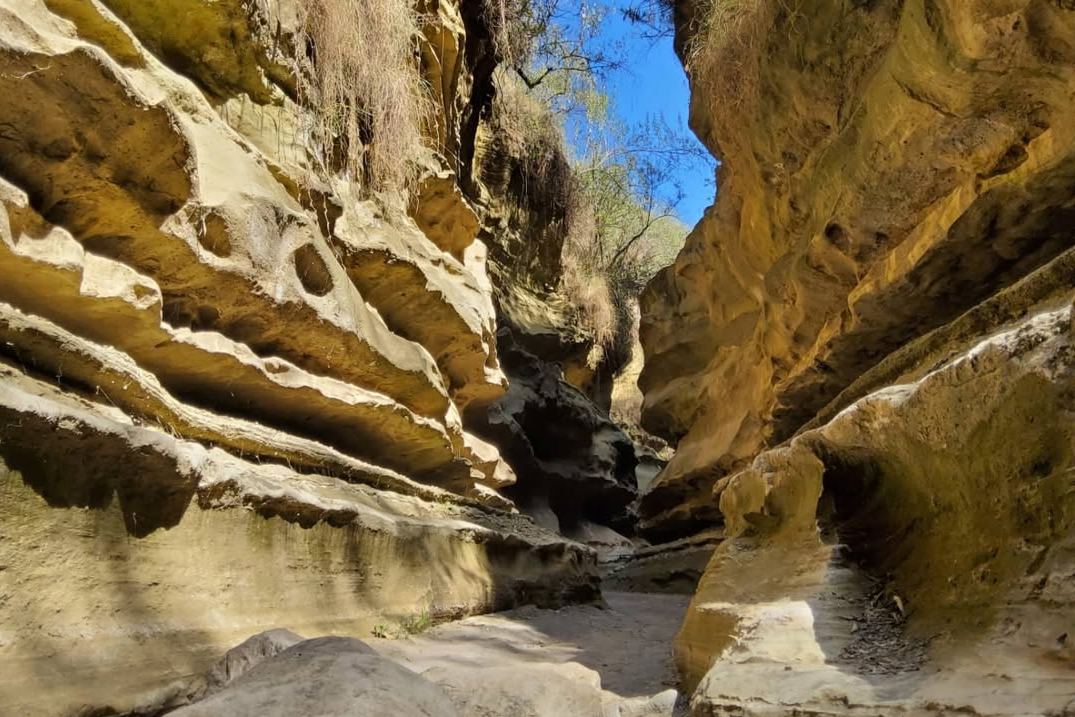
Ol Njorowa Gorge (Hell's Gate NP)
Dramatic gorge carved by ancient water f...