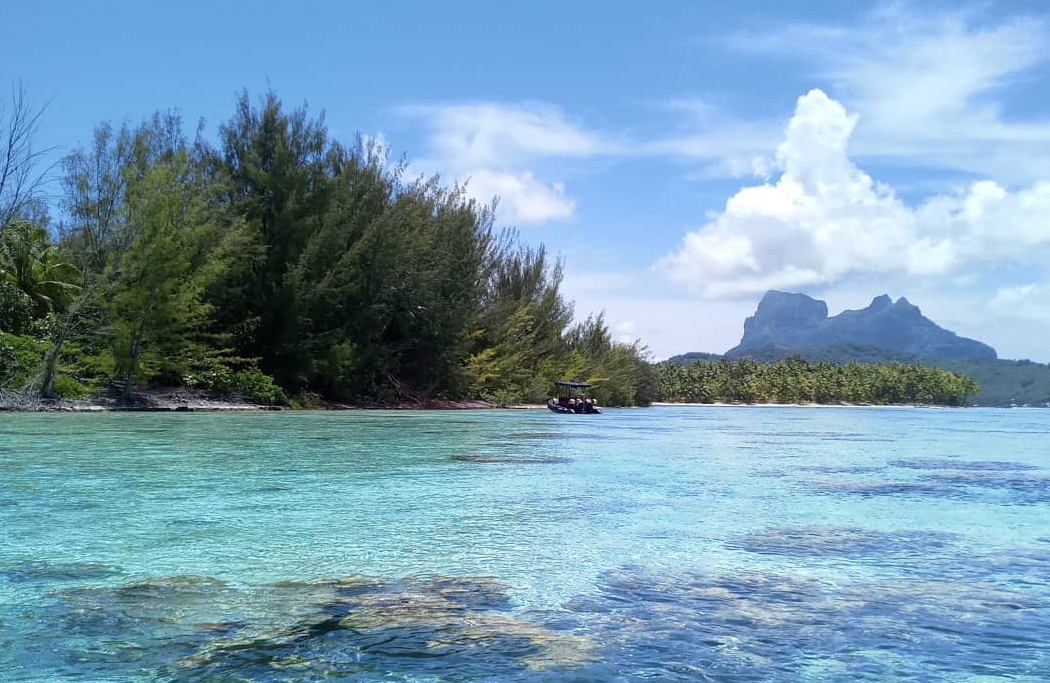
The Coral Gardens constitute the primary reef system within Malindi Marine National Park. This area provides one of Kenya's most accessible and well-documented snorkelling environments. The protected underwater ecosystem features extensive coral formations and supports a high density of marine life.
Coral Gardens as a Premier Snorkelling Destination
The Coral Gardens are a natural, extensive coral reef ecosystem, not a man-made structure.
The reef is situated within a shallow, sheltered lagoon. This location mitigates the impact of strong ocean currents.
It maintains calm, clear water conditions, which are optimal for snorkelling. The shallow depth allows sunlight to penetrate effectively, illuminating the diverse coral and fish species below.
Geographic Location of Coral Gardens within Malindi Marine Park
The Coral Gardens represent the most visited section of the marine park. They serve as the focal point for all glass-bottom boat and snorkelling excursions departing from Malindi.
Its geographic coordinates are approximately 3°14'45"S latitude and 40°08'30"E longitude.
The entire marine park, which includes the Coral Gardens, is a protected conservation area managed by the Kenya Wildlife Service (KWS). This management aims to preserve its marine biodiversity.
Understanding the Approximate Size of Coral Gardens
The primary snorkelling area of the Coral Gardens covers an estimated 4.5 square kilometres within the larger Malindi Marine National Park.
This concentrated area provides a critical breeding and feeding ground for hundreds of reef fish species. It exemplifies the coastal marine habitats Kenya actively works to conserve.
Classification of Malindi Marine Park
Malindi Marine National Park, which contains the Coral Gardens, is classified as a KWS Premium Park.
This designation reflects its high ecological value. It also indicates significant international visitor numbers and the critical conservation efforts required to maintain its delicate ecosystem.
Benefits of Visiting Coral Gardens Malindi Marine Park
The Coral Gardens provide a direct engagement with a complex marine ecosystem. The accessibility and density of life establish it as a significant site for recreational visitors and marine biology enthusiasts.
Coral Ecosystems Diversity within Coral Gardens
The reef structure comprises various hard and soft corals, forming a complex habitat. These formations provide essential food and shelter for hundreds of marine species.
The health and colour of these corals indicate the marine park's overall ecological condition.
Abundant Marine Life in Coral Gardens Malindi Marine Park
The Coral Gardens support a high-density population of tropical reef fish. Snorkellers observe schools of fish throughout their visit.
The ecosystem also supports various invertebrates. Occasional sightings of larger marine fauna, such as sea turtles and dolphins, occur within the wider park boundaries.
Underwater Photography Opportunities in Coral Gardens
The combination of shallow, clear water and bright equatorial sunlight creates optimal conditions for underwater photography.
The high concentration of colourful fish and intricate coral structures provides comprehensive subject matter for amateur and professional photographers.
Well-Preserved Natural Beauty of Coral Gardens
The site represents a well-preserved example of an East African coral reef.
The clarity of the water and the diversity of fauna and flora offer a direct visual experience of a thriving marine habitat. This habitat is managed and protected from commercial fishing and other extractive activities.
Planning Your Coral Gardens Malindi Marine Park Visit
A trip to the Coral Gardens involves straightforward logistics for visitors based in Malindi. The excursion is structured around boat transport. It requires adherence to Kenya Wildlife Service regulations.
Logistics for Reaching Coral Gardens
Access to the Coral Gardens occurs exclusively by boat. All official tours and boat hires operate from designated points. This ensures compliance with park regulations and safety standards.
Access from Malindi Town
The primary departure point for all marine park excursions is the Malindi jetty. The KWS offices are located here for fee payment. Licensed boat operators are also stationed at this location.
Boat Transfers to Coral Gardens Reef
Visitors board a glass-bottom boat at the jetty. This type of vessel allows for preliminary viewing of the reef and marine life en route.
The boat journey to the Coral Gardens reef system typically takes between 20 to 30 minutes. Boats anchor in the calm, shallow lagoon for the snorkelling activity.
Optimal Times for Visiting Coral Gardens Reef
Optimal conditions for snorkelling are dictated by Kenya's dry seasons. These seasons directly impact water clarity and sea conditions.
Seasonal Weather Conditions for Coral Gardens Visits
The two primary dry seasons offer the best conditions: July to October and January through March. During these months, minimal rainfall and calm winds result in superior underwater visibility.
Optimal Visibility for Snorkelling in Coral Gardens
Visitors should consider avoiding the main rainy seasons, from April to June and November to December. During these periods, runoff from the nearby Sabaki River introduces sediment into the ocean.
This can severely reduce visibility at the reef. Sea conditions may also be rougher, which affects the comfort and safety of the boat trip.
Essential Visitor Information for Coral Gardens
All international visitors must comply with Kenyan entry requirements and park-specific regulations. Preparation assists in a safe and successful excursion.
Kenya Electronic Travel Authorisation (eTA) Requirements
International visitors entering Kenya are required to obtain an Electronic Travel Authorisation (eTA) prior to their journey. Applications must be submitted online at least 72 hours before travel to allow for processing time. A valid eTA is mandatory for boarding flights to Kenya.
Recommended Items for Your Coral Gardens Trip
Visitors should bring high-SPF, reef-safe sunscreen, a wide-brimmed hat, and polarised sunglasses for protection against the sun.
Sufficient drinking water assists with hydration. An underwater camera provides a means for documenting marine life.
2026 KWS Premium Park Rates and Fees for Coral Gardens
The Coral Gardens are located inside a protected KWS Premium Park. All visitors must pay a daily conservation fee.
These fees are payable at the KWS office at the Malindi jetty before boarding your vessel. The 2026 fee structure appears below.
| Category | Adult Rate (USD) | Child/Student Rate (USD) |
|---|---|---|
| Non-Resident (International) | $25 | $15 |
| East African Resident | KSh 1,200 | KSh 600 |
| Kenyan Citizen | KSh 300 | KSh 215 |
Coral Gardens Child Rates and Exemptions
Child rates apply to persons aged 3 up to 17 years. Persons below 3 years of age are exempt from entry fees.
'Student' refers to individuals up to 23 years of age. They must be sponsored by a recognised educational institution and possess a valid student ID.
Exploring Coral Gardens Malindi Marine Park Ecosystems
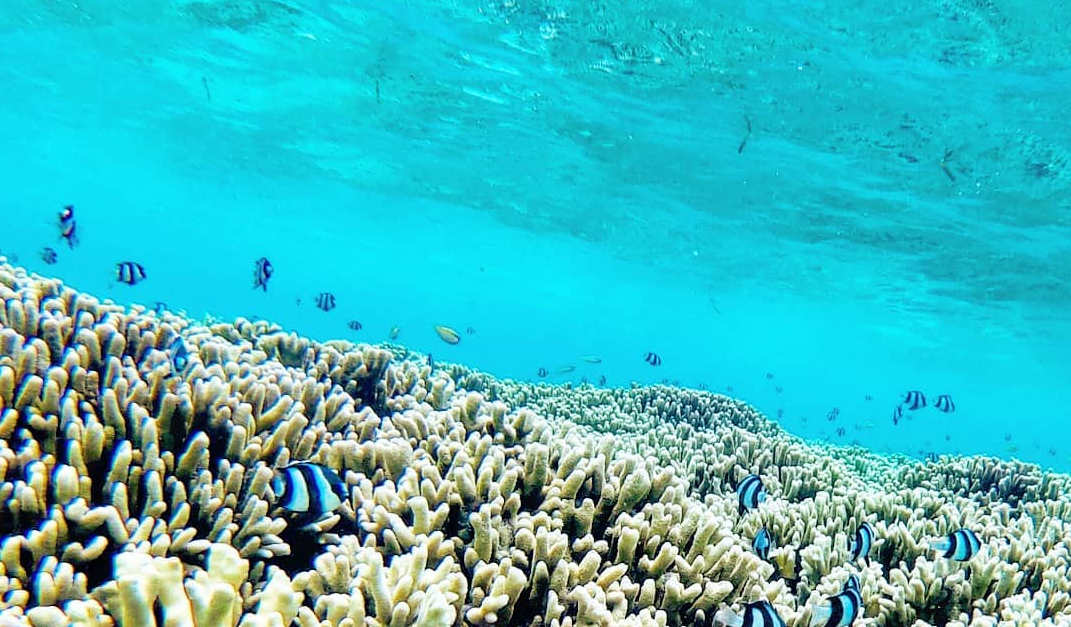
The clear, warm waters of the Coral Gardens support a complex and productive marine ecosystem. The shallow reef allows for detailed observation of species interactions.
Observable Coral Diversity in Coral Gardens
The reef's foundation comprises a mix of hard and soft corals. These living organisms provide the physical structure that offers sustenance and shelter to hundreds of other marine species.
Key Coral Genera Acropora Porites Favia in Coral Gardens
Visitors can observe various coral morphologies, including branching corals from the genus Acropora. Massive, boulder-like corals from the genus Porites are present, alongside brain corals from genera such as Favia.
These reef-building corals are fundamental to the ecosystem's architecture.
Unique Reef Structures and Formations in Coral Gardens
The reef features intricate structures, including plate corals and various soft corals. These soft corals sway with the gentle currents.
These formations create a complex topographical landscape. This landscape supports a high level of biodiversity.
Highlights of Marine Life in Coral Gardens
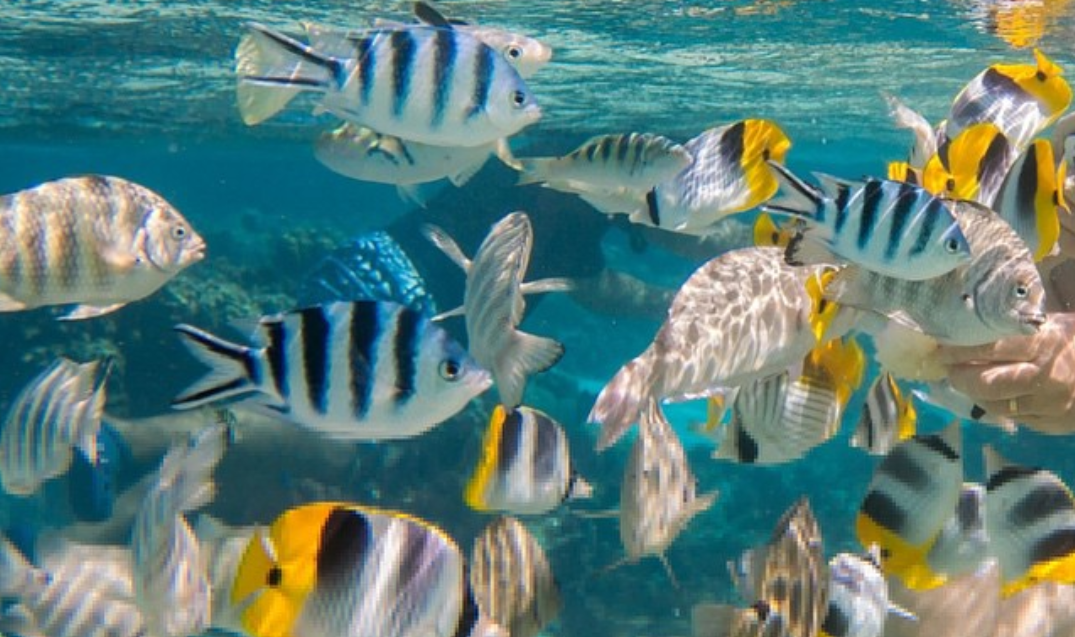
Beyond the general classification of "tropical fish," the Coral Gardens host specific and notable species. These species represent highlights for many visitors.
Prominent Resident Species of Coral Gardens
The reef supports a dense population of angelfish, butterflyfish, parrotfish, surgeonfish, and triggerfish. Wrasses and damselfish are ubiquitous.
An observer may also spot moray eels within reef crevices. Octopuses are visible camouflaged against coral structures. Starfish and sea urchins are common on the reef floor.
Seasonal Migratory Visitors to Coral Gardens
The broader marine park area is visited by larger species, though these are less common during a standard snorkelling trip. Green and Hawksbill sea turtles are frequently sighted.
Pods of dolphins may also be present. The area also lies on the migratory path of whale sharks (October-March). Sightings are rare this close to shore.
Observation of Unique Micro-habitats in Coral Gardens
Smaller, distinct environments exist within the larger reef system. These environments host specialised forms of life. These micro-habitats add another layer of complexity to the ecosystem.
Sea Grass Beds and Their Inhabitants in Coral Gardens
Adjacent to the main coral structures are sea grass beds. These areas serve as crucial nursery grounds for juvenile fish.
They are important feeding areas for sea turtles. They also host specific creatures such as pipefish and seahorses.
Anemonefish Colonies and Reef Caves in Coral Gardens
Small caves and overhangs within the reef provide shelter for nocturnal species and moray eels.
Sea anemones often host resident colonies of anemonefish (clownfish). This represents a classic example of a symbiotic marine relationship.
Designated Sites within Coral Gardens Malindi Marine Park
Local boat operators and KWS rangers recognise several distinct zones within the Coral Gardens. These zones are often referred to as a single entity, but each possesses specific features.
Popular Snorkelling Zones in Coral Gardens
The main snorkelling activity concentrates in the central lagoon. This area is known for its calm waters and high density of fish.
It suits families and first-time snorkellers due to its shallow depth, often only a few metres.
Named Dive Locations within Coral Gardens
For visitors with scuba certification, deeper sections on the outer edge of the reef are accessible. Sites sometimes referred to as "Turtle Point" or "The Pinnacles" offer wall dives.
They also provide the chance to observe larger pelagic species that do not venture into the shallow lagoon.
Special Interest Reef Areas within Coral Gardens
Certain areas are noted for specific marine life. For example, a particular section might feature a high concentration of large parrotfish.
Another location may reliably provide octopus sightings. Experienced local guides can navigate visitors to these points of interest.
Protecting Coral Gardens Malindi Marine Park
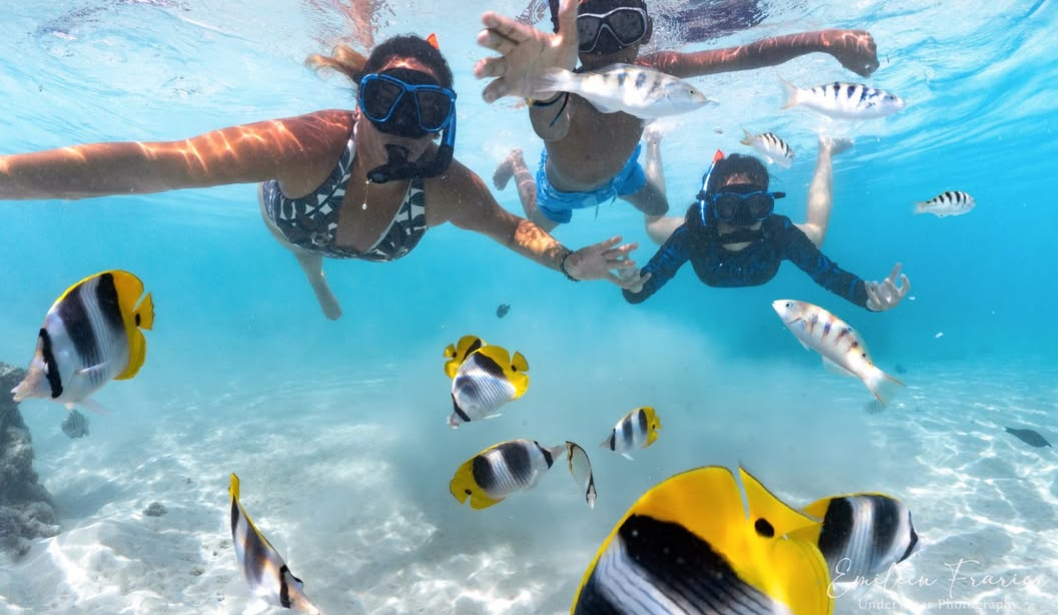
The Coral Gardens constitute part of a fragile ecosystem. This ecosystem requires stringent management and responsible visitor conduct to ensure its long-term survival.
Importance of Marine Conservation in Coral Gardens
The primary conservation objective focuses on the protection of the coral itself. As living organisms, corals are highly sensitive to physical damage, water quality changes, and temperature fluctuations.
Healthy coral forms the foundation for the entire reef community. It provides food and shelter for all other inhabitants.
KWS Ranger Presence and Their Role in Coral Gardens
The Kenya Wildlife Service maintains a constant presence in the marine park. KWS rangers patrol the waters to enforce regulations.
They monitor the reef's health and assist visitors. Their role extends beyond fee collection to active conservation and public education.
Local Community Involvement in Protecting Coral Gardens
Many boat operators and guides originate from the local community. They possess a vested interest in the reef's health.
They play a crucial role in educating visitors on responsible practices. These individuals often participate in local conservation initiatives, such as beach clean-ups and coral monitoring programmes.
Responsible Tourism Practices in Coral Gardens
The preservation of the reef depends heavily on visitor behaviour. All tour operators and KWS staff provide briefings on park rules and ecological sensitivity before visitors enter the water.
Guidelines for Observing Coral Gardens Marine Life
The most important rule involves avoiding all physical contact with the coral. Touching, standing on, or breaking pieces of coral can kill the polyps.
This action causes irreversible damage to the ecosystem. Visitors receive instruction to maintain a safe distance. They also learn to control their fins to avoid accidental contact.
Sustainable Snorkelling and Diving in Coral Gardens
Visitors receive encouragement to use reef-safe sunscreen. Conventional sunscreens contain chemicals harmful to coral.
Anchoring is restricted to designated sandy areas to prevent damage to the reef. Adhering to these guidelines allows visitors to contribute directly to the conservation of the Coral Gardens for future generations.
Frequently Asked Questions about Coral Gardens Malindi Marine Park
This section addresses common queries regarding safety, accessibility, and logistics for an excursion to the Coral Gardens.
Safety Guidelines for Coral Gardens Excursions
Life jackets are provided by all licensed boat operators. They are mandatory for non-swimmers.
The water inside the lagoon is typically very calm. Visitors should snorkel with a partner. Guides on the boat monitor snorkelers in the water.
Accessibility Information for Coral Gardens
The experience is highly accessible to all age groups and swimming abilities. This includes children and first-time snorkelers.
The shallow depth and calm conditions create a secure environment. The glass-bottom boat offers a viewing alternative for those who prefer not to enter the water.
Gear Rental Options for Coral Gardens Visits
The cost of a boat excursion typically includes the rental of a mask, snorkel, and fins. Equipment quality can vary between operators.
It is advisable to inspect the gear before departure. Visitors are welcome to bring their own equipment.
Booking Excursions to Coral Gardens
Excursions can be booked directly with boat operators at the Malindi jetty, often on the day of travel.
Alternatively, bookings can be made in advance through local tour operators or hotels in Malindi. These options may offer packages that include transport to the jetty.
Book a Trip to Coral Gardens (Malindi Marine Park)
Include Coral Gardens (Malindi Marine Park) in your personalized Kenya safari itinerary and create unforgettable memories.
Plan My SafariMore Attractions
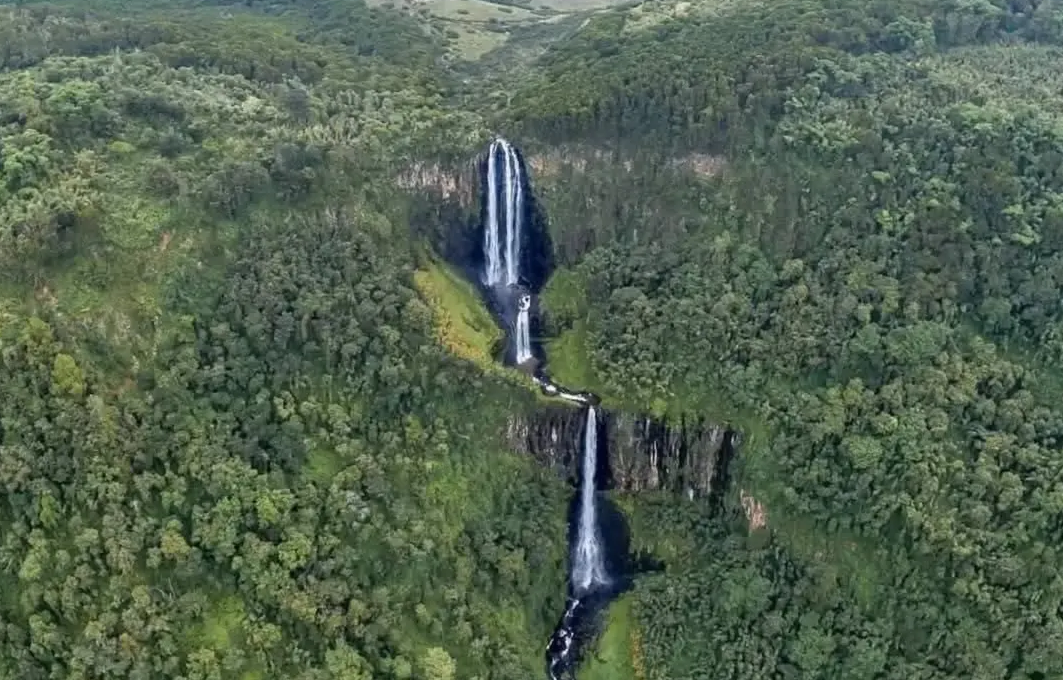
Karuru Falls (Aberdares)
Kenya's tallest waterfall in three breat...
Chania Falls (Aberdares)
Serene waterfalls cascading over rocky l...
Buffalo Springs (Buffalo Springs NR)
Life-giving natural springs in the arid...
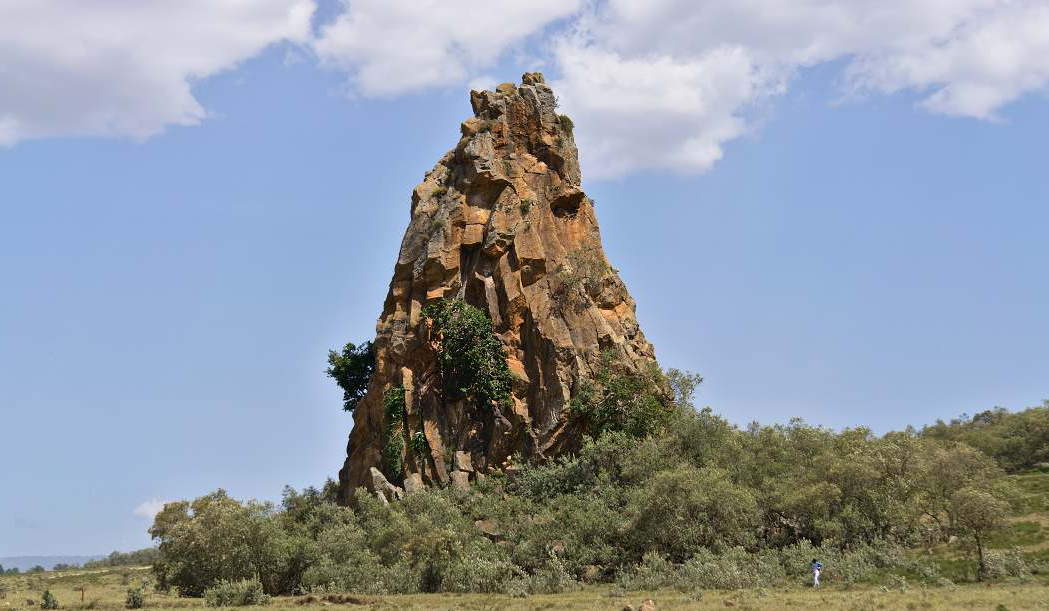
Fischer's Tower (Hell's Gate NP)
Iconic volcanic plug popular for rock cl...
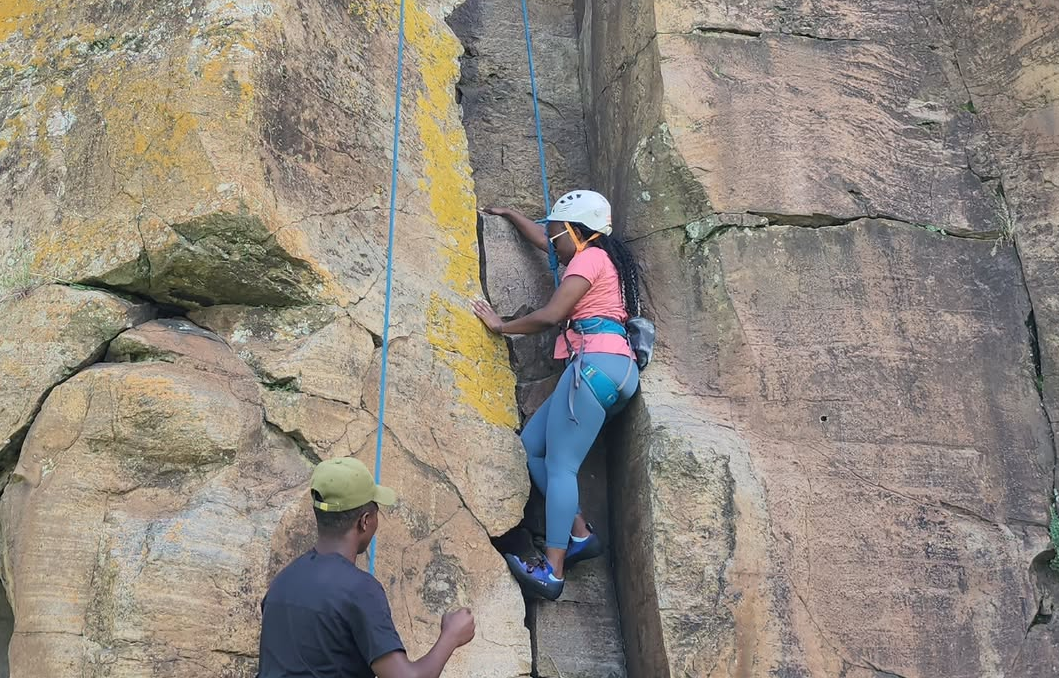
Central Tower (Hell's Gate NP)
Impressive rock tower offering climbing...
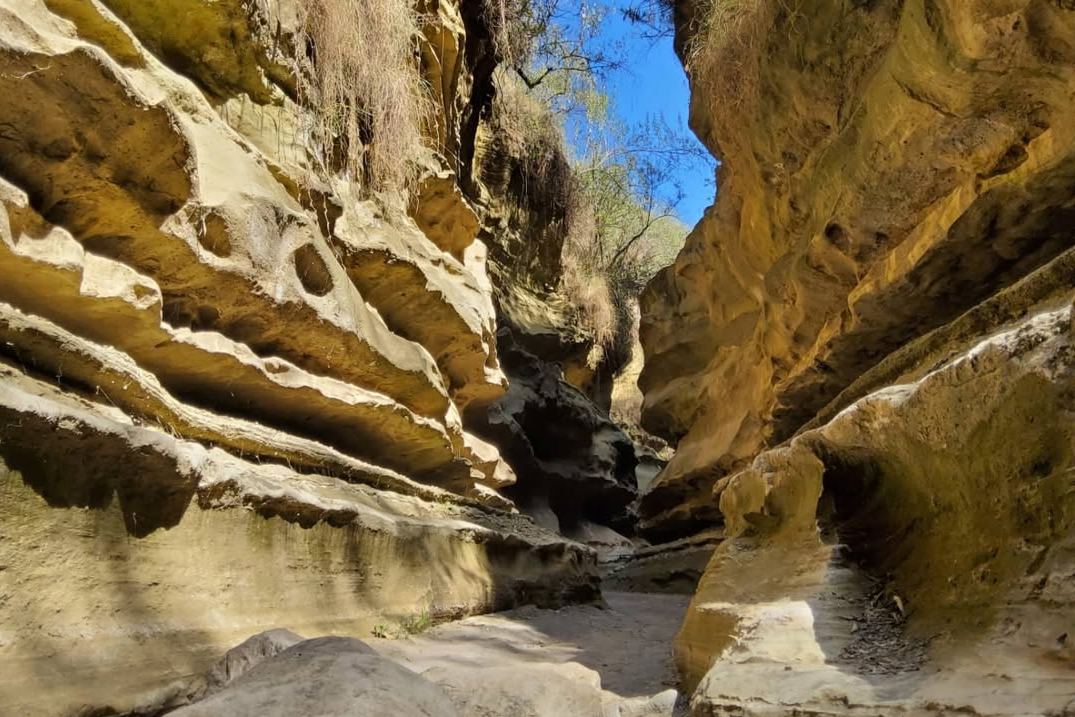
Ol Njorowa Gorge (Hell's Gate NP)
Dramatic gorge carved by ancient water f...