The Coral Gardens stands as a designated zone known for its high biodiversity within Watamu Marine Park. This area holds recognition as one of East Africa's most significant shallow reef ecosystems. This underwater area, Kenya's oldest marine protected area established in 1968, provides a critical habitat for a dense population of reef fish and extensive coral formations.
Its protected status as part of a UNESCO Biosphere Reserve ensures a managed environment. This managed environment provides exceptional snorkeling conditions. Long-term conservation within the park has fostered a mature and resilient reef system, which remains shielded from overfishing and environmental pressures that affect other coastal areas.
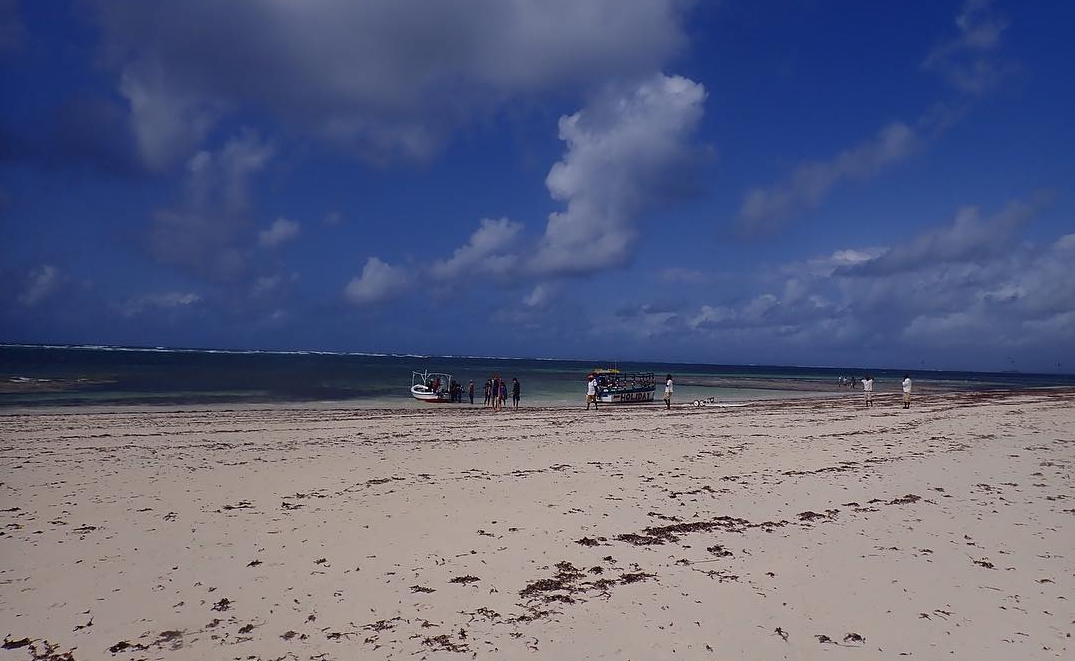
Exploring Coral Gardens Watamu Marine Park Depths
The underwater topography of the Coral Gardens features a complex arrangement of individual coral heads, known locally as "bommies." These bommies rise from a sandy seabed. These structures create a varied landscape of channels, overhangs, and small canyons that form micro-habitats for diverse marine species.
Depths within the designated snorkeling area range from 4 to 10 metres. This range accommodates different levels of snorkeling proficiency.
Snorkeling Opportunities at Coral Gardens
Snorkeling is the primary activity at Coral Gardens. The shallow inner reef sections offer calm, clear water, suitable for novices.
Excursions provide navigation between large coral heads. Participants observe the specific marine communities each head supports. The close proximity of these bommies creates a continuous exploration route.
Diving Experiences at Coral Gardens
The Coral Gardens are known for snorkeling. The outer edges also offer opportunities for shallow scuba diving.
These areas feature a gentle slope that leads to deeper waters. Here, different coral structures and a wider array of marine life, including larger pelagic species, become visible. Diving provides a different perspective on the coral heads. This allows for closer inspection of crevices, where moray eels, octopus, and crustaceans reside.
Size and Scale of Coral Gardens
Approximate Area Defined
The core area of the Coral Gardens, most frequently visited for snorkeling, covers approximately 2 square kilometres. This concentrated zone contains the highest density of mature coral bommies. It serves as the focal point for most guided boat tours originating from the Watamu KWS station.
Comparison within Watamu Marine Park
This 2-square-kilometre section represents a small but ecologically critical part of the larger Watamu Marine National Park, which spans 10 square kilometres. The gardens serve as a protected nursery. The health of this core zone directly influences fish populations and biodiversity throughout the entire park and the adjoining Malindi Marine National Park.
Remarkable Coral Ecosystems
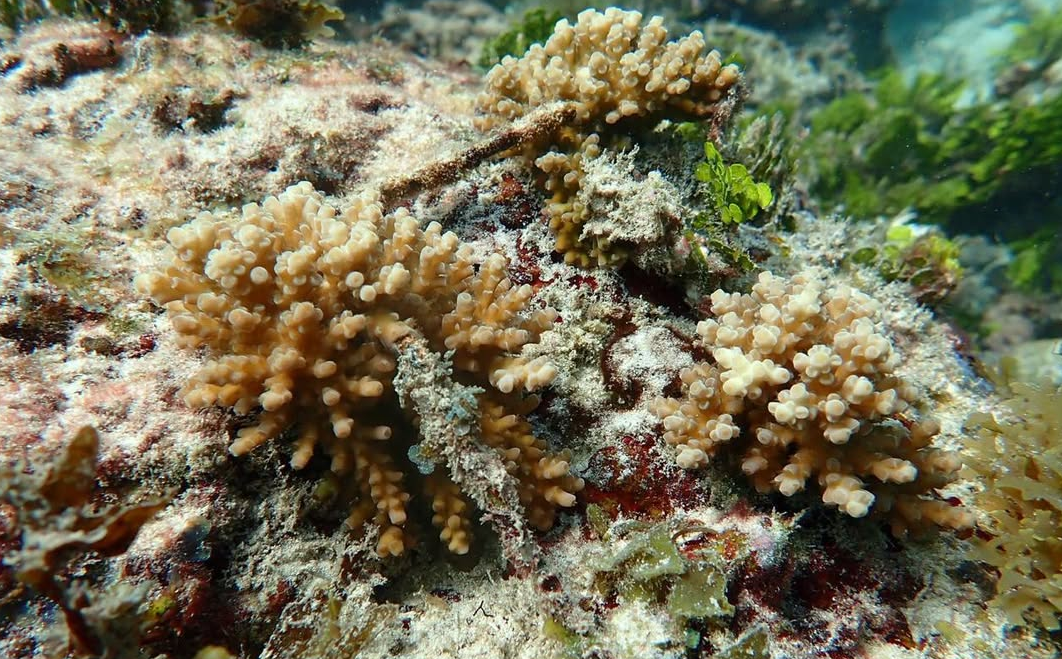
Over five decades of continuous protection directly contribute to the reef's health. This longevity allows for the development of large-scale, mature coral structures, which are uncommon in less protected regions. The ecosystem sets a benchmark for marine conservation success in the Western Indian Ocean.
Notable Coral Species Diversity
The gardens feature a diverse assembly of hard and soft corals, rather than a monoculture. Key species include delicate branching *Acropora* (staghorn corals) and tabular corals. These provide essential shelter for juvenile fish. These diverse scleractinian corals form the foundation of the reef structure.
Unique Soft and Branching Corals
The ecosystem also supports a significant population of soft corals. These include *Sarcophyton* (leather corals) and various species of sea fans. These species add to the structural complexity of the reef. They provide different food sources and habitats compared to hard coral counterparts.
Massive Brain Coral Formations
Massive, boulder-like brain corals, primarily from the genus *Porites*, define the Coral Gardens. Some individual colonies are estimated to be several hundred years old. These form immense bommies that rise several metres from the seabed, acting as central hubs for marine activity.
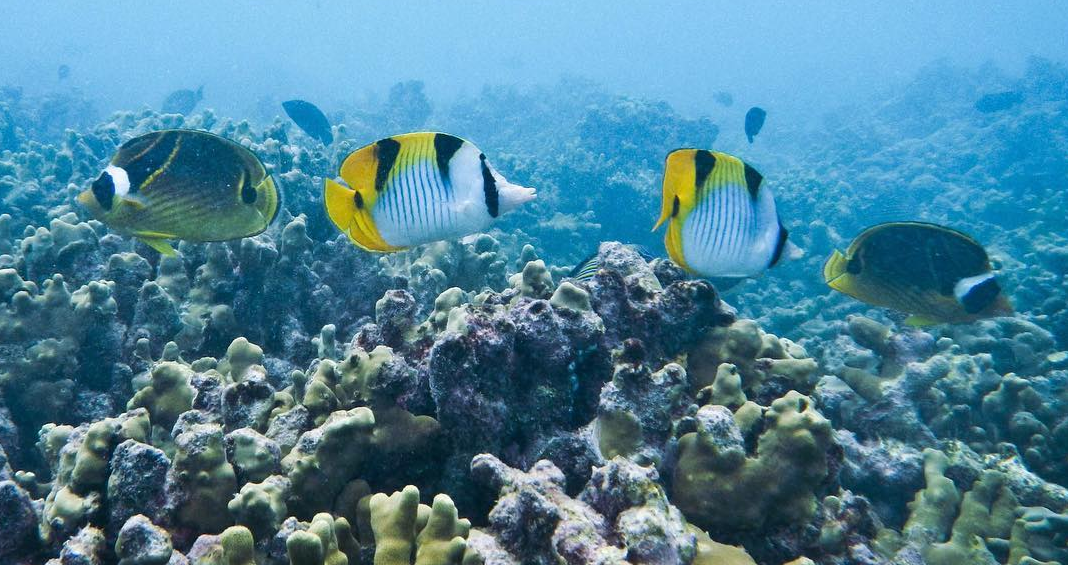
Unique Marine Life at Coral Gardens
Watamu Marine Park's protected status supports an extraordinary density of marine fauna. The Coral Gardens function as a natural aquarium. Here, specific species interactions are reliably observed.
Rare Fish Species Sightings
The Coral Gardens host common reef fish and less common species sought by marine enthusiasts. Visitors can sight the Napoleon wrasse, black-and-white snappers, and chevron barracuda.
The crevices of the bommies provide habitats for reclusive species. These include moray eels, lionfish, and scorpionfish.
Endemic Invertebrate Populations
The reef's complex structure provides ideal conditions for invertebrates. Octopus are frequently sighted hunting on the sandy flats between coral heads. Various species of lobster, shrimp, and nudibranchs inhabit the coral structures. The invertebrate population's health indicates the ecosystem's overall stability.
Frequent Visitor Species
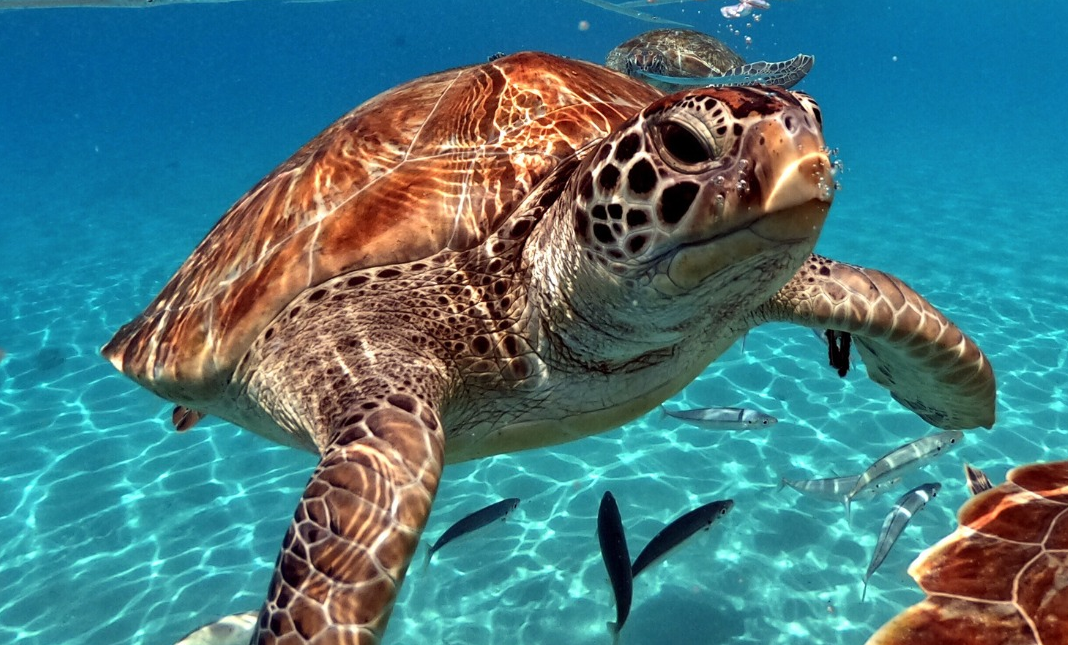
Watamu provides a critical feeding ground for sea turtles. Green sea turtles are a common sighting at Coral Gardens. Visitors observe them grazing on the seagrass beds located between the bommies. Hawksbill turtles are also present, though less frequent.
During the migration season from November to February, the deeper waters adjacent to the reef host whale sharks and manta rays. Plankton blooms draw these species.
Distinct Underwater Features
The reef features distinct zones and landmarks known to local KWS-licensed guides. It is not a uniform structure.
Informally Named Zones
Guides often refer to specific areas by their dominant marine life. One notable zone is "Turtle Pasture," which describes the extensive seagrass beds where green turtles consistently feed. Another area, rich in anemones, is sometimes called "Anemone City." This area offers reliable sightings of clownfish and domino damselfish.
Prominent Coral Structure Landmarks
Several exceptionally large bommies serve as navigational landmarks for guides and divers. These massive coral heads, some exceeding 5 metres in height, host unique communities of fish. They serve as focal points for underwater observation. Each landmark structure provides a distinct snorkeling or diving experience.
Visiting Coral Gardens Watamu Park Logistics
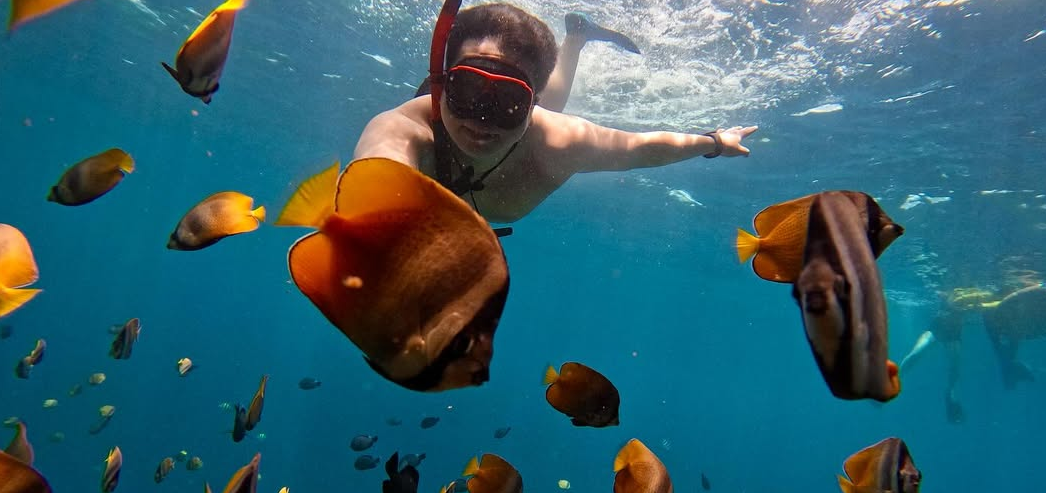
Accessing the Coral Gardens requires logistical coordination through licensed operators. Adherence to Kenya Wildlife Service (KWS) regulations is necessary.
Getting There and Access Points
The main public beach adjacent to the KWS Watamu Marine Park headquarters provides the sole access point for boat excursions to the Coral Gardens. KWS-licensed local boat operators conduct all trips. A standard excursion lasts two to three hours. It includes boat transport, a guide, and basic snorkeling equipment.
Best Times for Exploration
Optimal underwater visibility serves as the primary factor for a successful trip. The period from October to March, during the Kaskazi monsoon, provides the best conditions. Northeasterly winds define this season. These winds result in calm, warm, and clear waters, with visibility frequently exceeding 20 metres. The Kusi monsoon, from April to August, brings stronger winds and rougher seas. These conditions can increase water turbidity and reduce visibility.
2026 Entry Fees for Coral Gardens Watamu Marine Park
Entry to the Coral Gardens requires payment of a mandatory daily conservation fee. Visitors pay this fee to the Kenya Wildlife Service. This fee is non-negotiable. It funds the park's operational and conservation efforts. Visitors must pay fees at the KWS office before boarding a boat. The 2026 rates for Watamu Marine Park, a KWS Premium Park, are structured by residency status and season.
| Fee Category | Non-Resident | East African Resident | Kenyan Citizen |
|---|---|---|---|
| Adult (High Season) | USD $25 | KES 1,000 | KES 500 |
| Child (High Season) | USD $15 | KES 500 | KES 300 |
| Adult (Low Season) | USD $20 | KES 500 | KES 300 |
| Child (Low Season) | USD $15 | KES 300 | KES 200 |
Note: High season is defined as January-June & September-December. Low season is July-August. Payments are cashless. Verify current rates on the official KWS website before visiting.
Best Exploration Practices
Visitor conduct remains critical for the preservation of the Coral Gardens. All activities must adhere to KWS park regulations. These regulations are enforced to protect the fragile ecosystem.
Passive observation forms the primary rule. Touching, standing on, or breaking coral is strictly prohibited. Such actions damage decades of coral growth. Visitors must maintain a safe distance from all marine life. Feeding fish is also forbidden. This activity disrupts natural behaviours and ecosystem balance.
The use of reef-safe sunscreen is strongly recommended. This sunscreen excludes chemicals like oxybenzone and octinoxate, preventing chemical damage to the coral. Following these protocols ensures visitors contribute to the long-term health of this vital marine habitat.
Book a Trip to Coral Gardens (Watamu Marine Park)
Include Coral Gardens (Watamu Marine Park) in your personalized Kenya safari itinerary and create unforgettable memories.
Plan My SafariMore Attractions
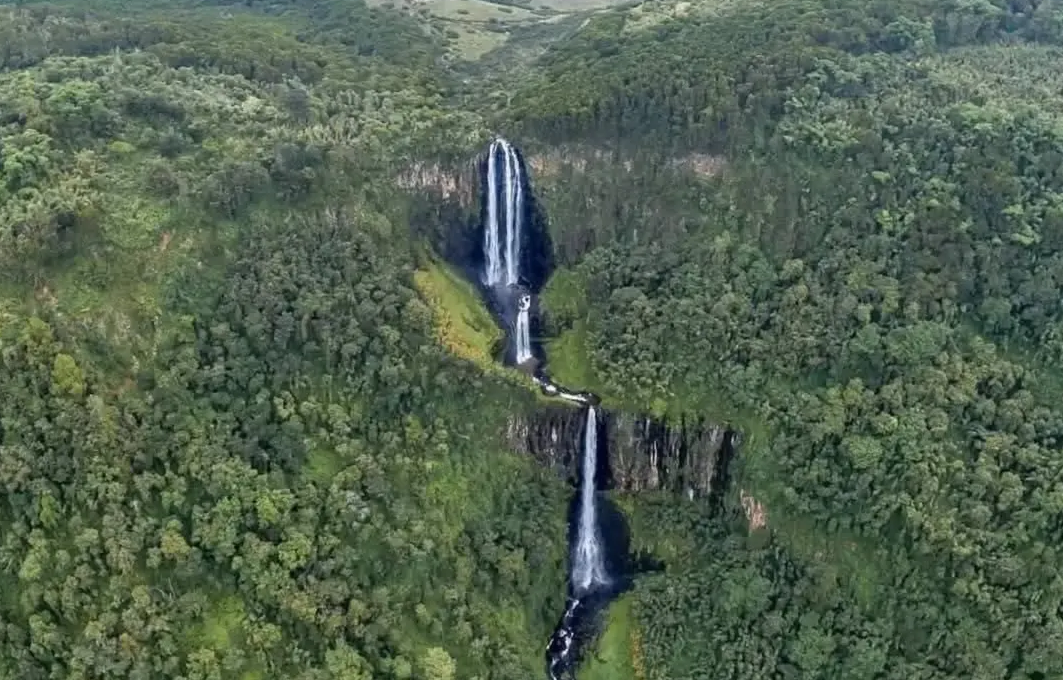
Karuru Falls (Aberdares)
Kenya's tallest waterfall in three breat...
Chania Falls (Aberdares)
Serene waterfalls cascading over rocky l...
Buffalo Springs (Buffalo Springs NR)
Life-giving natural springs in the arid...
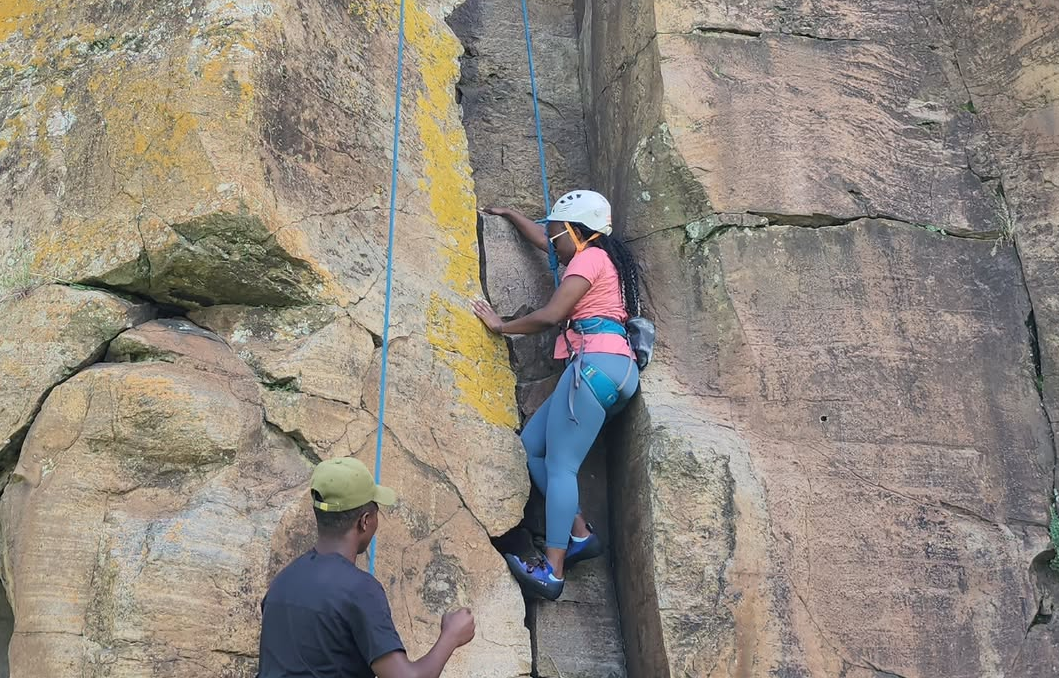
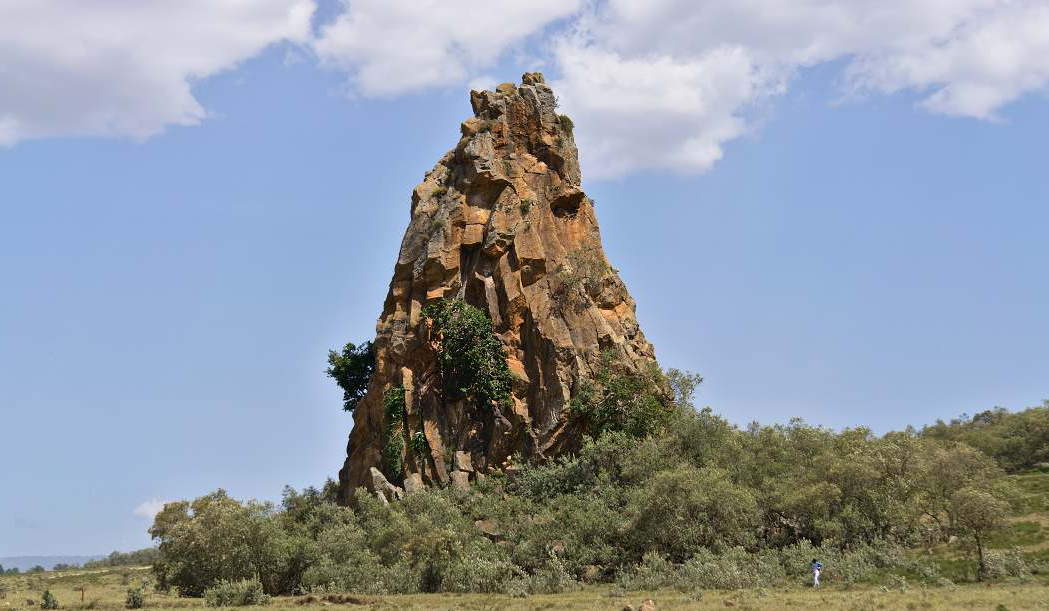
Fischer's Tower (Hell's Gate NP)
Iconic volcanic plug popular for rock cl...
Central Tower (Hell's Gate NP)
Impressive rock tower offering climbing...
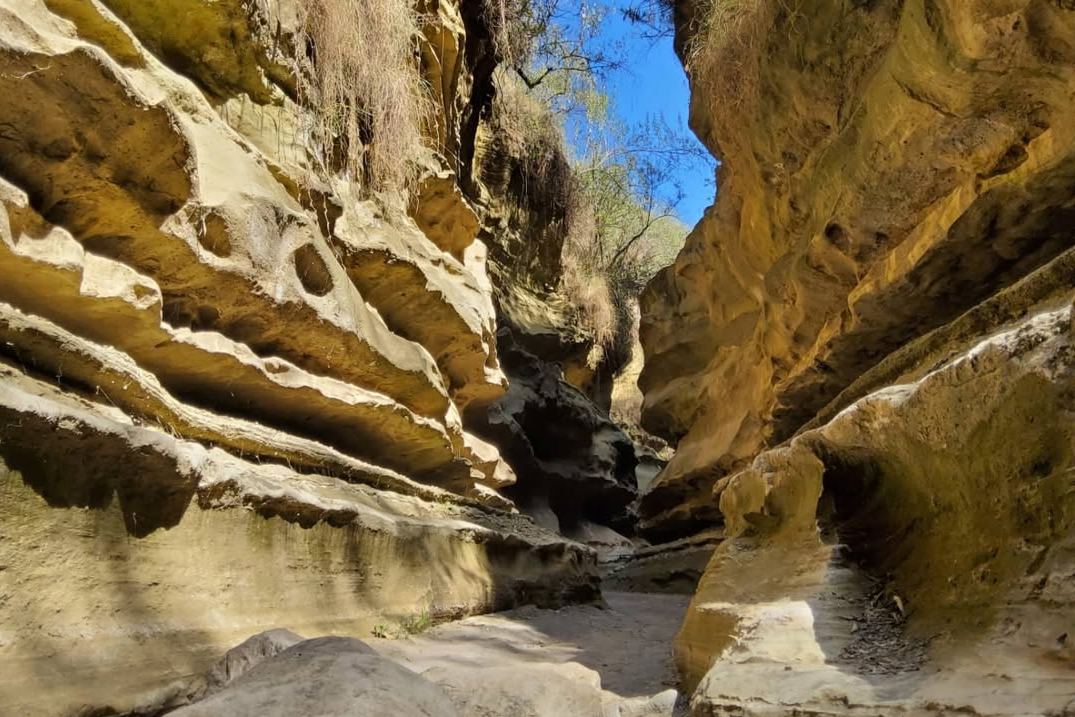
Ol Njorowa Gorge (Hell's Gate NP)
Dramatic gorge carved by ancient water f...