Lugard Falls is a significant geological feature located on the Galana River, positioned centrally within Tsavo East National Park, Kenya.
This site is not a singular, vertical waterfall but a kilometre-long series of high-volume, white-water rapids.
The river's entire flow is channelled through a narrow, constricted gorge, a process that has sculpted the rock formations over millennia.
Named after British administrator Frederick Lugard, the falls demonstrate the immense power of fluvial erosion on the Tsavo East safari circuit.
Lugard Falls: Distinctive Rapids, Not a Vertical Waterfall
The name 'Lugard Falls' is a historical misnomer.
The feature is correctly defined as a sequence of powerful, cascading rapids where the Galana River is forced through a narrow channel of rock.
This compression accelerates the water flow, creating a turbulent and acoustically impressive display.
The sheer kinetic energy of the water provides a captivating visual experience.
During the rainy seasons (April-June and November-December), the river transforms into a formidable torrent.
In the dry season, the volume remains substantial, showcasing the constant geological work of the river.
Experiencing Lugard Falls
A visit to Lugard Falls offers direct, sensory engagement with the Galana River.
The site is a designated stop for safari itineraries, featuring structured areas for observation.
Visitors can leave their vehicles in a secure car park and approach the gorge on foot.
The experience includes observing the water's force, feeling the spray, and hearing the roar of the rapids.
During the dry season, under the explicit guidance of a Kenya Wildlife Service (KWS) ranger or a certified guide, visitors may descend onto the exposed rock shelves for a ground-level perspective.
This access is strictly conditional on river levels and safety assessments.
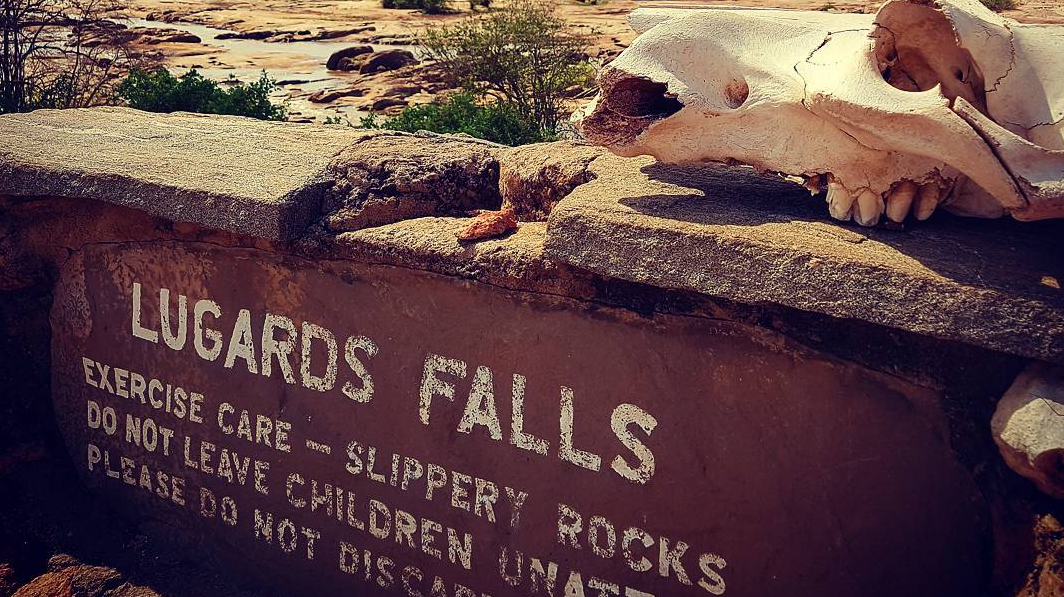
Safe Viewing Points for Lugard Falls
Several designated viewing points are positioned along the gorge's rim, offering secure, elevated perspectives of the rapids.
These platforms ensure visitor safety and provide unobstructed views for observation and photography.
Downstream, a short drive connects Lugard Falls to Crocodile Point.
This location offers a safe vantage point over a calmer, wider section of the river where large congregations of Nile crocodiles are frequently observed basking on the sandbanks.
The combination of the turbulent falls and the placid crocodile habitat provides a comprehensive riverine experience.
Geological Formation of Lugard Falls in Tsavo East
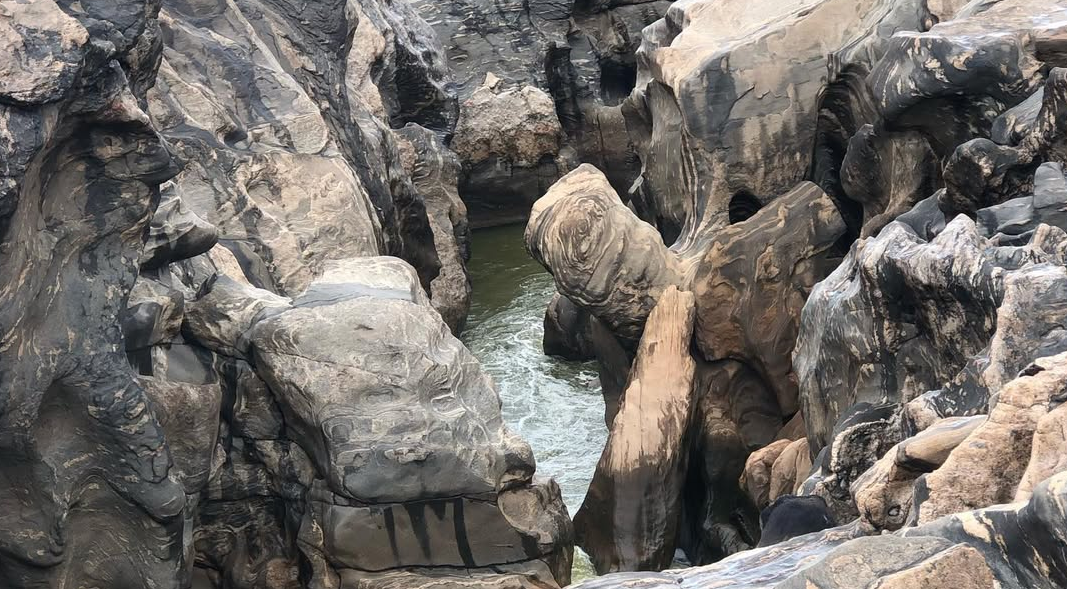
The gorge at Lugard Falls is carved through Precambrian metamorphic rocks, primarily gneiss and schist.
Over millions of years, the abrasive action of sediment-laden floodwaters has sculpted these hard rocks into smooth, flowing forms.
The process of hydraulic action and abrasion has created a series of potholes, flutes, and polished surfaces.
The rock itself is distinctly multicoloured, displaying hues of pink, grey, and white which are intensified when wet.
These patterns provide a clear visual record of the water's historical flow paths and erosive power.
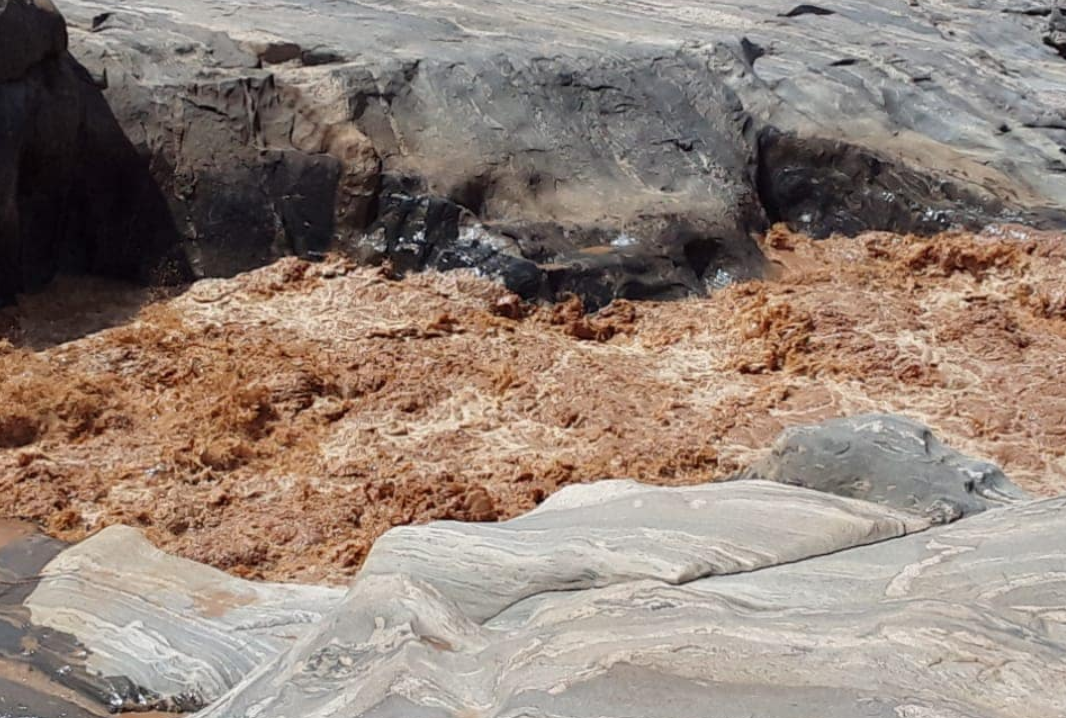
Specialised Life Supported by Lugard Falls' Microclimate in Tsavo East
The constant spray and shaded, cool rock faces of the gorge create a distinct microclimate that supports specialised flora and fauna.
This environment provides a habitat for specific species of lizards, such as the Flat-headed Agama, which are often seen on the rocks.
The area is a key watering point, attracting large mammals including Tsavo's famed red-dusted elephants, hippos, and various antelope species.
The river itself supports a substantial population of Nile crocodiles and various fish species, which in turn attract water-associated birds like kingfishers, herons, and fish eagles.
Photography Tips for Lugard Falls
Effective photography at Lugard Falls requires specific techniques to manage the high-contrast lighting and water movement.
- Motion Blur: Use a tripod and a slow shutter speed (e.g., 1/2 to 2 seconds) to create a smooth, milky effect on the flowing water. A Neutral Density (ND) filter may be required to achieve this in bright daylight.
- Reduce Glare: A circular polarising filter is essential. It will reduce the glare from the wet rock surfaces, thereby enhancing their natural colours and textures.
- Optimal Lighting: The 'golden hours' of early morning and late afternoon provide the best light, casting soft shadows that define the rock formations and enrich their colours. Midday sun can be harsh, creating excessive contrast.
- Composition: Use the swirling lines of the eroded rock as natural leading lines to guide the viewer's eye towards the rapids.
Planning a Visit to Lugard Falls: Essential Information
A stop at Lugard Falls is a logistical component of most game-drive circuits in Tsavo East.
It provides a natural break and a different type of attraction from standard wildlife viewing.
Precise planning ensures an efficient and safe visit.
Location and Accessibility of Lugard Falls
Lugard Falls is situated in the central tourism sector of Tsavo East National Park, directly on the Galana River.
The site is clearly signposted and accessible via the park's main road network.
It is a standard feature on routes connecting the Voi Gate and Manyani Gate areas with the Aruba Dam region.
The drive to the falls from any direction constitutes a game drive, with frequent sightings of elephants, giraffes, zebras, and lions.
Optimal Seasons for Visiting Lugard Falls
The visual character of Lugard Falls varies significantly between seasons, offering two distinct experiences.
- Peak Flow (April-June & November-December): Following the rainy seasons, the river is at its highest volume. This period showcases the rapids at their most powerful and dramatic, with a thunderous sound and extensive white water.
- Low Flow (July-October & January-March): During the dry seasons, lower water levels expose a greater area of the sculpted gneiss and schist rock formations. This is the optimal time for walking within the gorge (with a guide) and for detailed photography of the geological features.
Safety Guidelines and Park Regulations at Lugard Falls
Visitor safety is paramount.
The rocks can be extremely slippery when wet, and the river's currents are deceptively strong.
- Professional Guidance: Always adhere to the instructions of your KWS-certified safari guide or an official KWS ranger. They possess the necessary experience to evaluate the river conditions and designate safe zones for walking.
- Prohibited Activities: Swimming is strictly forbidden due to the powerful currents and the presence of crocodiles.
- Vehicle Protocol: Alighting from vehicles is permitted only in the designated car park area.
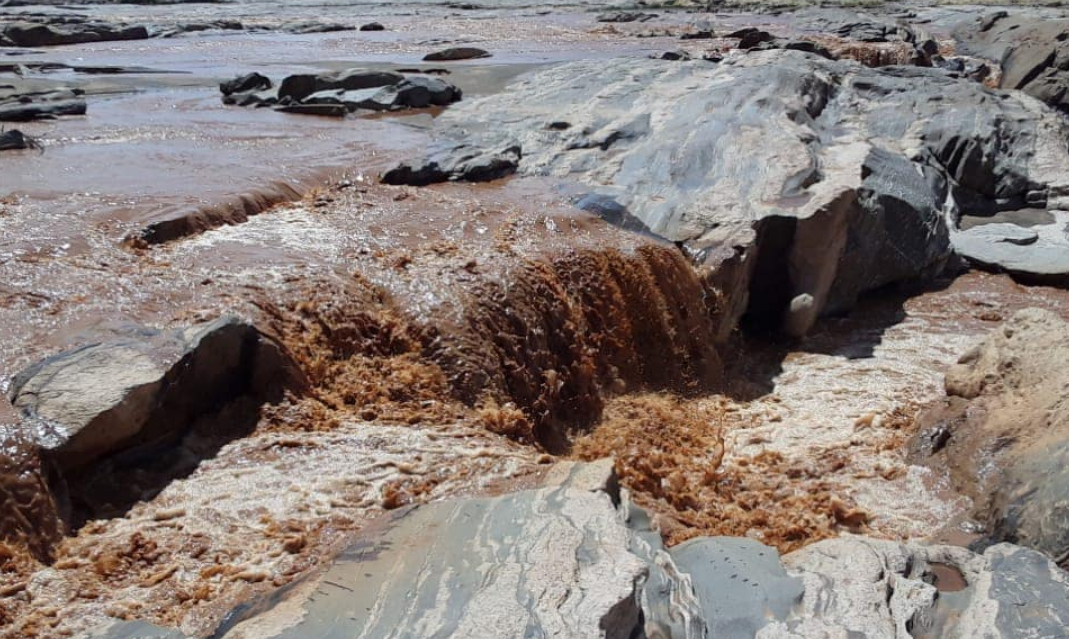
Cultural Significance of Lugard Falls
The official name commemorates Frederick Lugard.
However, the Galana River holds deep significance for local communities, including the Kamba and Giriama peoples.
The river, known historically as the 'Sabaki' in its lower reaches, was a vital resource and trade route.
The specific area of the rapids, with its powerful and unnavigable water, was likely a landmark with local names and stories that predate its colonial renaming, often associated with the river's life-giving yet dangerous spirit.
Logistics and Travel to Lugard Falls in Tsavo East
Access to Lugard Falls requires entry into Tsavo East National Park.
The falls are an internal park attraction reached via safari vehicle.
Independent travel to the falls without a park-registered vehicle and guide is not typically undertaken.
Travel Times and Safari Routes to Lugard Falls
Lugard Falls is integrated into full or half-day game drive circuits. Approximate driving times from key park entry points, subject to wildlife sightings and road conditions, are:
- From Voi Gate: Approximately 1.5 to 2 hours.
- From Manyani Gate: Approximately 1 hour.
- From Aruba Lodge/Dam: Approximately 45 minutes to 1 hour.
These routes are typically planned by safari operators to include other points of interest such as Mudanda Rock and the Kanderi Swamp.
2026 Infrastructure for Accessing Lugard Falls in Tsavo East
As of 2026, the primary access roads within Tsavo East leading to Lugard Falls are well-maintained gravel roads, graded regularly by KWS.
These roads are suitable for all standard 4x4 safari vehicles.
For visitors arriving by air, the most convenient airstrips are Voi, Manyani, Satao, and Sala, from which a road transfer via a safari vehicle is required to reach the falls.
2026 Electronic Travel Authorisation for Entry
Effective 2026, all foreign visitors entering Kenya must obtain an Electronic Travel Authorisation (eTA) prior to their departure.
The previous visa system has been replaced.
Applicants must submit their details through the official government eTA portal, and it is recommended to apply at least 72 hours before travel to allow for processing.
A valid eTA is mandatory for boarding flights to Kenya.
2026 Entry Fees and Costs for Lugard Falls in Tsavo East
Access to Lugard Falls is included in the daily park entry fee for Tsavo East National Park.
The attraction does not require a separate fee.
As a KWS Premium Park, the 2026 conservation fees are structured by season.
| Category | High Season (July - March) | Low Season (April - June) |
|---|---|---|
| Adult Non-Resident (per 24 hours) | USD 100 | USD 80 |
| Child Non-Resident (per 24 hours) | USD 35 | USD 20 |
| Adult East African Resident (per 24 hours) | KES 1,200 | KES 500 |
| East African Citizen (per 24 hours) | KES 800 | KES 500 |
Note: Fees are subject to change. Always verify the latest fee schedule on the official Kenya Wildlife Service (KWS) website before travel.
Check Out Tsavo East National Park Attractions
Discover more attractions and activities in Tsavo East National Park
Visit DestinationBook a Trip to Lugard Falls (Tsavo East)
Include Lugard Falls (Tsavo East) in your personalized Kenya safari itinerary and create unforgettable memories.
Plan My SafariMore Attractions
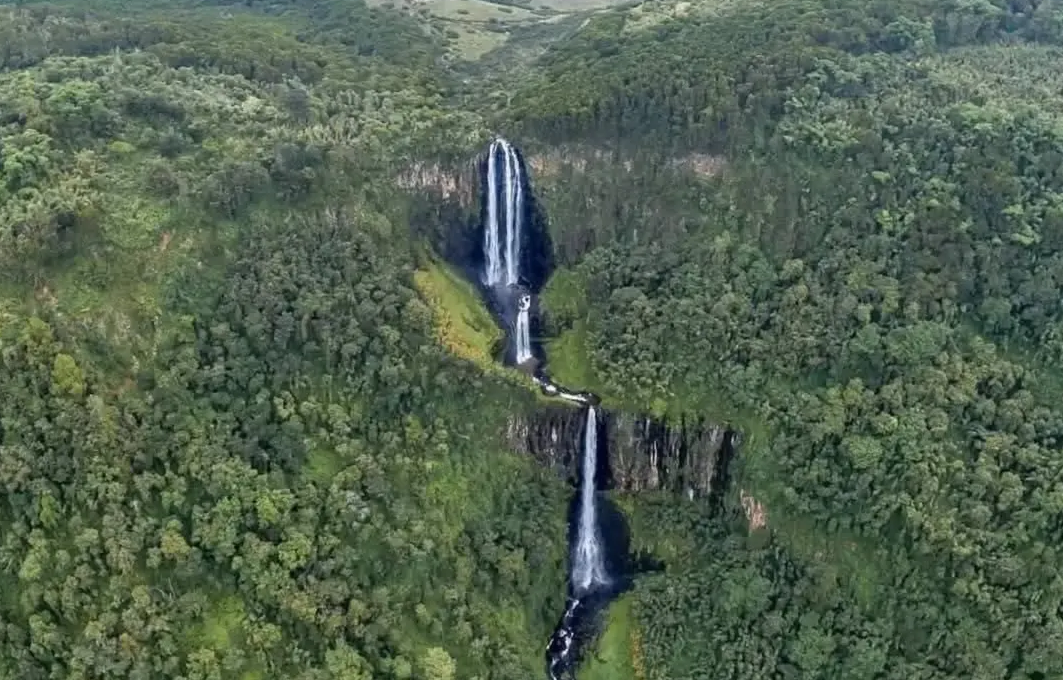
Karuru Falls (Aberdares)
Kenya's tallest waterfall in three breat...
Chania Falls (Aberdares)
Serene waterfalls cascading over rocky l...
Buffalo Springs (Buffalo Springs NR)
Life-giving natural springs in the arid...
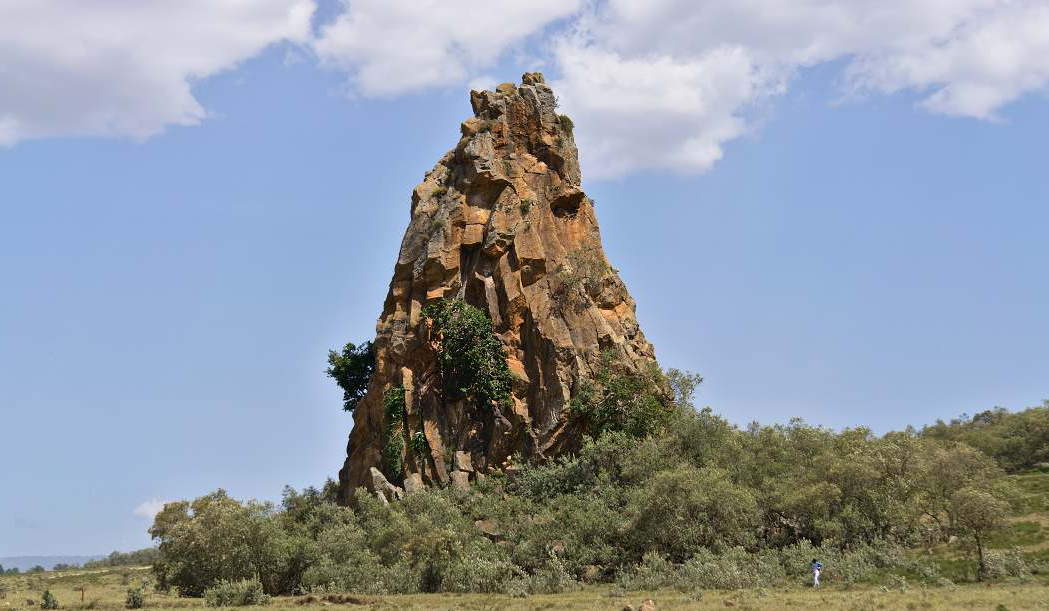
Fischer's Tower (Hell's Gate NP)
Iconic volcanic plug popular for rock cl...
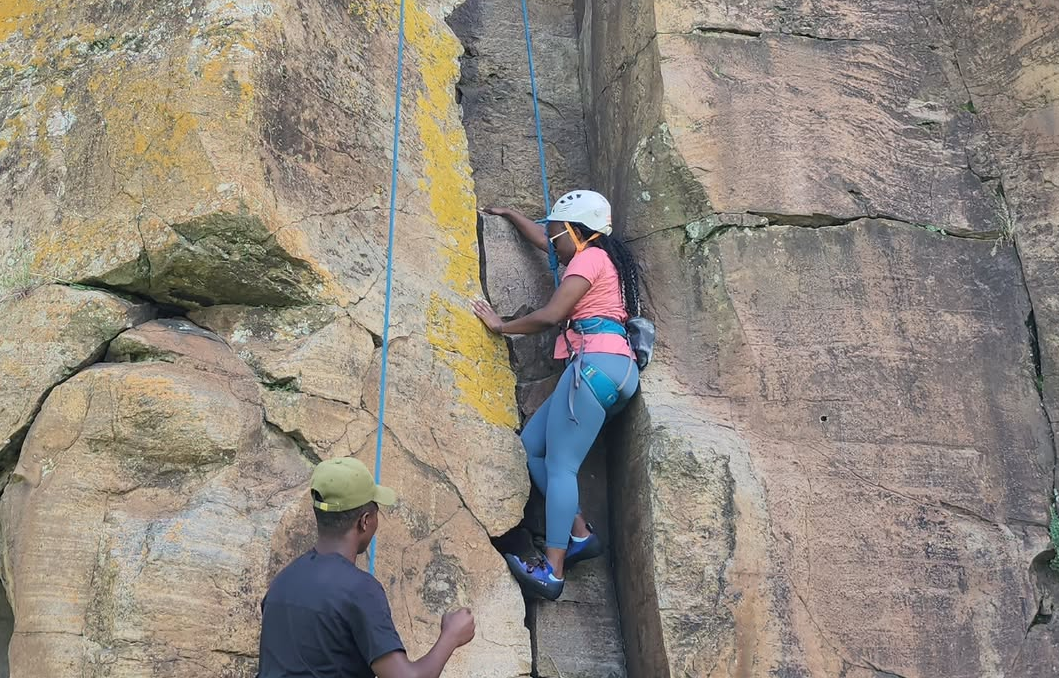
Central Tower (Hell's Gate NP)
Impressive rock tower offering climbing...
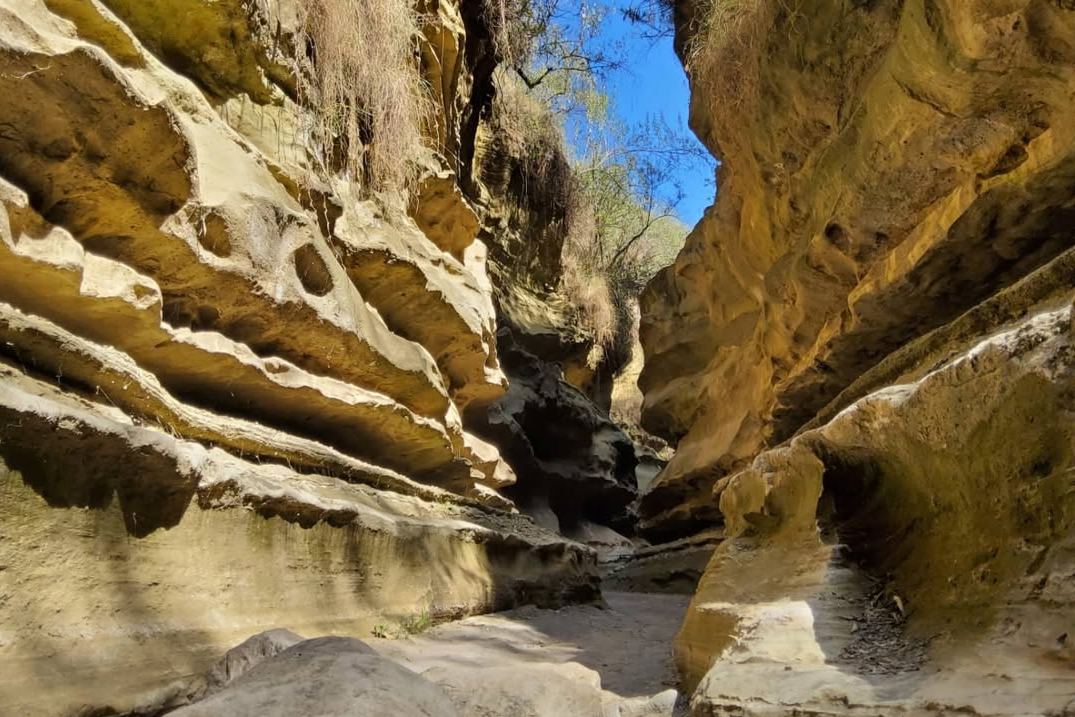
Ol Njorowa Gorge (Hell's Gate NP)
Dramatic gorge carved by ancient water f...