The Masai Mara National Reserve offers excellent birdwatching opportunities. Its diverse landscapes support both resident and migratory bird species.
Situated in south-western Kenya, the reserve's 1,510 square kilometres of savanna, riverine forest, and escarpment provide critical habitats for a significant portion of Kenya's bird species.
The ecosystem's high productivity, particularly its insect and small mammal populations, sustains a large number of both specialist and generalist bird species throughout the year.
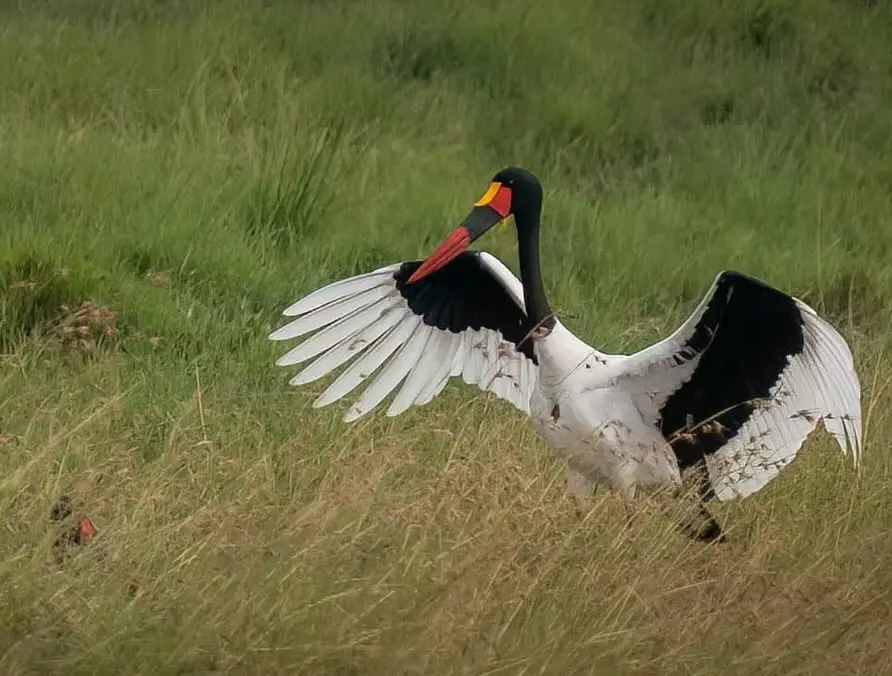
Extensive Bird Diversity
The Masai Mara documents over 570 recorded bird species. This figure includes approximately 12 regional endemics and a significant concentration of raptors, with 57 diurnal species recorded.
The annual arrival of Palearctic migrants from November to April further increases the species count, making it a critical ornithological area.
Resident species range from the 2.7-metre tall Common Ostrich to small, colourful passerines like the Lilac-breasted Roller, the national bird of Kenya.
Varied Landscapes Supporting Bird Life
The reserve's topography is a key factor in its bird diversity.
Open grasslands are ideal for ground birds such as the Secretarybird and Kori Bustard.
The riverine forests bordering the Mara and Talek Rivers provide refuge for reclusive species.
Rocky kopjes (outcrops) serve as vital nesting and observation points for raptors.
Seasonal wetlands that form during the rainy seasons attract many waders and waterfowl, adding varied birding opportunities.
Key Birdwatching Habitats and Locations
Specific micro-habitats within the Masai Mara ecosystem offer distinct birdwatching opportunities.
Targeting these zones increases the probability of sighting specific families of birds.
Riverine Forests and Water Sources
The forested banks of the Mara River and its main tributary, the Talek River, are primary locations for spotting water-dependent species.
Key birds in this habitat include the African Finfoot, Giant Kingfisher, and Schalow's Turaco.
These permanent water sources are also crucial for resident birds during the dry season, concentrating bird life in predictable areas.
Distinct Grassland Ecosystems
The open plains vary in composition; they consist of different grass species and drainage patterns, such as the 'black cotton soil' areas.
These grasslands are the primary habitat for Ostrich, Secretarybirds, Kori Bustards, and numerous lark and pipit species.
The large size of this habitat allows for easy spotting of large terrestrial birds.
Rocky Kopjes and Raptor Viewing Areas
Granite outcrops, known as kopjes, punctuate the plains and serve as strategic perches and nesting sites for birds of prey.
These are reliable locations for observing Verreaux's Eagles, Augur Buzzards, and Lanner Falcons.
The elevated vantage points allow raptors to scan the surrounding grasslands for prey.
Birding Opportunities in Adjacent Conservancies
The privately managed conservancies bordering the main reserve, such as the Mara Triangle, Olare Motorogi, and Naboisho, offer specific advantages.
With lower vehicle densities and the ability to conduct guided walking safaris and night drives, these areas provide opportunities to observe species not easily seen from a vehicle.
This includes nocturnal birds like owls and nightjars.
Best Time of Day for Birdwatching in the Masai Mara
Bird activity in the Masai Mara peaks during the cooler hours of the day.
The most productive periods for birdwatching are from dawn until mid-morning and again in the late afternoon as temperatures decrease.
Morning Hours 6:00 AM to 9:00 AM
This is the primary window for bird activity.
At dawn, birds are most vocal and active, engaging in feeding, territorial calls, and courtship displays.
The cool, quiet conditions make species such as the Lilac-breasted Roller, Secretarybird, and various raptors and waterfowl highly visible.
Bird activity diminishes significantly as the sun climbs and temperatures rise towards midday.
Afternoon Sessions 4:00 PM to 6:00 PM
As the heat of the day subsides, birds re-emerge to feed before roosting for the night.
This period offers excellent photographic opportunities due to the soft, angled light that illuminates plumage.
It is a reliable time to observe birds congregating at water sources or returning to feeding grounds.
Best Time for Migratory Birds at the Masai Mara
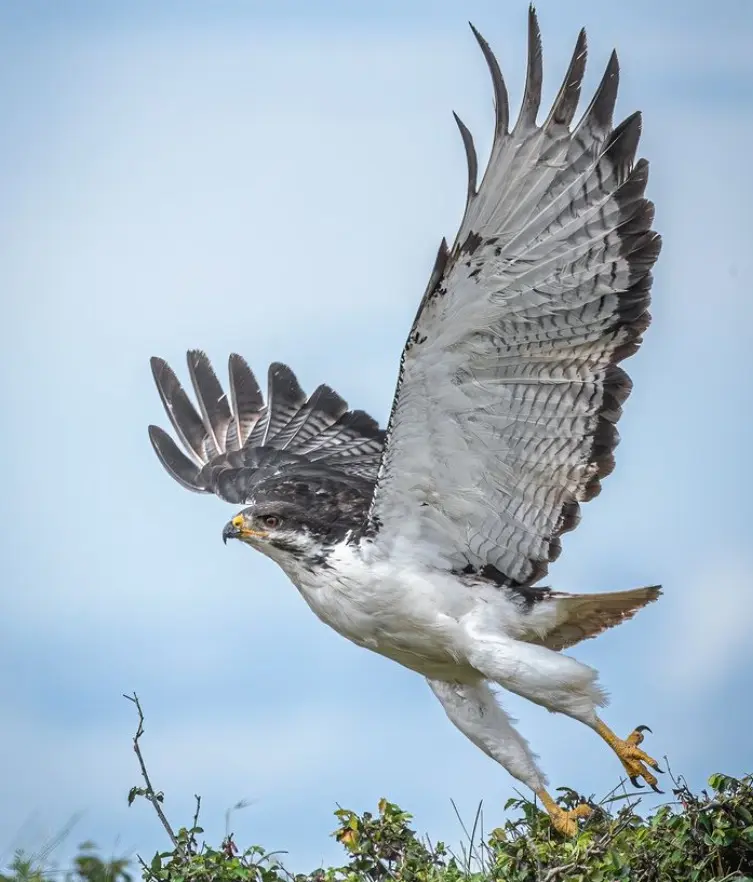
The optimal period for observing migratory birds in the Masai Mara is from November to April.
This period coincides with the 'short' and 'long' rainy seasons and the Northern Hemisphere's winter.
Palearctic migrants from Europe and North Africa arrive to exploit the Mara's abundant food supply, which is boosted by the rains.
Key migratory species include the White Stork, European Roller, and various raptors such as the Steppe Eagle and Amur Falcon.
The influx of these species temporarily increases the reserve's bird diversity, offering a chance to see birds not present at other times of the year.
Best Time for Green Season Birdwatching
The long rainy season, from March to May, is also known as the green season.
This period offers a good opportunity for dedicated birdwatchers.
The landscape is lush, food sources are abundant, and many resident birds are in their breeding plumage.
The transformation of the habitat attracts species that are less common during the dry season, particularly water birds that utilise the temporary wetlands.
A key logistical advantage of this period is the lower number of visitors, which allows for a less crowded and more focused birdwatching experience.
The reduced vehicle traffic makes it easier to spot and study more elusive species without disturbance.
Best Time to See Resident Birds at Masai Mara
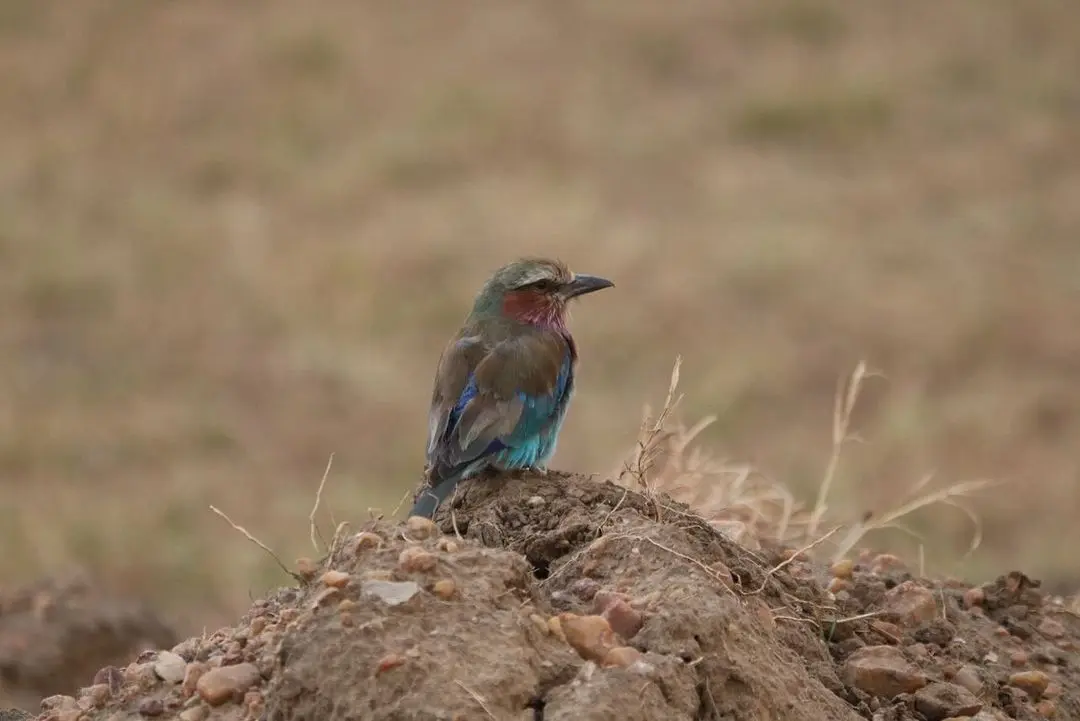
Resident bird species can be observed reliably throughout the year.
The Masai Mara is a permanent home to hundreds of species, including birds such as the Grey Crowned Crane, Saddle-billed Stork, Secretarybird, and Lilac-breasted Roller.
The wet season (November-May) offers lush backdrops and breeding activity.
The dry season (June-October) also provides excellent viewing.
During the dry months, vegetation is sparse, and birds tend to congregate around the few remaining water sources, such as the Mara River and isolated waterholes.
This concentration can make them easier to locate and observe in large numbers.
Best Time for Raptor Watching
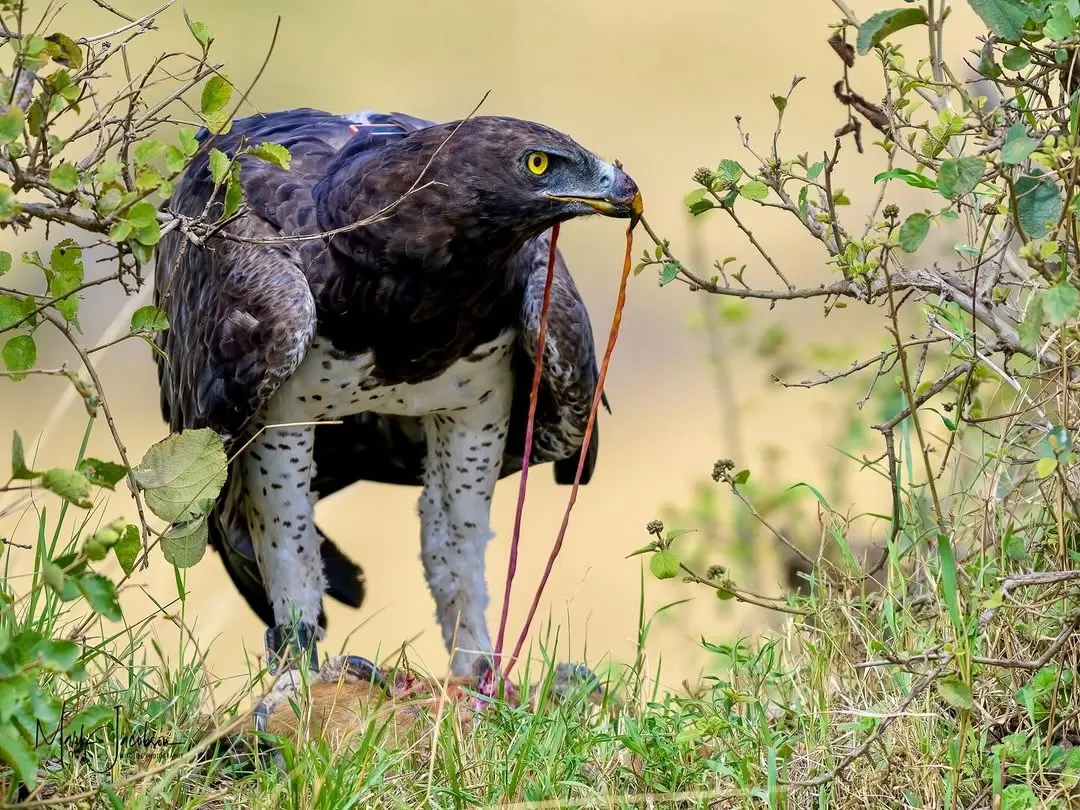
Raptor sightings are consistent year-round, but the period from November to April is particularly productive.
The wet season stimulates an increase in the populations of small mammals, reptiles, and insects, which form the prey base for birds of prey.
This period sees high activity from resident raptors like the Martial Eagle, Tawny Eagle, and the distinctive Bateleur.
The resident population is supplemented by migratory raptors from the north.
Raptors are frequently observed soaring on thermal currents in the mid-morning or perched on high vantage points like acacia trees and kopjes while scanning for prey.
Logistics and Transport to the Masai Mara
By Road
The journey from Nairobi to the main gates of the Masai Mara, such as Sekenani or Talek, takes approximately 5-6 hours.
The road to the Sekenani Gate is now paved with tarmac, providing a smooth and accessible route into the reserve.
A 4x4 vehicle remains essential for navigating the unpaved tracks within the reserve itself, especially during the wet season.
By Air
Daily scheduled flights operate from Nairobi's Wilson Airport (WIL) to various airstrips inside and outside the reserve.
Key airstrips include Keekorok, Ol Kiombo, Mara Serena, and Siana.
Flying is the most efficient method of transport and provides more time on safari.
A flight takes approximately 45-60 minutes.
Summary of Birdwatching Features
| Feature | Details |
|---|---|
| Recorded Bird Species | Over 570 species |
| Regional Endemics | Approximately 12 species |
| Raptor Species | 57 diurnal species recorded |
| Migratory Bird Season | November to April (Palearctic migrants) |
| Green Season Birding | March to May (breeding plumage, water birds, fewer visitors) |
| Resident Bird Viewing | Consistent throughout the year |
| Raptor Viewing Season | Consistent year-round; particularly productive November to April |
| Key Habitats | Riverine forests, open grasslands, rocky kopjes, seasonal wetlands |
2026 Entry Fees and Costs for Masai Mara
Planning a birdwatching trip requires budgeting for park entry fees, which are a significant component of the total cost.
As of 2026, the Narok County Government has implemented a revised fee structure for the main Masai Mara National Reserve.
The fees are differentiated by season and are charged per person, per 24-hour period.
It is advisable to confirm these rates with your tour operator prior to travel, as they are subject to change.
| Season | Period | Non-Resident Adult Fee (per 24 hours) |
|---|---|---|
| Low Season | 1st January - 30th June 2026 | USD 100 |
| High Season | 1st July - 31st December 2026 | USD 200 |
Fees for adjacent conservancies (e.g., Mara Triangle, Olare Motorogi) are managed separately and have their own distinct rate structures and regulations.