A budget safari in the Masai Mara is not a compromise on the core wildlife experience. It is a strategic approach to managing costs.
This approach prioritises value by focusing on essential elements: exceptional game viewing, safe transport, and clean, secure accommodation. The accommodation provides peace of mind after a day of safari.
A budget safari involves trade-offs, typically substituting luxury amenities for practical, cost-effective alternatives.
It entails shared transport and staying in tented camps or budget lodges instead of premium lodges. Visitors often travel during the 'Green Season' when rates are substantially lower.
The objective is to fully immerse in the Mara's ecosystem. This allows visitors to experience the wild without the high costs associated with peak-season, all-inclusive packages.
Masai Mara Value Proposition for a Budget Safari
The Masai Mara National Reserve remains one of the world's premier wildlife destinations. This is due to its consistent high density of fauna, which provides reliable animal sightings.
Its value proposition is anchored in dependable sightings of the 'Big Five'—lion, leopard, rhinoceros, elephant, and Cape buffalo. These are supported by a high concentration of predators.
The iconic open savanna landscapes feature acacia trees. These provide unobstructed views for game drives.
Even on a budget, the fundamental product—access to this prolific wildlife theatre—remains unchanged. The reserve offers extensive photographic and viewing opportunities throughout the year.
Planning Your Budget Safari
Choosing the Right Time for a Budget Safari
Timing is the most effective strategy for a budget safari.
The primary low season, from March to May, corresponds with the long rains. During this period, accommodation providers can offer discounts of up to 50%, making it the most economical time to visit.
A secondary budget-friendly window occurs in November, during the short rains. The precipitation in these months often takes the form of afternoon showers.
These showers rarely disrupt game drives. They result in lush, green landscapes and clear, dust-free air, which is optimal for photography and birdwatching.
These months provide a less congested experience with excellent wildlife viewing opportunities.
Accommodations for a Budget Safari
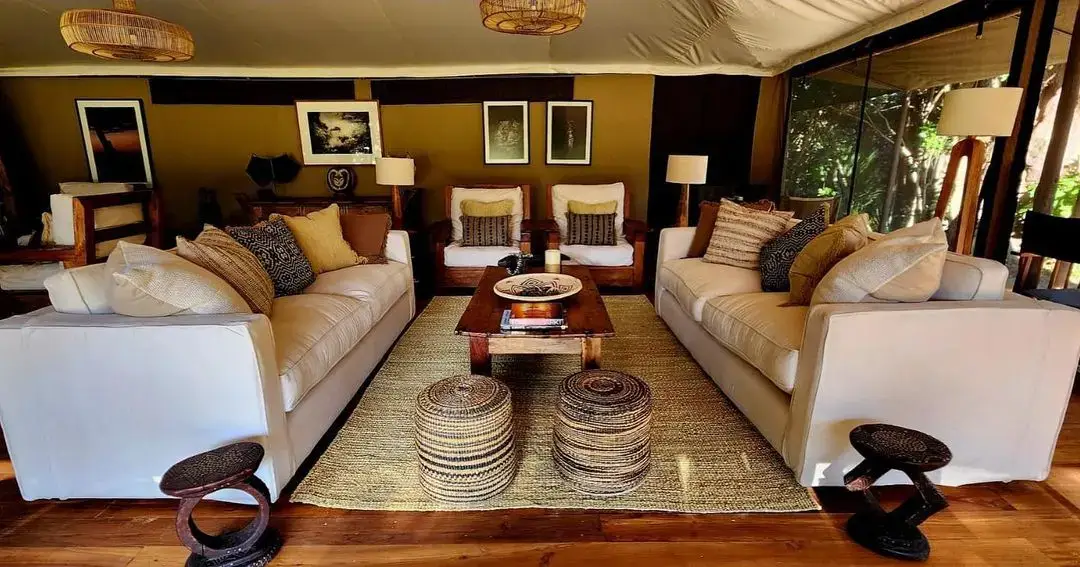
Lodging constitutes a significant portion of safari expenses. During the low seasons (March-May and November), budget-friendly camps and lodges offer substantial savings.
Basic but comfortable rooms or safari tents can be secured for as low as $25 to $60 per night. For maximum savings, camping is a viable option.
Many established campsites offer plots for approximately $15 per night for travellers with their own equipment.
Some budget accommodations also provide self-catering facilities. This allows visitors to prepare their own meals and further reduce costs.
Buying groceries in Narok, the last major town before the reserve, is a standard cost-saving measure.
Budget Safari Activities
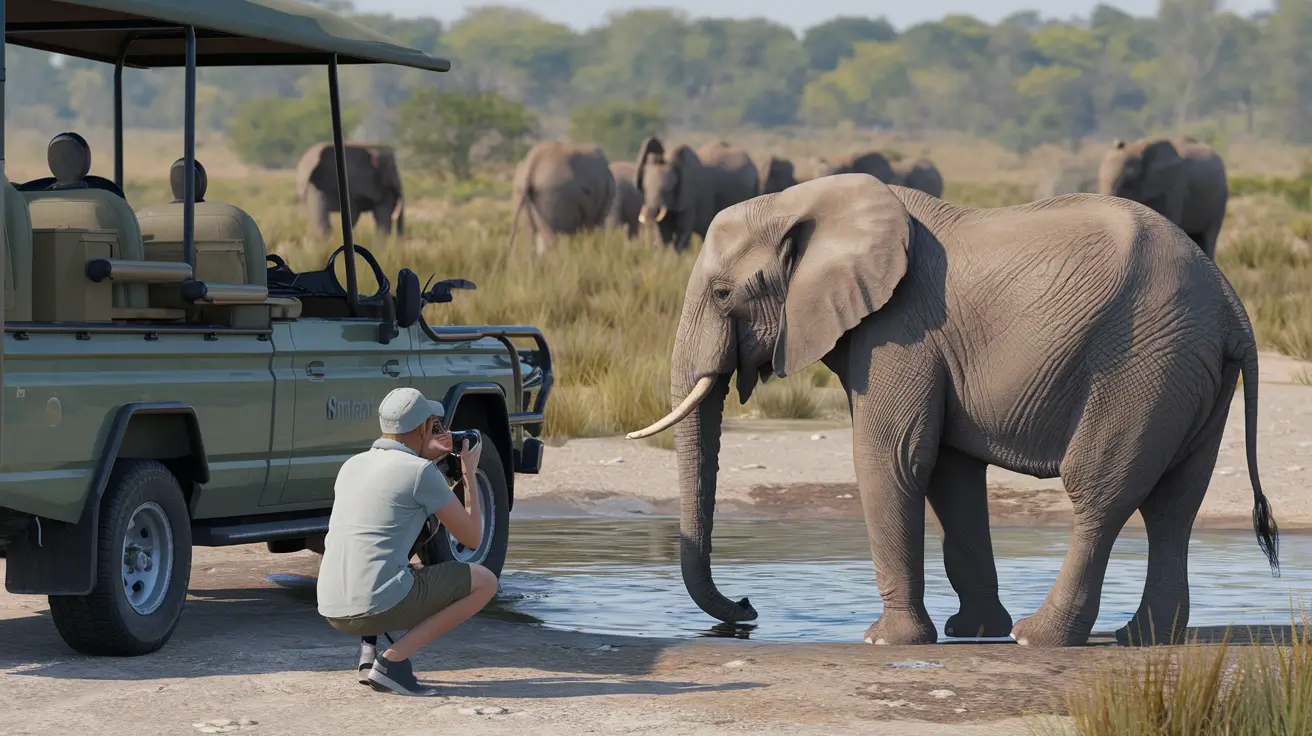
The game drive is the primary activity and is fully accessible on a budget safari.
Joining a group safari manages costs, as the price of the vehicle and guide (typically $150-$200 per day) is shared among multiple travellers.
A self-drive safari is another alternative for those with a suitable 4x4 vehicle and experience in off-road navigation. This option eliminates the cost of a dedicated driver-guide and offers maximum flexibility.
Familiarity with the terrain is essential for self-driving, especially during the rainy seasons.
The Masai Mara Experience on a Budget Safari
Iconic Wildlife Sightings for a Budget Safari
A budget safari does not diminish the quality or likelihood of wildlife encounters in the Masai Mara. The reserve’s high animal density ensures year-round viewing of its famous species.
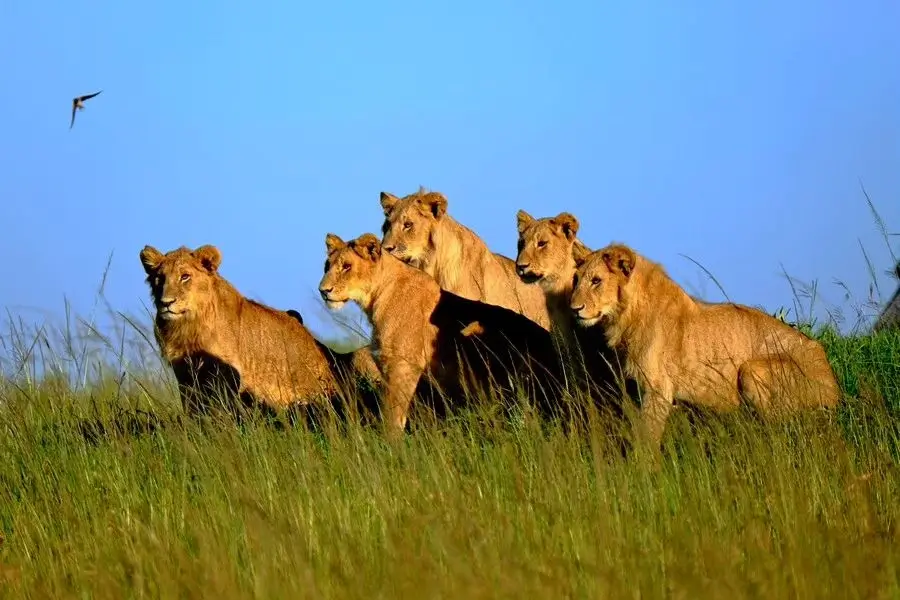
Lion prides are abundant, and sightings of cheetahs, leopards, and hyenas are common. The plains are home to vast herds of plains game, including zebra, wildebeest, topi, and giraffes.
These animals remain in the ecosystem even outside the Great Migration period. The 'Big Five' are present throughout the year, offering every visitor a high probability of successful sightings.
Mara Ecosystems and Features
The Masai Mara is a diverse landscape comprising several distinct ecosystems. Beyond the vast open grasslands, the reserve features riverine forests that trace the paths of its major rivers.
These forests provide crucial habitats for leopards and various bird species. The dramatic Oloololo Escarpment forms the western boundary, offering elevated viewpoints over the sprawling plains.
These varied environments support a rich biodiversity. This ensures a dynamic and engaging safari experience as visitors move through different ecological zones.
Major Rivers and Natural Landmarks
The Mara River and its main tributary, the Talek River, are the lifelines of the ecosystem. These permanent water sources are a magnet for wildlife, particularly during drier periods.
The rivers are famous for the dramatic wildebeest crossings during the migration. They remain critical year-round, supporting large populations of hippos and crocodiles.
The rivers also attract herds of elephants and other animals to their banks. Game drives that follow these river systems are consistently productive for wildlife observation.
Considering Conservancies for Your Budget Safari
Adjacent to the main National Reserve are several private wildlife conservancies. Conservancies are often associated with high-end lodges.
However, some conservancies offer experiences suitable for a budget-conscious trip, especially during the low season. Conservancies generally have a lower vehicle density, providing a more exclusive viewing experience.
They also permit activities not allowed within the main reserve. These include guided walking safaris and night game drives, which can add significant value and a different perspective to a safari itinerary.
Logistics for Your Budget Safari
Getting to Masai Mara for a Budget Safari
Ground transport is the most economical method for reaching the Masai Mara from Nairobi.
Using local transport is the most cost-effective option. A matatu (public minibus) journey from Nairobi to Narok town costs approximately $10–$15.
From Narok, a shared taxi or another local vehicle can be arranged for the final leg to the reserve gates for around $5–$7.
For a balance of cost and convenience, joining a group safari is highly effective, as transport costs are bundled and shared. The vehicle is typically a 4x4 safari van or Land Cruiser designed for game viewing.
Navigating Kenya Entry with eTA
International visitors entering Kenya must secure an Electronic Travel Authorisation (eTA) prior to their journey. This system has replaced the previous visa-on-arrival and e-visa programmes.
All travellers are required to apply online through the official government portal. The standard processing time is approximately 72 hours.
It is critical to complete the application well in advance of a departure date to ensure smooth entry into the country.
Road Conditions and Comfort for Travel
Infrastructure improvements have significantly enhanced access to the Masai Mara. The main road from Nairobi to the Sekenani Gate, one of the primary entry points, is now tarmacked.
This upgrade has reduced travel time to approximately 4-5 hours. It provides a much smoother and more comfortable journey compared to the rough tracks of the past.
This accessibility makes ground travel, including self-drive and group safaris, a more reliable and pleasant option for budget travellers.
2026 Entry Fees and Budget Safari Costs
Understanding 2026 Park Entry Rates
For 2026, the Masai Mara National Reserve operates on a seasonal park fee structure for non-resident adults. These mandatory fees are a critical component of any safari budget.
They are charged per person for every 24-hour period spent inside the reserve. Careful planning is required to maximise the value derived from this cost.
| Season | Months | 2026 Non-Resident Adult Fee (per 24 hours) |
|---|---|---|
| High Season | July - December | $200 |
| Low Season | January - June | $100 |
Calculating Your Budget Safari Expenses
A successful budget safari requires a clear breakdown of all potential costs. Beyond the mandatory park fees, primary expenses include accommodation, transport, and food.
The table below provides an estimated daily cost structure for a traveller focused on maximising value during the low season.
| Expense Category | Estimated Daily Cost (Low Season) | Notes |
|---|---|---|
| Park Entrance Fee | $100 | Per person, per 24 hours (Jan-Jun rate). |
| Accommodation | $25 - $60 | Based on budget tented camps or campsite fees. |
| Transport | $40 - $70 | Calculated as a share in a group joining safari vehicle. |
| Food & Water | $15 - $25 | Based on self-catering or meals at budget camps. |
| Estimated Daily Total | $180 - $255 | Excludes international flights, eTA fees, and gratuities. |
Saving Money on a Budget Safari
To further reduce costs, focus on shared expenses. Joining a group safari is the single most effective way to lower per-person costs for transport and guiding.
Opting for self-catering accommodation and purchasing supplies in a town like Narok before entering the reserve area avoids the higher prices of lodge restaurants and camp shops.
Finally, travelling during the low seasons of March-May or November provides the most significant savings on accommodation, which is often the largest single expense after park fees.
Maximizing Your Budget Safari Value
Smart Choices for a Rewarding Budget Safari Experience
Value maximisation hinges on strategic planning. The park entrance fee is valid for a 24-hour period. Timing an entry and exit can yield significant benefits.
For example, entering the reserve at 10:00 AM allows for game drives for the remainder of that day and until 10:00 AM the following morning.
This effectively covers parts of two days on a single fee. This allows for an afternoon, evening, and early morning game drive, targeting periods of high animal activity.
Essential Tips for a Budget Safari
To ensure a successful and cost-effective safari, prioritise group travel to share vehicle and guide costs.
If experienced, consider a self-drive safari in a rented 4x4 for ultimate flexibility. Always carry sufficient cash, as ATMs are unavailable in or near the reserve.
Some smaller camps may also not accept card payments. Pack layers of clothing suitable for cool mornings and warm afternoons.
Bring a reusable water bottle to reduce plastic waste and save on buying bottled water.