Masai Mara: Timing Your Honeymoon Safari. Africa provides a definitive setting for a wildlife-focused honeymoon.
The area features high-density wildlife populations and exclusive luxury accommodation. This combination creates a logistical framework for both adventure and romance.
The selection of the ideal travel period is critical. It aligns a couple's expectations with the Mara's seasonal realities, from the Great Migration's drama to the green season's solitude.
Selecting the Mara for a Honeymoon
The Masai Mara provides premier safari experiences, making it a suitable choice for honeymoons.
The open savannah topography ensures consistent and clear wildlife sightings, including high concentrations of predators.
A network of high-end lodges and tented camps services this landscape. These accommodations specialise in delivering privacy, bespoke services, and unique activities for couples.
Multiple airstrips and an improved road network provide accessibility to the region. This reduces transit time, maximising the duration of safari activities.
Geographic Features of the Masai Mara for Honeymoons
The Greater Mara Ecosystem encompasses the 1,510 square kilometre Masai Mara National Reserve. It also includes a collection of contiguous private conservancies.
Vast plains of red oat grass, interspersed with acacia woodlands, define this unfenced wilderness.
Three critical rivers bisect the landscape: the Mara, the Talek, and the Sand River. These waterways present the primary obstacle for the Great Migration.
The Oloololo Escarpment, also known as the Siria Escarpment, marks the western boundary. This feature offers elevated viewpoints over the plains.
Best Time for Honeymoon: The Great Migration Season (June - October)
The period from June to October is the peak season for a honeymoon safari in the Masai Mara.
This timeframe corresponds with the dry season and the arrival of the Great Wildebeest Migration from the Serengeti.
Environmental conditions during this period are optimal for logistics, wildlife viewing, and specialised romantic activities.
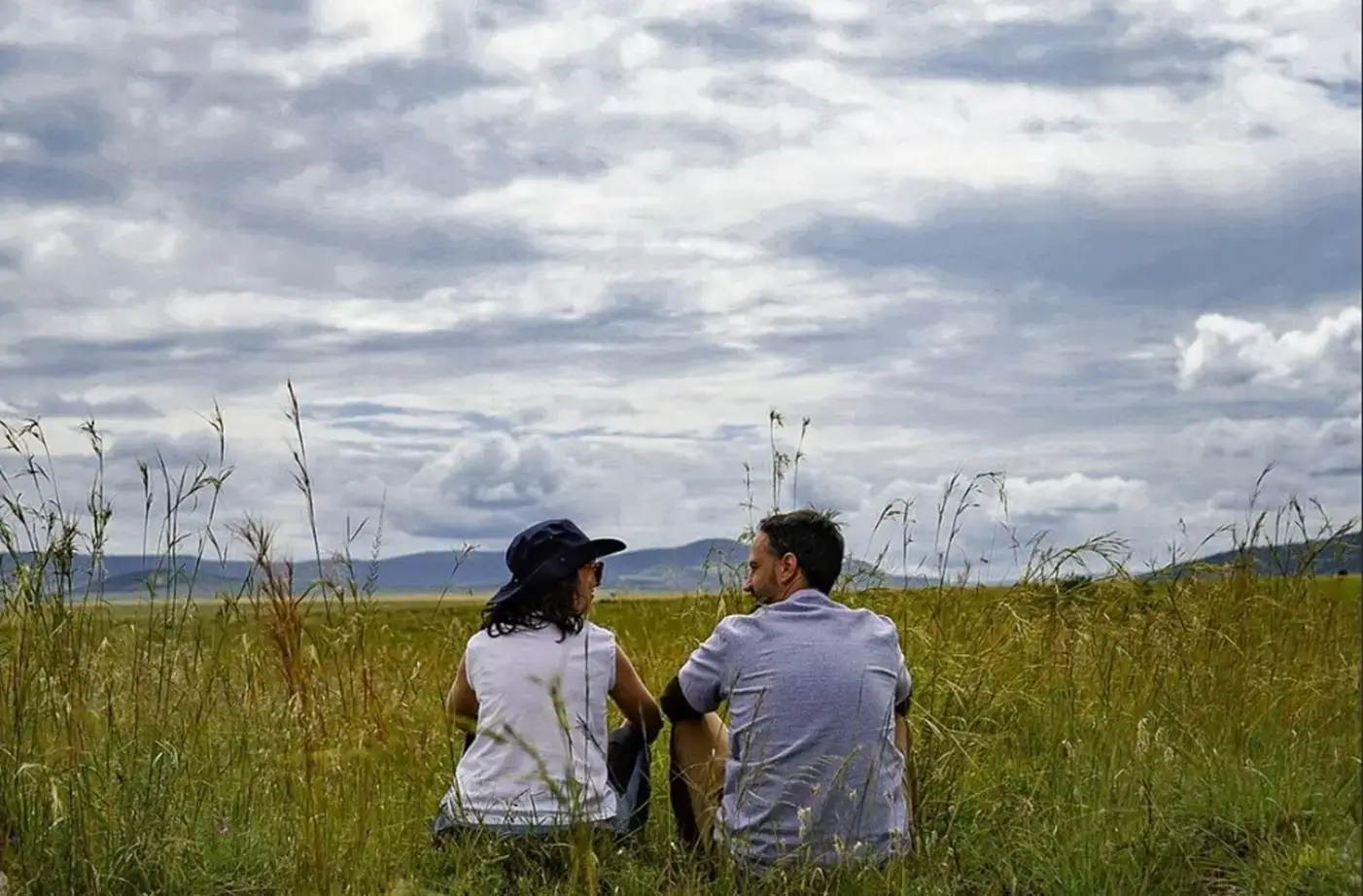
Witnessing the River Crossings
From late July through September, honeymooners can witness the river crossings. This event marks the migration's most dramatic spectacle.
Hundreds of thousands of wildebeest and zebra converge on the banks of the Mara and Talek rivers. They navigate crocodile-infested waters, creating a high-stakes spectacle.
Key crossing points provide focal areas for this phenomenon.
Dry Season Wildlife Spectacle
During the dry season, sparse, low vegetation significantly improves visibility for wildlife observation.
Animals are compelled to congregate around the remaining water sources, primarily the major rivers and seasonal waterholes.
This concentration increases the frequency and predictability of sightings of the "Big Five" (lion, leopard, elephant, buffalo, and rhinoceros).
The high density of prey also supports a large and active predator population. This leads to frequent observations of hunts and territorial interactions.
Clear Skies and Honeymoon Stargazing
Consistently clear, cloudless skies result from the lack of rainfall from June to October.
During the day, this provides optimal light for photography.
At night, an absence of light pollution creates ideal conditions for astronomy.
Many camps offer guided stargazing sessions. This allows couples to view constellations of the Southern Hemisphere with exceptional clarity.
Best Time for Honeymoon: Shoulder Season Serenity (January - February)
The period from January to February offers a compelling alternative for couples prioritising a private experience with lush scenery.
This short dry season follows the "short rains" of November and December, resulting in a verdant landscape with fewer tourist vehicles.
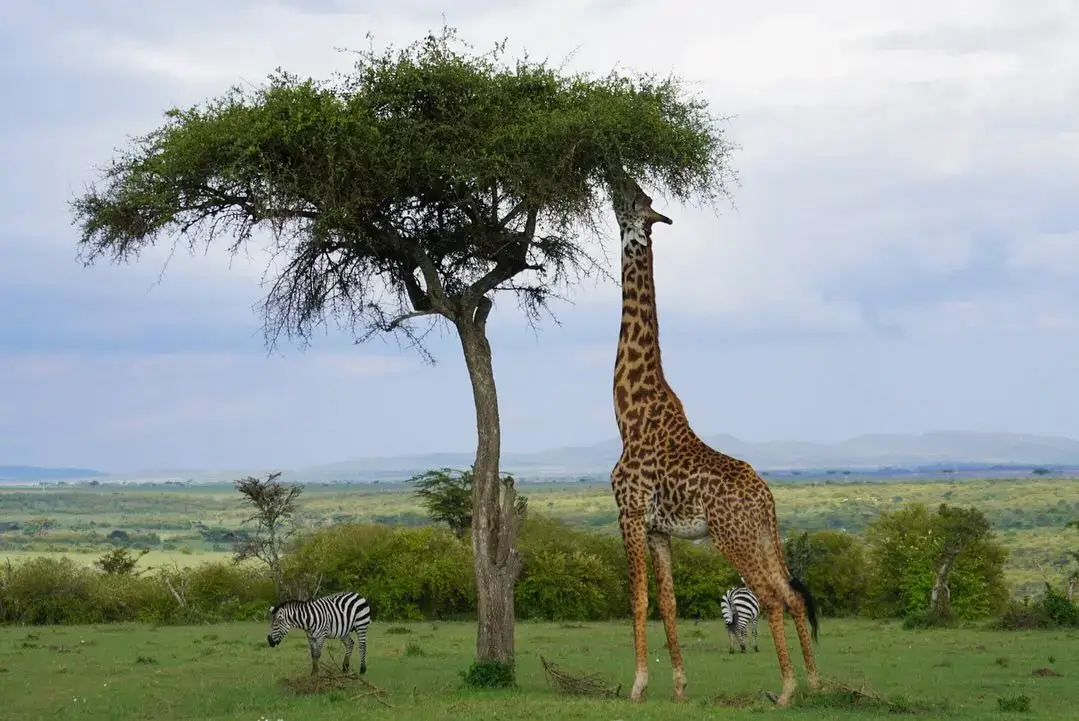
Lush Landscapes and Fewer Crowds
The preceding rains transform the plains into a rich green. This offers a stark contrast to the golden hues of the dry season.
This period sees a significant reduction in visitor numbers compared to the peak migration season.
The lower vehicle density translates to more exclusive wildlife sightings. It also provides a greater sense of solitude during game drives and at the lodge.
Excellent Birdwatching Opportunities
This season offers optimal conditions for ornithology.
The environment supports a high volume of resident bird species. Migratory birds from Europe and northern Africa supplement these numbers.
The combination of lush vegetation and active birdlife creates a dynamic and colourful safari experience.
Best Time for Honeymoon: Private Conservancies' Year-Round Appeal
The private conservancies bordering the Masai Mara National Reserve, including Naboisho, Olare Motorogi, and Mara North, provide a year-round framework for an exclusive honeymoon.
These areas operate under a low-volume tourism model. This ensures a high degree of privacy and personalised service irrespective of the season.
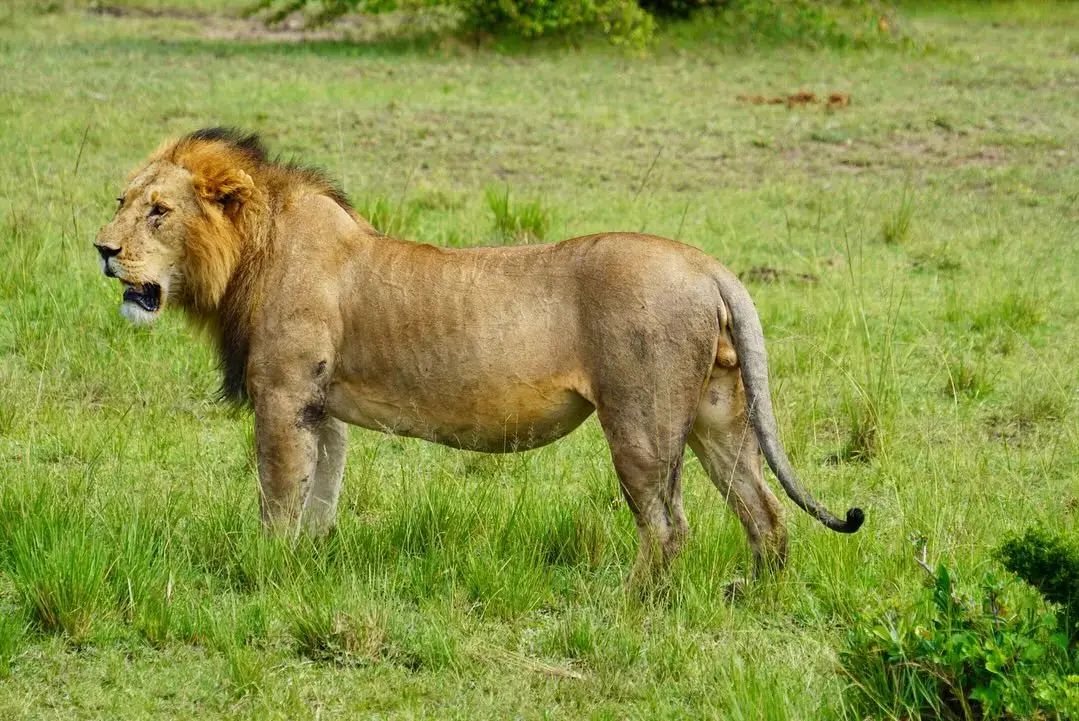
Exclusive Wilderness Experiences
Conservancies strictly limit the number of vehicles permitted at wildlife sightings. Typically, three or four vehicles are allowed per event.
This policy prevents crowding common in the main reserve. It also fosters a more intimate and respectful wildlife encounter.
The land is leased from Maasai communities. A portion of the revenue directly supports local livelihoods and conservation initiatives.
Unique Honeymoon Activities Walking and Night Drives
The conservancies offer an expanded list of permitted activities. This presents a key advantage.
Couples can engage in guided bush walks with armed rangers and Maasai naturalists. These walks offer a micro-perspective of the ecosystem.
Night game drives are also permitted. These drives provide a unique opportunity to observe nocturnal species such as leopards, hyenas, civets, and genet cats in their active state.
Boutique Luxury Camps and Romance
Accommodation within the conservancies primarily consists of small, boutique tented camps and lodges.
Properties like Mahali Mzuri in Olare Motorogi or Sala's Camp in the main Reserve are designed to cater to couples.
They feature honeymoon suites with private plunge pools, outdoor showers, and expansive decks overlooking the plains.
Best Time for Honeymoon: Green Season Charm (March - May)
The long rainy season, from March to May, is classified as the low season.
This period offers distinct advantages for honeymooners focused on value, solitude, and specific ecological events.
The rains typically occur as afternoon thunderstorms. Mornings remain clear for safari activities.
Value Safari and Honeymoon Adventures
This period offers the most competitive pricing of the year.
Luxury lodges and camps provide significant rate reductions. They often include special packages for honeymooners.
The lower cost allows for an extended stay or an upgrade to a higher category of accommodation within a set budget.
Solitude and Photography Opportunities
Visitor numbers are at their lowest, ensuring an unparalleled sense of isolation.
The Mara feels entirely private.
Dramatic cloud formations, green landscapes, and dust-free air create exceptional lighting conditions for photographers. These conditions also provide high-contrast photographic opportunities.
Newborn Wildlife Sightings
Abundant water and fresh grazing during the green season trigger the birthing season for many herbivore species.
Game drives frequently feature sightings of young, playful animals. This adds a unique dimension to the safari experience.
Predator activity is also high due to the availability of vulnerable prey.
Planning Your Best Time for Honeymoon Safari
Logistical planning is essential for a smooth Masai Mara honeymoon.
This includes understanding the fee structure, entry requirements, transport, and accommodation options for 2026.
2026 Entry Fees and Costs
The Kenya Wildlife Service (KWS) has implemented a tiered pricing structure for its Premium Parks, including the Masai Mara National Reserve.
Conservancy fees are separate. They are paid directly to the conservancies via the accommodation.
| Season | Dates | Non-Resident Adult Fee (per 24 hours) |
|---|---|---|
| High Season | July - December | USD 200 |
| Low Season | January - June | USD 100 |
Kenya Entry Requirements for Your Honeymoon
Kenya has replaced its visa system with the Electronic Travel Authorisation (eTA).
All foreign nationals, with the exception of specific exempt countries, must apply for an eTA online before departure.
The standard processing time is approximately 72 hours.
It is mandatory to have a confirmed eTA before boarding your flight to Kenya.
Getting to the Mara for Your Honeymoon
Access to the Masai Mara occurs primarily via air or road.
Daily scheduled flights operate from Wilson Airport (WIL) in Nairobi. They travel to multiple airstrips within the Mara ecosystem, including Ol Kiombo, Keekorok, and Mara Serena.
The flight duration is approximately 45-60 minutes.
For road travel, the route from Nairobi to the Sekenani Gate is now fully tarmacked. This reduces travel time and significantly improves comfort.
Luxury Honeymoon Accommodation Options
The Mara offers a range of high-end accommodation suitable for honeymoons.
Options include properties with expansive views, such as Angama Mara.
Tented camps, like Sir Richard Branson's Mahali Mzuri, and classic safari lodges provide a comprehensive set of amenities.
What to Pack for a Mara Honeymoon
Packing should be practical and layered.
Essential items include neutral-coloured clothing (khaki, green, brown). A warm fleece or jacket is needed for early morning and evening game drives.
Comfortable walking shoes, sun protection (hat, sunglasses, high-SPF sunscreen), insect repellent, and personal medications are also necessary.
Binoculars and a quality camera are highly recommended.
Health and Safety Tips for Honeymooners
Consult a travel doctor regarding required vaccinations and malaria prophylaxis.
Drink only bottled or filtered water provided by the lodge.
Adhere strictly to the safety briefings provided by your safari guide. This is especially important concerning wildlife encounters and behaviour within the unfenced camps.
Unique Masai Mara Best Time for Honeymoon Experiences
The Masai Mara offers a suite of specialised activities beyond standard game drives. These activities are designed to enhance the honeymoon experience.
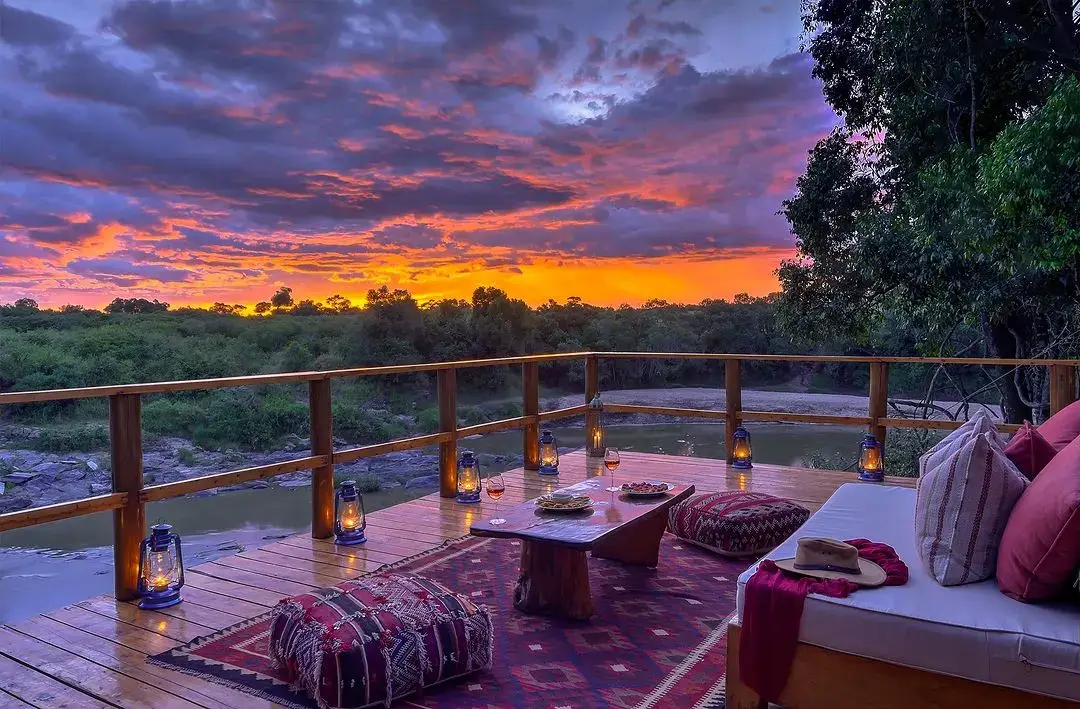
Hot Air Balloon Safari
A hot air balloon flight at dawn offers a unique perspective of the Mara plains.
The flight typically lasts for one hour. It drifts silently over wildlife and concludes with a champagne bush breakfast served upon landing.
The calm, clear conditions of the dry season (June-October) are optimal for this activity.
Maasai Cultural Immersion
Engage with the local Maasai culture through a structured visit to a traditional village.
You can also participate in activities offered by lodges with strong community ties.
Activities can include guided nature walks with a Maasai naturalist. They explain traditional plant uses, animal tracking techniques, and the cultural significance of the landscape.
Sundowners and Bush Dinners
The "sundowner" is a classic safari tradition. It involves stopping at a scenic viewpoint during the evening game drive to enjoy cocktails and canapés while watching the sunset.
A private bush dinner can follow this. It consists of a full-course meal served under the stars, with the ambient sounds of the wilderness as a backdrop.
Photographic Safaris
Specialised photographic safaris are available for couples with an interest in photography.
These trips utilise custom-configured vehicles with camera mounts. Expert guides lead them, understanding lighting, positioning, and animal behaviour.
This ensures optimal conditions for capturing high-quality images.
Best Time for Honeymoon: Sample Itineraries
These sample itineraries provide a structural guide for planning a Masai Mara honeymoon. They are adaptable to specific interests and seasons.
Five-Day Peak Season Honeymoon
- Day 1: Arrive at Wilson Airport, fly to Ol Kiombo airstrip. Transfer to a luxury camp in a private conservancy. Afternoon game drive followed by sundowners.
- Day 2: Full-day game drive in the Masai Mara National Reserve, focusing on potential river crossing sites.
- Day 3: Morning hot air balloon safari with champagne breakfast. Afternoon at leisure, followed by an evening night drive in the conservancy.
- Day 4: Morning walking safari with a Maasai guide. Afternoon couple's spa treatment. Private candle-lit bush dinner.
- Day 5: Final morning game drive. Transfer to airstrip for flight back to Nairobi.
Seven-Day Green Season Honeymoon
- Day 1-3: Fly to the Mara. Stay in a central location to explore the plains. Focus on newborn animals and predator activity. Enjoy the solitude and dramatic landscapes.
- Day 4-6: Transfer to a lodge in a different region, perhaps near the escarpment. Engage in cultural visits, nature walks, and enjoy the lodge's amenities during afternoon showers. Utilise the excellent light for photography.
- Day 7: One last morning activity before flying back to Nairobi.
Booking Your Masai Mara Honeymoon
An optimal Masai Mara honeymoon requires careful planning and coordination.
Working with a specialist tour operator ensures integration of all logistical components. These include flights, transfers, accommodation, and activities.
This approach ensures the safari is tailored to your specific preferences as a couple.
Next Steps for Honeymoon Planning
To begin planning, identify your preferred travel dates and budget.
This information allows selection of the most suitable season and accommodation tier.
An expert planner can then construct a detailed, obligation-free itinerary. This itinerary aligns with your vision for a safari honeymoon.