A hot air balloon safari over the Masai Mara National Reserve offers an aerial perspective of a dense wildlife ecosystem.
This activity operates under strict logistical rules, weather dependency, and seasonal wildlife patterns.
The experience provides clear views for game watching and photography, distinct from ground-based vehicle safaris.
The Operational Sequence of a Mara Balloon Flight
The entire hot air balloon safari is a structured activity lasting approximately three to four hours, from collection to drop-off.
The flight itself is a core component.
Pre-flight preparations and post-flight services are integral to the regulated experience.
Aerial Views and Key Landmarks
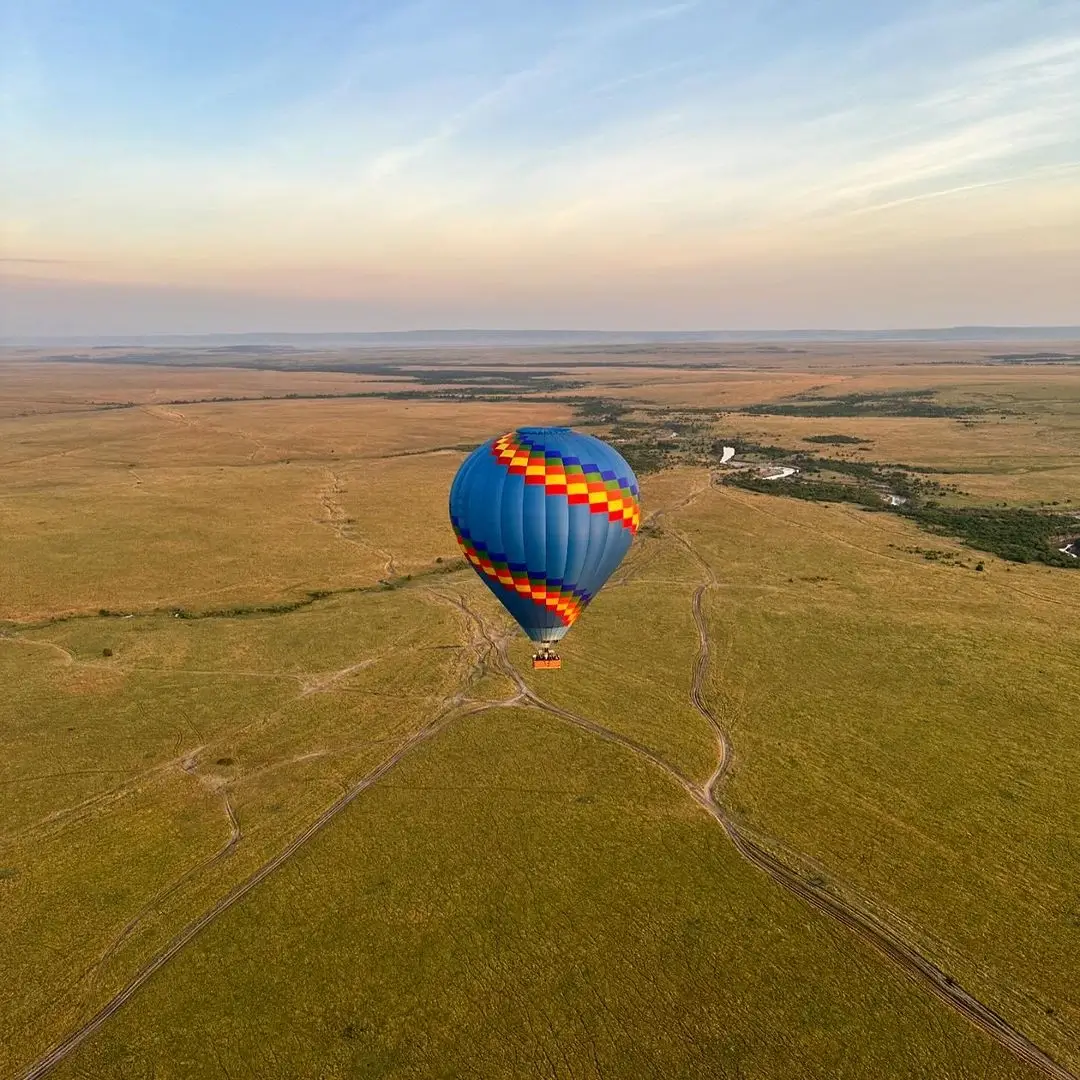
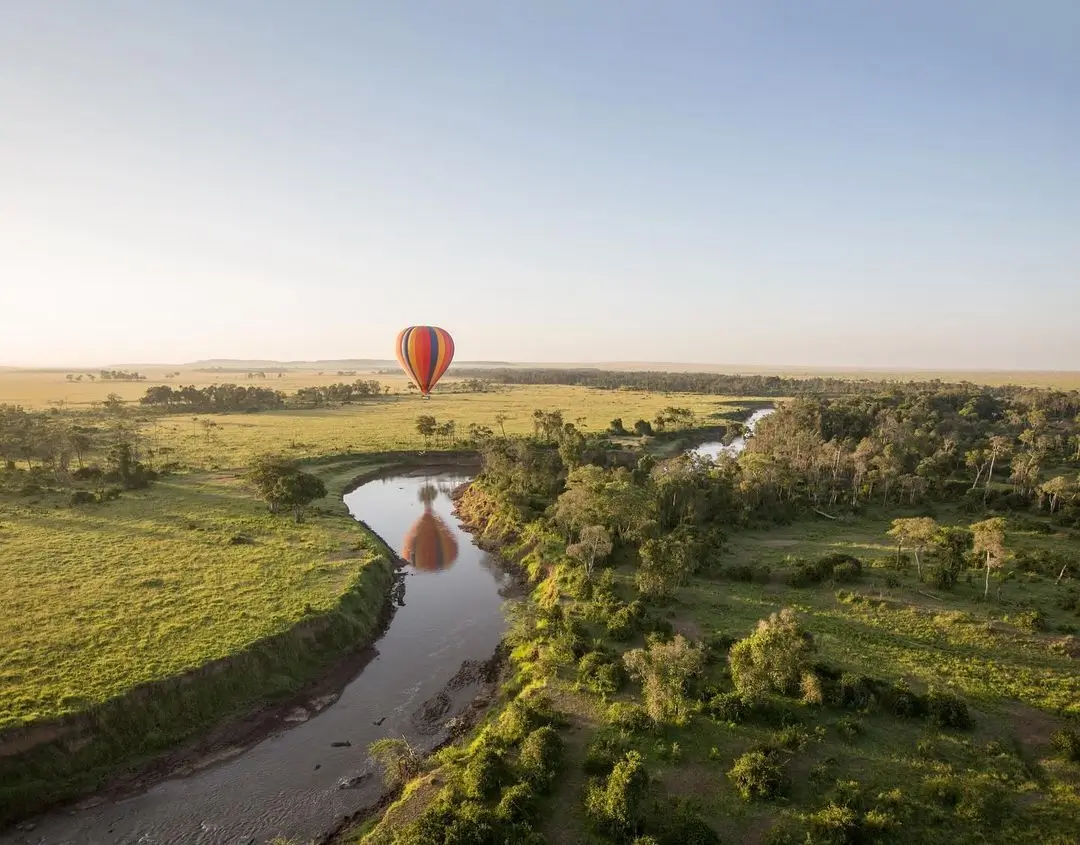
From the basket, passengers gain a topographical understanding of the Mara ecosystem.
Key visual landmarks include the distinctive meanders of the Mara and Talek rivers.
The dramatic Oloololo Escarpment forms the western boundary of the reserve.
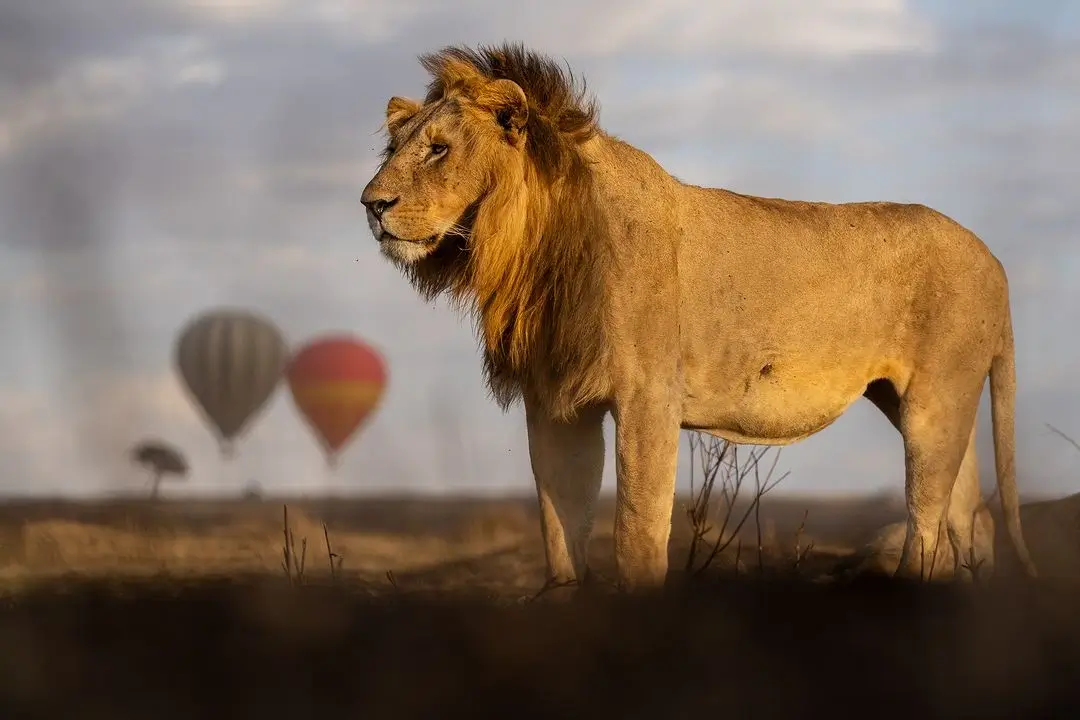
The vast open plains host a significant density of fauna.
During the Great Migration, this perspective allows for observation of the scale and movement of wildebeest and zebra herds, including their strategic river crossings.
Your Hot Air Balloon Safari Journey Timelined Breakdown
The safari follows a precise, regulated schedule to ensure safety and align with optimal flying conditions, which occur at dawn.
Pre-Dawn Collection
Operations commence with a pre-dawn collection from your designated lodge or camp, typically between 04:00 and 05:00.
This early start allows passengers to reach the launch site before sunrise.
The balloon then takes flight as dawn breaks over the Mara plains.
Pre-Flight Safety Briefing
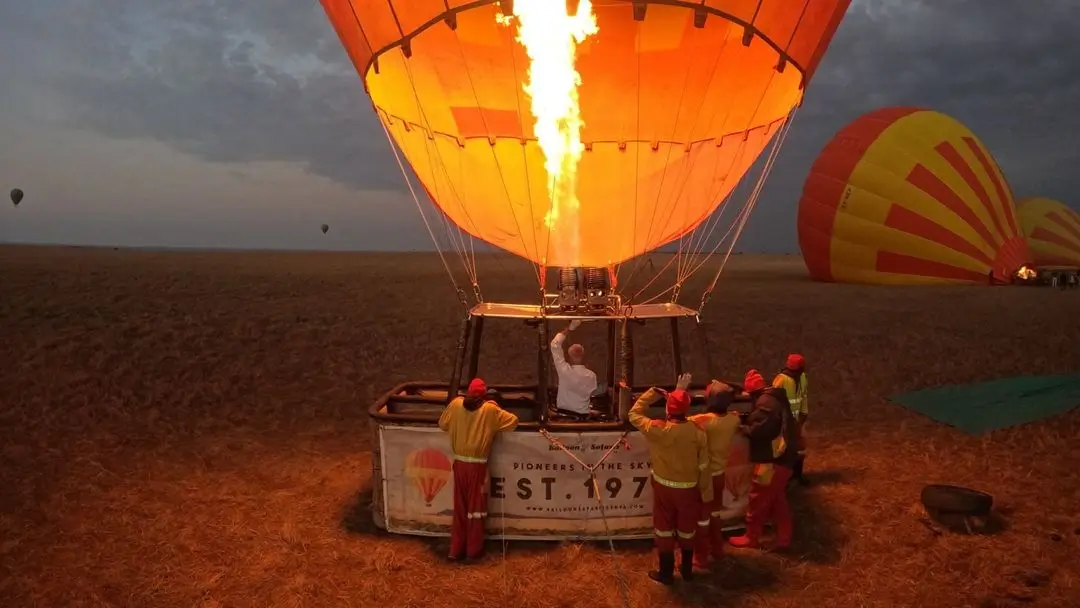
Upon arrival at the launch site, passengers are offered coffee or tea while the balloon undergoes inflation.
A certified pilot conducts a mandatory safety briefing.
This briefing covers critical information regarding embarkation, flight conduct, secure positioning within the basket, and correct landing procedures, including the brace position.
Flight Duration and Altitude Parameters
The flight duration is consistently regulated to be approximately one hour, subject to wind conditions and available landing sites.
The balloon's altitude varies throughout the flight.
At times, it will ascend to over 1,000 feet for a panoramic overview of the plains.
At other times, it flies at treetop level for close observation of wildlife.
Post-Landing Champagne Breakfast
Upon landing, a traditional champagne toast is held.
This custom dates back to the 18th-century origins of ballooning.
Following this, passengers are transferred to a prepared breakfast site.
This site is typically set up in a secure, scenic location on the savannah.
A full English breakfast with service is a standard component of the package.
Commemorative Flight Certificate and Return Journey
After breakfast, passengers are awarded a commemorative flight certificate signed by the pilot.
Following this, you are transferred back to your lodge or camp by safari vehicle.
This often concludes with a mid-morning game drive en route.
Essential Hot Air Balloon Safari Logistics
Participation requires adherence to specific logistical and safety parameters.
Understanding these elements ensures a comfortable and secure experience.
Optimal Seasons for Hot Air Ballooning
Balloon safaris operate year-round when weather allows.
Specific seasons offer distinct advantages.
The primary determinant for flight viability is the weather; calm winds and clear skies are essential.
- Dry Season (June to October) This period is considered optimal due to stable, dry weather, minimal wind, and clear skies. It coincides with the Great Migration (July-October), providing excellent wildlife viewing opportunities. Animals congregate around limited water sources, and shorter grass improves visibility.
- Short Rains (November to December) The landscape becomes notably greener. Morning showers can cause delays or cancellations, though flights often proceed. This period offers excellent conditions for birdwatching, as migratory species arrive.
- Long Rains (April to May) This is the low season. Flight operations are most likely to be affected by weather. For flights that proceed, passengers experience the Mara with fewer tourist vehicles and at its most verdant. Rates may be lower during this period.
| Season | Months | Primary Advantages | Operational Considerations |
|---|---|---|---|
| Peak Dry Season | June – October | Excellent wildlife visibility (Great Migration); stable weather; optimal photography conditions (golden light). | Highest demand; advance booking essential. |
| Green Season | November – December | Lush, green landscapes; high concentration of migratory birds; fewer crowds than peak season. | Potential for morning rain showers, which can delay or cancel flights. |
| Low Season (Long Rains) | April – May | Lowest tourist density; competitive pricing; unique verdant scenery. | Highest probability of weather-related cancellations; some camps may be closed. |
Launch Sites within Masai Mara
Operators utilise several designated launch sites within the Greater Mara Ecosystem.
The specific site for your flight is chosen based on the prevailing wind direction on the day of your safari.
This ensures the flight path covers key areas of the reserve.
Common launch areas are situated near the Talek and Mara Rivers to maximise wildlife viewing potential.
Recommended Attire and Essential Items
Appropriate attire is crucial for both comfort and safety.
- Clothing: Dress in layers. Pre-dawn temperatures on the Mara are cold, but it warms up quickly after sunrise. Neutral-coloured clothing is recommended. Trousers are more practical than shorts for getting in and out of the basket.
- Footwear: Sturdy, closed-toe shoes are mandatory.
- Headwear: A hat is useful for protection against the sun and the heat from the balloon's burners.
- Equipment: Binoculars and a camera with a neck or wrist strap are essential. Avoid bringing large, bulky bags as space in the basket is limited.
Important Passenger Information and Regulations
All passengers must comply with industry-standard safety regulations and operator policies.
Age, Health, and Weight Restrictions
- Age: Most operators have a minimum age limit, typically between 7 and 8 years old. Children must be tall enough to see over the edge of the basket (approximately 1.2 metres).
- Health: Passengers must be physically able to climb into and out of the basket and stand for the duration of the one-hour flight. The activity is not suitable for pregnant women or individuals with significant back, neck, or bone density issues due to the potential for a bumpy landing.
- Weight: Weight limits are strictly enforced for aircraft balance and safety. Passengers may be required to provide their weight during booking, and individuals over a certain threshold (e.g., 120 kg) may be required to book two spaces.
Safety Protocols and Regulatory Oversight
Hot air ballooning in Kenya is a highly regulated industry.
Operators are licensed and audited by the Kenya Civil Aviation Authority (KCAA).
The KCAA enforces strict standards for aircraft maintenance, pilot certification, and operational procedures.
Pilots are commercially licensed and possess extensive experience flying in Mara conditions.
Booking Your Hot Air Balloon Safari
Securing a place on a balloon safari requires advance planning, particularly during the peak season.
Cost of a Hot Air Balloon Safari and Influencing Factors
The price for a hot air balloon safari in the Masai Mara typically ranges from US$450 to US$550 per person.
This cost is inclusive of the pre-dawn transfer, the one-hour flight, the post-landing champagne breakfast, and the return transfer to your lodge.
The primary factors influencing the cost are the season (peak vs. low) and the specific operator's service level.
Booking Procedures
It is strongly recommended to book your hot air balloon safari well in advance, especially for travel between June and October.
Bookings can be made directly with balloon operators or, more commonly, through your safari tour operator or accommodation provider within the Mara.
Full payment is typically required to confirm a booking.
2026 Travel and Park Fee Information
International visitors planning a safari in 2026 must be aware of updated park entry requirements and national travel policies.
2026 Masai Mara National Reserve Entry Fees
Entry into the Masai Mara National Reserve is a prerequisite for accessing a balloon safari launch site.
As of 2026, the conservation fees managed by the Narok County Government are set per person, per 24-hour period.
During the high season (July to December), the rate is US$200.
During the low season (January to June), the rate is US$100.
These fees are separate from the cost of the balloon safari itself and must be paid to enter the reserve.
Kenya Electronic Travel Authorisation eTA
As of 2024, Kenya has replaced its visa system with the Electronic Travel Authorisation (eTA).
All international visitors, regardless of nationality, must apply for an eTA before travel.
The application is completed online and typically requires a processing time of at least 72 hours.
It is mandatory to have an approved eTA before boarding your flight to Kenya.