Determining the optimal time for a family safari in the Masai Mara National Reserve requires a logistical assessment of seasonal variations, wildlife behaviour, and family-specific needs.
The decision balances peak wildlife viewing opportunities against factors such as budget, crowd density, and the age of your children.
This guide provides a factual breakdown of each period, which helps families align their travel plans with suitable conditions for a successful and comfortable safari.
Family Safari Planning Matrix
This table outlines the primary considerations for each travel period to simplify decision-making.
It cross-references safari priorities with seasonal conditions in the Masai Mara, allowing families to identify the most appropriate time for their visit at a glance.
| Travel Period | Primary Family Priority | Wildlife Viewing | Crowd Density | Pricing | Weather Conditions |
|---|---|---|---|---|---|
| June – October | Peak Wildlife & Great Migration | Excellent; high concentration of animals, Mara River crossings (July-Sept). | High | Peak Season Rates | Dry, sunny, and cool. |
| November – December | Quieter Experience & Scenery | Very Good; resident wildlife is abundant, newborn animals. | Moderate to Low | Shoulder Season Rates | Short rains; brief afternoon showers, lush green landscapes. |
| January – February | Balanced Conditions | Excellent; dry weather concentrates wildlife. | Moderate | High Season Rates | Dry and warm. |
| March – May | Budget & Exclusivity | Good; resident wildlife present but more dispersed. | Very Low | Low Season / Green Season Rates | Long rains; sustained rainfall can impact road access. |
Masai Mara Essentials for Family Trips
Masai Mara Location and Size
The Masai Mara National Reserve is located in south-western Kenya. It is contiguous with Tanzania's Serengeti National Park.
It covers approximately 1,510 square kilometres (583 square miles) of protected savanna, woodland, and riverine forest.
Its geographical position makes it the northernmost section of the Mara-Serengeti ecosystem, a critical habitat for the annual Great Migration.
National Reserve and Conservancy Distinctions for Families
The Masai Mara is designated a National Reserve. It is managed by the Narok and Trans-Mara County Councils.
This differs from a National Park, which is managed by the central Kenya Wildlife Service (KWS).
For families, the key distinction lies in the operational rules. The Reserve has stricter regulations, including prohibitions on night drives, off-road driving, and walking safaris.
These rules protect the ecosystem but can limit game drive flexibility.
Private Conservancies for Family Wildlife Viewing
Numerous private conservancies surround the National Reserve.
These are parcels of community-owned Maasai land leased to safari operators for conservation and tourism.
This model benefits families significantly by enforcing strict limits on vehicle numbers at wildlife sightings. Operators often limit this to a maximum of three to five vehicles.
This creates a more intimate and less disruptive viewing experience.
Furthermore, conservancies permit activities forbidden in the main Reserve. These include guided bush walks, night game drives, and carefully controlled off-road driving to get closer to significant sightings.
These allowances are highly advantageous for keeping children engaged.
Seasonal Insights for Family Wildlife Encounters
Great Migration Peak Season for Families June to October
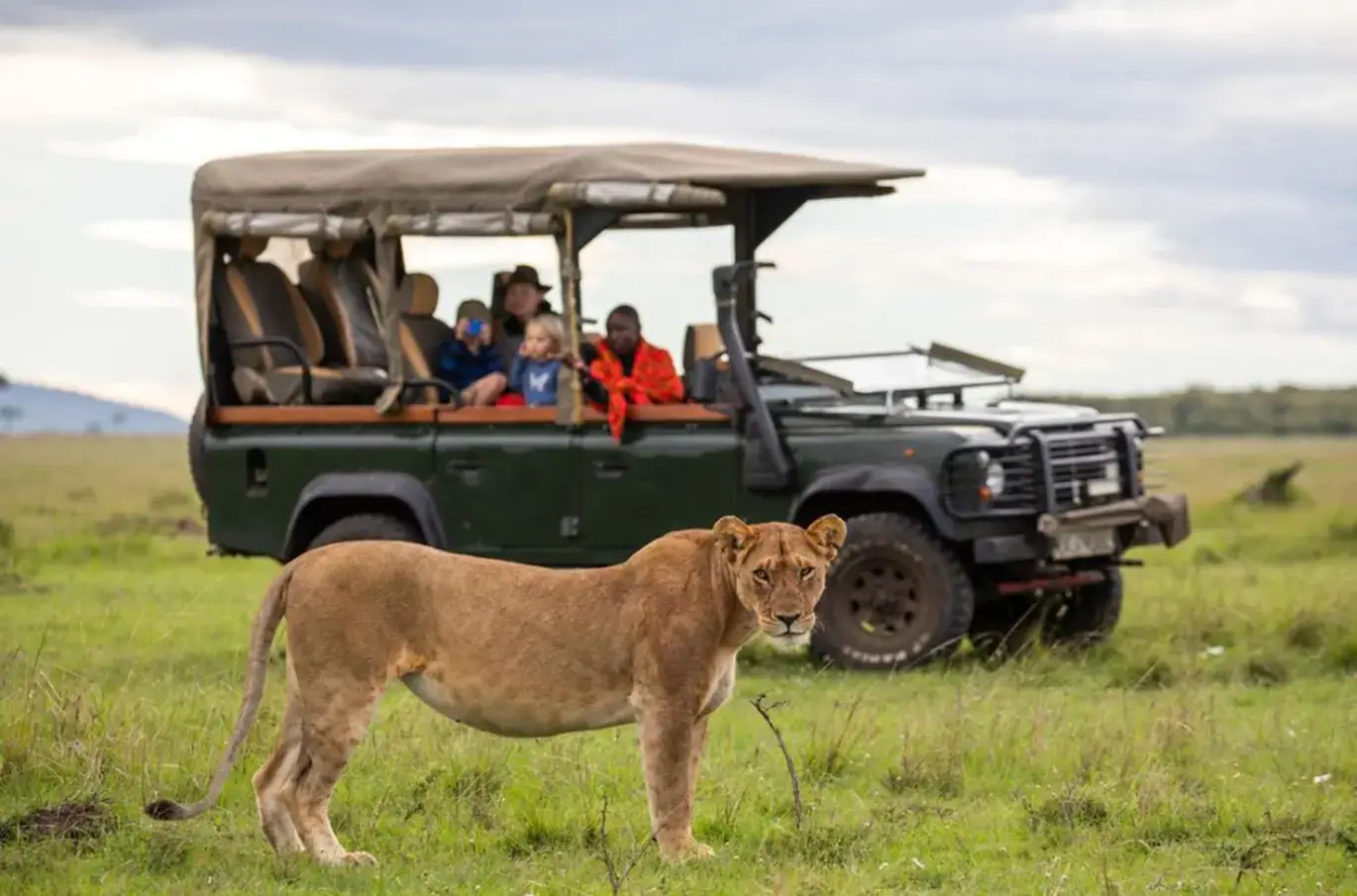
The period from June to October constitutes the peak dry season. This time is widely regarded as the premier time for a family safari.
Dry conditions force wildlife to congregate around permanent water sources like the Mara and Talek Rivers. This makes sightings more predictable and frequent.
Road networks within the reserve are firm and easily navigable. This ensures comfortable and efficient game drives.
The primary draw during this period, particularly from July to September, is the Great Wildebeest Migration. Vast herds cross the Mara River, a significant wildlife event.
The weather is favourable, with minimal rainfall and clear skies. This reduces the chance of weather-related disruptions to scheduled activities.
Green Season for Family Budgets and Serenity March to May
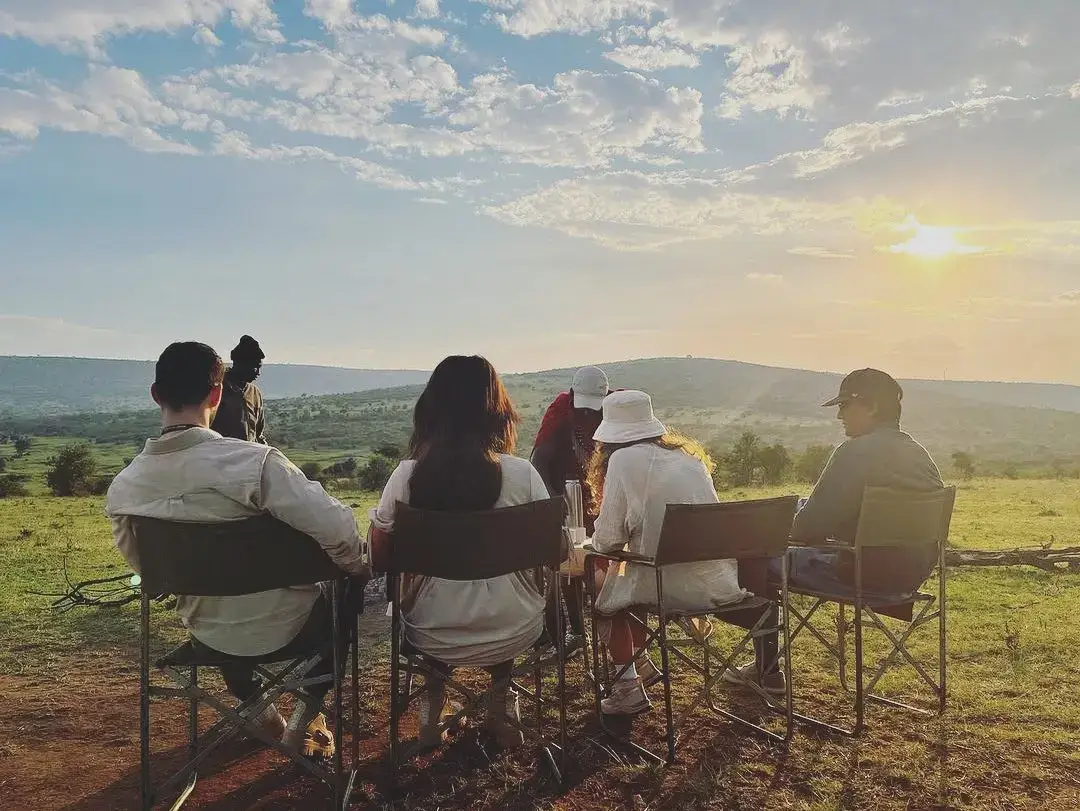
For families prioritising budget and a low-density tourist experience, the long rains period from March to May is the most cost-effective time to visit.
Accommodation and safari package rates are often reduced by as much as 50%.
The landscape transforms into a dust-free environment, which provides exceptional backdrops for photography.
Rainfall can make some tracks challenging. However, resident wildlife remains abundant.
The significantly lower number of visitors ensures a more private and personalised safari. This allows for uncrowded sightings and greater engagement with guides.
Shoulder Seasons for a Balanced Experience November to February
The short rains from November to December offer a compromise between peak and low seasons.
Visitor numbers are lower than in the peak season, yet wildlife viewing remains excellent.
Rains are typically confined to short afternoon showers, leaving mornings clear for game drives. This period sees the birth of many young animals, adding a unique dimension to the safari.
The subsequent dry spell from January to February is another excellent window. It offers clear, warm weather and superb game viewing conditions with slightly fewer crowds than the summer peak season.
Optimal Settings for Families with Young Children and Pregnant Mothers
Prioritising Comfort and Safety for Family Wellbeing
For families with pregnant mothers or very young children, the dry season from June to October is the most suitable period.
The stable, dry road conditions minimise bumpy travel, which is a critical comfort factor.
Cooler temperatures in the mornings and evenings and lower mosquito populations during this dry period further enhance safety and comfort.
Game drives can be shorter and more productive as wildlife is easier to locate near water sources. This reduces the time young children need to remain in the vehicle.
Private Conservancies for Family Flexibility
Private conservancies offer a superior environment for families with specific needs.
The ability to dictate the pace and duration of game drives provides essential flexibility. This accommodates nap times and the shorter attention spans of young children.
Activities such as short, guided nature walks around the lodge, led by Maasai naturalists, offer safe and educational engagement for children.
Many lodges in the conservancies, such as Mara Intrepids or Governors' Camp, offer dedicated kids' clubs, swimming pools, and child-minding services. This ensures a comfortable and well-supported family experience.
Daily Game Drives Schedule for Family Viewing
The timing of daily activities is critical for managing children's energy levels and maximising wildlife sightings.
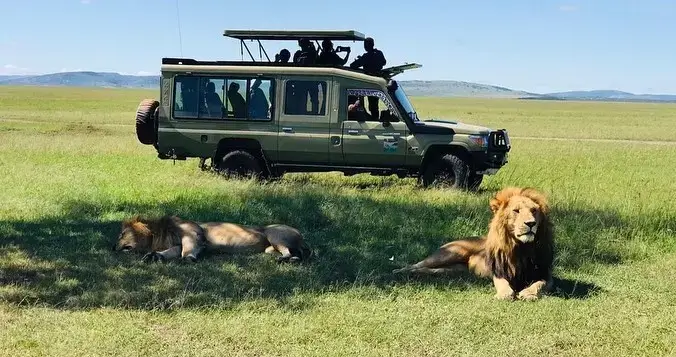
The cooler hours of the day, early morning and late afternoon, are when animals are most active. Temperatures are also most comfortable for families during these times.
Early Morning Game Drives 6 00 AM to 9 00 AM
This is the optimal time for wildlife viewing.
Predators are often active after a night of hunting. The cool air invigorates herbivores.
The soft morning light is ideal for photography.
A prompt return to the lodge by 9:00 AM for breakfast aligns perfectly with children's routines.
Afternoon Game Drives 3 30 PM to 6 30 PM
Wildlife activity resumes as the intense midday heat subsides.
This period offers a more relaxed pace for exploration, culminating in sunset over the savanna.
The period from 12:00 PM to 3:00 PM is best reserved for lunch, rest, or lodge-based activities like swimming. This avoids the heat and wildlife inactivity.
Family Cultural and Nature Experiences Beyond Wildlife
Unique Ecosystems of Mara's Diverse Habitats
The Masai Mara is not a monolithic landscape.
Families can explore distinct ecosystems, including the riverine forests along the Mara and Talek Rivers. These are prime habitats for leopards and elephants.
The open grasslands of the Musiara Marsh support large herds. Rocky outcrops known as kopjes serve as vantage points for lions.
Understanding these habitats enhances the educational value of the safari.
Birding and Rare Sightings for Nature Lovers
The green season (November to May) is the best time for birdwatching.
Migratory birds from Europe and North Africa are present, boosting the resident species count to over 500.
Families with a keen interest in nature can also focus on finding less common species. This activity sharpens observation skills for all ages.
Prominent Rivers and Their Significance
The Mara and Talek Rivers are the lifeblood of the reserve.
They are permanent water sources that sustain wildlife year-round.
For families visiting between July and October, specific crossing points on the Mara River become dramatic natural arenas for the Great Migration. This offers a powerful lesson in the circle of life.
Maasai Cultural Encounters
A visit to a local Maasai village offers an authentic cultural exchange.
Families can enter a traditional homestead (manyatta), learn about the community's semi-nomadic lifestyle, and witness traditional dances.
These visits are typically arranged through the lodge to ensure they are conducted respectfully and benefit the community directly.
Family Friendly Accommodations for Your Stay
Top Lodges and Camps with Amenities for All Ages
Selecting the right accommodation is critical.
Many properties in and around the Masai Mara cater specifically to families.
Look for lodges offering dedicated family suites or interconnected tents, swimming pools, and curated children's programmes.
Establishments like Mara Intrepids Tented Camp are renowned for their 'Adventurers' Club' for children. Lodges such as Sarova Mara Game Camp provide expansive grounds and family-focused amenities.
Choosing Your Ideal Comfort Level
The choice between a fenced lodge and an unfenced tented camp depends on the age of your children and your family's comfort level with proximity to wildlife.
Fenced properties offer a secure environment where younger children can move around more freely.
Unfenced camps provide a more immersive bush experience. These are better suited for older children and teenagers, with strict safety protocols in place.
Logistics and Getting There for Family Journeys
Air Travel and Ground Transfers
The most efficient way to reach the Masai Mara with a family is via a short domestic flight from Wilson Airport in Nairobi.
Flights land at one of the reserve's numerous airstrips (e.g., Keekorok, Ol Kiombo, Musiara).
This minimises travel time and avoids long road journeys.
Upon arrival, a vehicle from your chosen lodge will handle the transfer, which functions as your first game drive.
Road Improvements for Comfort
For those opting to travel by road from Nairobi, the journey has become significantly more comfortable.
The main road to the Sekenani Gate, the primary eastern entrance to the reserve, is now paved with tarmac.
This development has reduced travel time and provides a smoother ride. It makes the road option more viable for families than in the past.
Electronic Travel Authorisation (eTA) Requirements for Families
International visitors, including children, are now required to obtain an Electronic Travel Authorisation (eTA) before travelling to Kenya.
The visa system has been replaced by this digital platform.
Families must apply online for each member of their party. It is recommended to do so at least 72 hours before departure to allow for processing.
2026 Entry Fees and Costs for Family Safaris
KWS Premium Park Rates and Conservancy Fees
As of 2026, the Masai Mara National Reserve operates under a tiered pricing structure.
It is crucial to factor these non-resident fees into your family budget.
Conservancy fees vary but are often bundled into accommodation rates.
| Period | Non-Resident Adult Fee (per 24 hours) | Non-Resident Child Fee (3-17 years, per 24 hours) |
|---|---|---|
| High Season (July 1st – December 31st) | USD $200 | USD $50 |
| Low Season (January 1st – June 30th) | USD $100 | USD $50 |
Understanding Overall Trip Expenses
The primary costs for a family safari include accommodation, park/conservancy fees, transport (flights or vehicle), and guide services.
Costs are highest during the peak season (June-October and holidays) and lowest during the long rains (March-May).
All-inclusive packages can offer better value and simplify budgeting for families.
Making Your Choice for a Family Safari
The best time for your family to visit the Masai Mara depends on a careful evaluation of your priorities.
For guaranteed wildlife spectacles and ideal weather, the dry season from June to October is unmatched.
For those seeking value, solitude, and lush scenery, the green and shoulder seasons provide a compelling alternative.
By aligning the Mara's seasonal rhythms with your family's budget, ages, and interests, you can architect a safari experience that is both logistically sound and profoundly memorable.