The Great Wildebeest Migration is a continuous, year-round cyclical journey of wildlife across the Serengeti-Mara ecosystem. This journey spans Tanzania and Kenya.
This movement is fluid and dictated by rainfall patterns and the availability of fresh grazing. It is not confined to a single event or location.
The phenomenon is the largest overland mammal migration in the world. It represents a fundamental ecological process of this vast African landscape.
The Annual Circuit of the Serengeti-Mara Ecosystem
The migration follows a clockwise route.
Calving occurs in the southern Serengeti plains in Tanzania from January to March.
As the dry season approaches, the herds move north and west. They eventually arrive at the northern Serengeti and the Kenya border from late June.
The Masai Mara National Reserve represents the northernmost point of this circuit. It provides crucial grazing lands from approximately July to October. After this period, the herds begin their southward journey back into the Serengeti.
Scale of the Wildebeest Migration: Over One Million Animals
The migration's defining attribute is its sheer scale.
The movement comprises an estimated 1.5 million blue wildebeest, approximately 200,000 plains zebras, and over 350,000 Thomson's and Grant's gazelles.
This mass of animals profoundly impacts the ecosystem through grazing pressure and nutrient recycling. It also provides a constant food source for a high density of predators.
Zebras and Gazelles: Their Integral Role in the Migration
Zebras and wildebeest have a symbiotic relationship within the migration.
Zebras prefer longer grasses and often lead the herds. They act as pioneers, trimming vegetation to a level more palatable for the wildebeest that follow.
Gazelles, in turn, consume the shorter grasses and new shoots left in their wake.
This grazing succession is a critical component of the ecosystem's health.
Primary Drivers of the Wildebeest Migration Journey
The primary driver of the migration is the pursuit of rainfall and the resultant fresh, nutrient-rich grasses.
The animals follow the rains across the plains. This is an instinctual search for sustenance that has shaped their behaviour for millennia.
This journey faces perils such as exhaustion, predation, and the formidable challenge of crossing major rivers like the Grumeti in Tanzania and the Mara in Kenya.
The Great Wildebeest Migration in Kenya
The Kenyan segment of the Great Migration is concentrated within the Masai Mara National Reserve and its adjoining conservancies.
This phase features dramatic river crossings and a high density of predator-prey interactions.
The arrival of the herds transforms the Mara's grasslands into a dynamic display of survival.
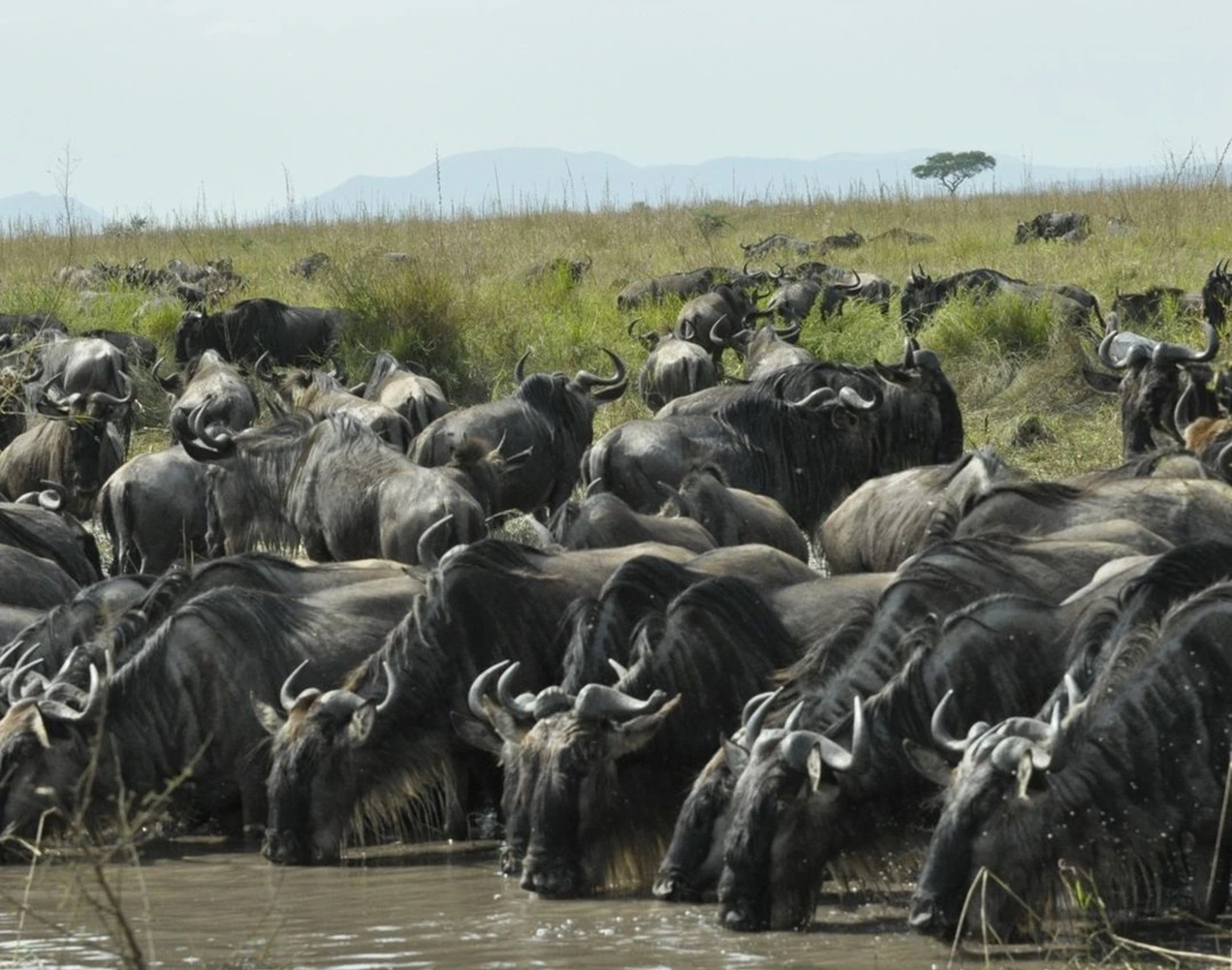
Best Months for Viewing the Wildebeest Migration
The optimal period to witness the Wildebeest Migration in the Masai Mara is from late July to October.
This window coincides with the dry season. This simplifies logistics and concentrates wildlife around remaining water sources.
August and September are the peak months. They offer the highest probability of observing large-scale river crossings.
Wildebeest Migration Timeline: Monthly Events in the Masai Mara
The migration's presence in the Masai Mara follows a predictable schedule, though it can vary based on rainfall.
- July: The first large herds of wildebeest and zebra arrive from the Serengeti, crossing the Sand River and entering the southern part of the Masai Mara. River crossings of the main Mara River may begin towards the end of the month.
- August - September: This is the peak period. The main herds are spread across the Mara plains, and congregations at the Mara River are frequent. Multiple, large-scale crossings can occur daily at various points along the river. Predator activity is at its highest.
- October: The herds begin to exhaust the Mara's grazing lands. While significant populations remain, they start to mass in the south of the reserve in preparation for the return journey to the Serengeti as the short rains begin.
Specific Mara River Crossing Points
The crossing of the Mara River is the most documented and perilous event of the migration's Kenyan phase.
Herds numbering in the thousands gather on the banks before attempting to cross the crocodile-infested waters.
Key crossing points include the Talek River confluence, the Kichwa Tembo area, Serena, and several points near the Tanzanian border known as the "Main" or "Lookout" crossings.
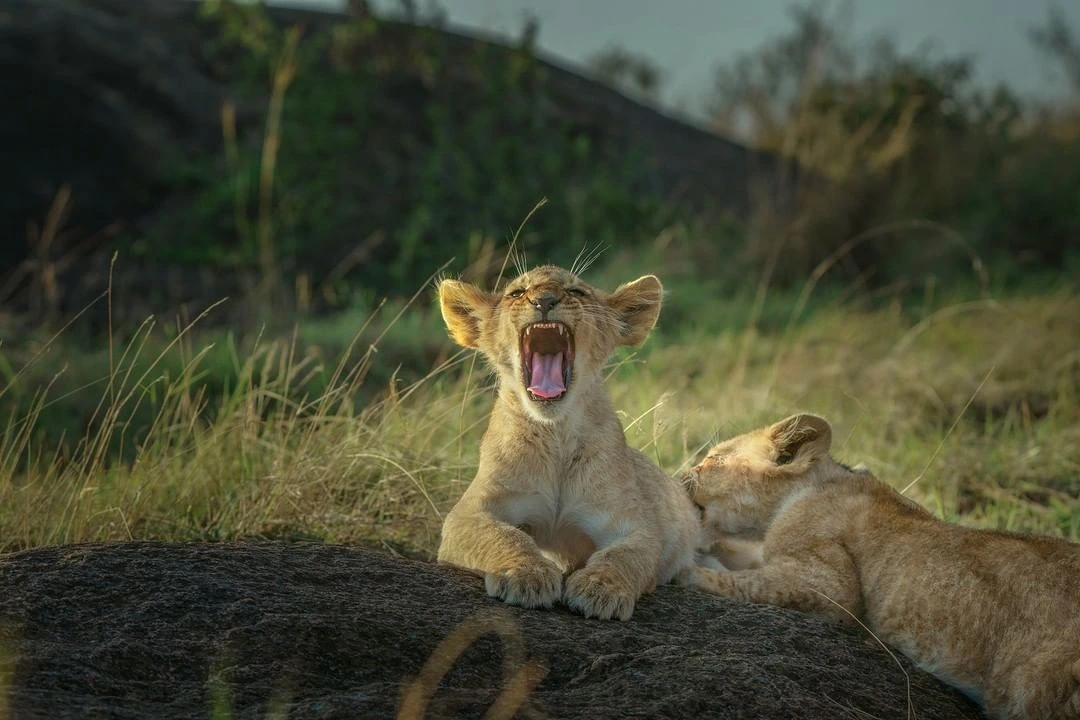
Predator Ambush Points Along Riverbanks
The steep, eroded banks and dense riverine vegetation of the Mara River create strategic ambush points for predators.
Nile crocodiles, some of the largest in Africa, lie in wait within the river.
On the banks, prides of lions and clans of spotted hyenas patrol the crossing points. They capitalise on the chaos to single out weak or injured animals.
The topography of each crossing point directly influences the survival rate of the migrating herds.
Safari Experiences Beyond the Peak Migration Season
River crossings are a primary focus. However, the migration period offers a wide range of safari experiences.
The sheer density of wildlife throughout the reserve provides continuous action. This ranges from large-scale herd movements across the plains to the constant drama of predator hunts.
Early Season Wildebeest Sightings in the Masai Mara
Depending on annual rainfall patterns, the first herds can arrive as early as June.
Visiting during this period offers a less-crowded experience. Guests still witness a significant build-up of animals in the southern Mara.
It provides a different perspective on the initial stages of the migration's arrival into Kenya.
Hot Air Balloon Safaris for Migration Views
A hot air balloon safari provides an unparalleled perspective of the migration.
Launched at dawn, the balloon drifts silently over the plains. It reveals the immense scale of the herds, their movement patterns, and the vastness of the Mara ecosystem.
This activity provides unique photographic opportunities and a comprehensive overview of the landscape.
Cultural Visits to the Maasai Community
The Masai Mara is the ancestral land of the Maasai people.
Organised visits to local Maasai villages (manyattas) provide factual insight into their semi-nomadic pastoralist lifestyle, social structure, and deep connection to the wildlife and land.
These interactions provide a crucial cultural context to the safari experience.
Exploring Maasai Conservancies Adjoining the Masai Mara
The Masai Mara National Reserve is bordered by several private Maasai Conservancies.
Maasai communities own these areas. They lease them to safari operators, creating a buffer zone for wildlife. This offers exclusive, low-density tourism models.
The migration uses these conservancies as dispersal areas, extending viewing opportunities beyond the main reserve.
Mara North, Olare Motorogi and Naboisho Conservancies
Conservancies such as Mara North, Olare Motorogi, and Naboisho are critical to the greater Mara ecosystem.
They provide activities not permitted within the national reserve. These include night game drives, guided bush walks, and off-road driving for specific sightings.
This provides a more varied and intimate safari experience with significantly lower vehicle traffic compared to the main reserve during peak season.
Planning Your Great Wildebeest Migration Safari
Logistical planning is essential for a successful migration safari.
This includes transport, accommodation, park fees, and entry requirements. All these aspects require arrangement well in advance due to high demand during the peak season from July to October.
Transport to the Masai Mara
Access to the Masai Mara is efficient via both air and road.
The primary modes of transport are scheduled light-aircraft flights or private road transfers from Nairobi.
Flights, Road Travel, and Local Transfers
- Flights: Daily scheduled flights depart from Wilson Airport (WIL) in Nairobi to various airstrips within the Masai Mara, such as Keekorok, Ol Kiombo, Musiara, and Angama. The flight duration is approximately 45-60 minutes.
- Road: The journey from Nairobi to the Masai Mara takes 5-6 hours. The main route to the Sekenani Gate now has tarmac. This provides significantly smoother and more reliable road access than in previous years. 4x4 vehicles are mandatory for game drives within the reserve.
Masai Mara Park Fees for 2026
Narok County Government manages the Masai Mara National Reserve. Its fees are essential for conservation and community support.
For 2026, the implemented KWS Premium Park rates structure applies, requiring pre-payment.
Confirmation of the latest fee structure with your tour operator is critical.
| Category | Peak Season (July-Dec) | Low Season (Jan-June) |
| Non-Resident Adult (Inside Park) | USD 200 per 24 hours | USD 100 per 24 hours |
| Non-Resident Child | USD 50 per 24 hours | USD 50 per 24 hours |
| Vehicle Entry (Safari Vehicle) | KES 1,200 per day | KES 1,200 per day |
Kenya Electronic Travel Authorisation (eTA) Requirements
As of 2024, Kenya has replaced its visa system with the Electronic Travel Authorisation (eTA).
All foreign nationals, except for specific exempt countries, must apply for an eTA online prior to travel.
The standard processing time is approximately 72 hours. This is a mandatory requirement for boarding flights to Kenya.
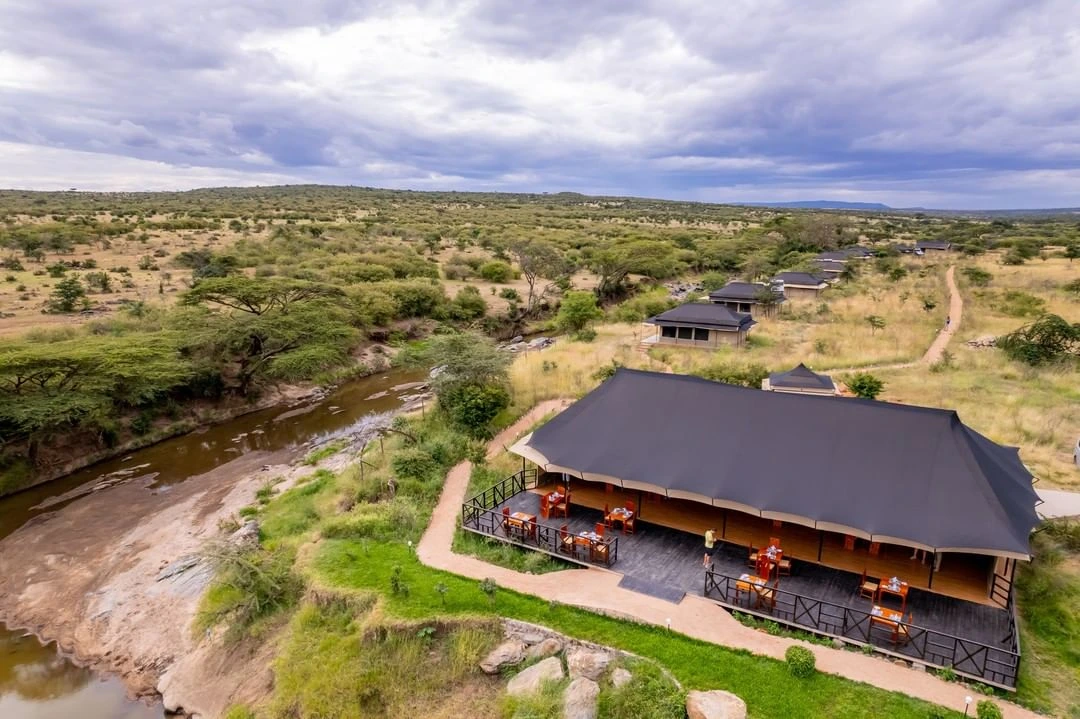
Accommodation Options for Wildebeest Migration Viewing
Accommodation choice significantly affects a migration safari.
Options range from luxury lodges to mobile tented camps. Location is the primary factor for optimal viewing.
Staying inside the National Reserve or in a bordering conservancy provides immediate access to wildlife areas.
Camps and Lodges with Strategic Locations
Camps and lodges situated along the Mara River or in the central plains provide prime locations for witnessing river crossings and herd movements.
Mobile camps are designed to relocate based on the herds' positions. This ensures guests are consistently in high-action areas.
Booking accommodation 9-12 months in advance is standard procedure for the peak migration season.

Current Infrastructure Updates for Masai Mara Access
Significant infrastructure improvements enhance access to the Masai Mara.
The full tarmacking of the road from Narok to the Sekenani Gate reduces travel time and improves comfort for road transfers.
The internal road network of the reserve consists of dirt tracks.
During the long rains (March-May), these roads can become impassable, particularly those in black cotton soil areas. This is a key logistical consideration for travel during the wet season.
Packing Essentials for the Migration Season
Layered clothing is essential.
The dry season (July-October) features cool early mornings and evenings, with warm to hot daytime temperatures.
A fleece or warm jacket is required for early morning and night game drives.
By midday, lightweight clothing such as cotton shirts and trousers is suitable.
Essential items include neutral-coloured clothing, a wide-brimmed hat, sunglasses, high-SPF sunscreen, insect repellent, and binoculars.